When you think of Peru, Machu Picchu might be the first thing that pops into your head. But there’s so much more to see in this South American country. It’s full of hidden spots that show off its history and culture in unique ways. This article will take you on a journey to find these secret places in Cusco, away from the usual tourist paths.
Key Takeaways







- Discover the hidden gems of Cusco beyond the famous Machu Picchu
- Explore off-the-beaten-path experiences and authentic local encounters
- Uncover secret spots and lesser-known attractions in the Cusco region
- Experience the rich history, culture, and diverse landscapes of Cusco
- Go beyond the typical tourist trail and immerse yourself in the true essence of Cusco
Cusco’s Alluring Backdrop
Cusco was once the heart of the Inca Empire. It’s known for its deep history and lively culture. The city’s historic center is a UNESCO World Heritage site. It beautifully mixes Inca and Spanish styles, with ancient Inca stones and beautiful cathedrals.
Captivating History and Culture
Cusco’s story goes way back, showing off the Inca culture’s rich heritage. You can see the famous Sacsayhuaman fortress, with huge stones that weigh up to 200 tons. The city is full of detailed stone carvings and buildings, proving the Incas’ skill in engineering and art.
Awe-Inspiring Architecture and Landscapes
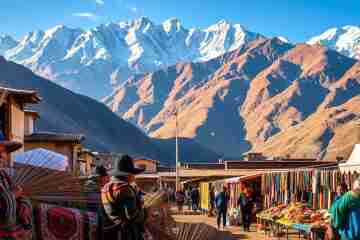
Outside the city, Cusco’s nature is just as amazing. You can see tall snow mountains like Mount Salkantay, perfect for hiking. There are also green cloud forests and colorful mountains like the Palccoyo range, showing off the area’s beauty.
Visiting Cusco means exploring ancient ruins, admiring colonial buildings, or enjoying the Andes’ beauty. Its history, culture, and nature will surely impress everyone who goes there.
Tipon: An Incan Engineering Marvel
The Tipon archaeological site is in the Cusco region. It shows the Inca civilization’s amazing engineering skills. Built about 500 years ago, it has big agricultural terraces and a detailed irrigation system. These systems still work today, proving the Inca’s skill in water technology.
Expansive Agricultural Terraces
The site has many terraces built into the hillsides. These show the Inca’s skill in changing the land and their deep knowledge of farming. These terraces go from 10,700 to 13,000 feet high. They let the Inca grow many crops, using the area’s different climates.
Intricate Irrigation System
Tipon’s water system is a wonder of Inca engineering. It uses water with great precision. The system has stone channels and aqueducts up to 60 meters long and 4.6 meters high. These still work today, showing the Inca’s deep knowledge of water.
This network of waterways helped with farming and was also very important to the Inca. Water was very sacred to them. The Tipon site shows the Inca’s engineering skills and how they adapted to the Andean terrain. It still amazes visitors today, showing the amazing achievements of the Inca empire.
Q’eswachaka: The Last Incan Rope Bridge
In the heart of Peru’s Cusco region, the Q’eswachaka Inca bridge is a wonder. It’s 118 feet long and made from local ichu grass. It crosses the Apurimac River, linking remote Andean communities and keeping a tradition alive.
Every June, the Quechua-speaking communities come together to fix the bridge. They use the same methods as their ancestors to replace old ropes and strengthen the bridge. This keeps the bridge safe for another year.
- The Q’eswachaka Inca bridge is the last traditional Incan suspension bridge left.
- Walking across the Q’eswachaka is an exciting adventure. It lets you feel close to Cusco’s culture and the strength of its people.
- The yearly ceremony to build the bridge shows off Incan engineering and the traditions of the Cusco area.
| Key Facts about the Q’eswachaka Inca Bridge | Details |
|---|---|
| Length | 118 feet (36 meters) |
| Material | Woven from local ichu grass |
| Location | Spanning the Apurimac River in Cusco, Peru |
| Maintenance | Annually renewed by local Quechua-speaking communities |
| Cultural Significance | A symbol of Incan engineering and the preservation of traditional customs |
The Q’eswachaka Inca bridge lets visitors experience the Incan legacy up close. It’s a mix of adventure and connecting with Cusco’s culture. Whether you cross it or watch the renewal ceremony, it’s a must-see for travelers wanting to explore Cusco’s hidden spots.
“Crossing the Q’eswachaka is a truly unforgettable experience, allowing you to step back in time and connect with the ancient Incan traditions that are still alive today.”
Choquequirao: The Hidden Citadel
For those who love adventure, the trek to Choquequirao is a dream come true. It’s like the twin of Machu Picchu, but much less crowded. This hidden Inca site is still mostly undiscovered, making it even more special.
Only a few people visit Choquequirao each day. This means you get to feel like you’re discovering a secret place. It’s a chance to see ancient ruins without the usual tourist crowds.
Trekking Through Breathtaking Landscapes
The journey to Choquequirao takes you through stunning scenery. You’ll go down 1,500 meters and then climb back up 1,800 meters. Along the way, you’ll see amazing mountains, greenery, and waterfalls.
This trek is harder than the Inca Trail, but it’s worth it. It’s a real Cusco adventure travel experience.
Partially Uncovered Incan Splendor
Only about 30-40% of Choquequirao Inca site has been uncovered. This means you get to explore a place that’s still full of secrets. The site is huge, covering 18 square kilometers, with lots of terraces, temples, and plazas.
It shows how advanced the Incas were in engineering and architecture. Choquequirao is one of Cusco’s hidden archaeological sites. It’s a unique off-the-beaten-path experience for those who dare to try the tough trek.
“The trek to Choquequirao is considered twice as difficult as the Inca Trail to Machu Picchu, making it a true Cusco adventure travel experience.”

Wiñay Wayna: The Lesser-Known Jewel of the Inca Trail
The famous Cusco Inca Trail to Machu Picchu is a favorite among adventurers. But there’s a secret spot along the way – Wiñay Wayna. It’s a hidden treasure that shows us the ancient Inca’s farming and religious ways.
Hidden Gem Along the Cusco Inca Trail
Wiñay Wayna means “forever young” in Quechua. It’s a showcase of Inca engineering skill. The site has upper and lower parts with many terraces, fountains, and places for ceremonies. It feels like stepping back in time, surrounded by history and beauty.
Glimpse into Ancient Cusco Inca Agricultural and Religious Practices
Wiñay Wayna lets us peek into the Incas’ smart farming and religious life. The terraces show how the Incas used the land well. Ceremonial centers and structures tell us about their spiritual and cultural life.
Visitors are amazed by the hard work that went into building Wiñay Wayna. The stunning nature around it makes it even more special. This hidden spot on the Cusco Inca Trail shows the Inca’s strength and creativity, giving travelers a unique experience.
“Wiñay Wayna is a hidden gem that transports visitors back in time, offering a captivating glimpse into the agricultural and religious practices of the ancient Incas.”
hidden gems of Cusco
Go beyond the famous spots in Cusco to find hidden treasures that show you the real culture. Leave the tourist paths to see places few know about. You’ll find archaeological sites, lively markets, and meet local communities. These spots let you feel the heart of Cusco, showing you its history and today’s traditions.
Off-the-Beaten-Path Experiences
Find Cusco’s hidden gems with these special experiences:
- Hike to the stunning Balcón del Diablo (Devil’s Balcony) for breathtaking views of the city.
- Explore the ancient agricultural center of Huchuy Qosqo, located at an impressive 3,650 meters above sea level.
- Witness the mesmerizing sunrise illusion at the Tres Cruces Natural Viewpoint in Paucartambo, where the sun appears to create the impression of three suns during the winter solstice.
- Discover the mysterious Waqrapukara, an archaeological site perched at 4,300 meters in the Apurimac canyon, with ongoing debates about its purpose as a fortress, sanctuary, or astronomical observatory.
Authentic Local Encounters
Immerse yourself in Cusco’s vibrant local culture through these authentic experiences:
- Participate in a two-hour chocolate-making workshop at the ChocoMuseo and craft your own artisanal chocolate bar.
- Venture to the Museo de la Coca to learn about the history and benefits of the coca leaf, an integral part of Andean culture.
- Indulge in the local delicacy of Cuy (guinea pig) and explore the unique fusion of flavors and traditions in Cusco’s vibrant culinary scene.
- Engage with indigenous communities through activities like clay healing, coffee and chocolate tours, and traditional farming practices like potato planting.
By embracing Cusco’s hidden gems and authentic local encounters, you’ll unlock a deeper understanding and appreciation for this captivating Peruvian city, where the past and present seamlessly intertwine.

Cusco’s Vibrant Culinary Scene
Cusco’s food scene is a mix of flavors and traditions from the Andes. It combines the classic dishes of the Inca Empire with new twists. You can enjoy the rich tastes of ceviche and lomo saltado, or try dishes that mix Incan and Spanish flavors. Exploring Cusco’s food is a great way to learn about the city’s culture.
Fusion of Flavors and Traditions
Cusco’s food shows the mix of Incan and Spanish tastes, telling the story of the area’s history and ingredients. You can try cuy (guinea pig) or alpaca steak for a unique taste. Visit the San Pedro Market for local flavors and crafts, or eat at La Chomba to taste the real Cusco.
| Cusco Culinary Experience | Description | Popularity |
|---|---|---|
| Cuy (Guinea Pig) | A delicacy in the Andes region, with a significant percentage of tourists engaged in trying this dish. | High |
| San Pedro Market | A bustling hub of local flavors and handmade crafts, with a high influx of visitors due to its vibrant atmosphere. | High |
| La Chomba Restaurant | A traditional restaurant in Cusco that enjoys frequent visits from locals, reflecting its popularity within the community. | High |
Cusco’s food experiences and fusion cuisine blend old traditions with new tastes. They invite visitors to taste the heart of the Andes.
Outdoor Adventures in Cusco
The Cusco region in Peru is a dream spot for outdoor lovers. It has stunning landscapes, a rich culture, and lots of activities. You can enjoy Cusco outdoor activities, Cusco trekking and hiking, Cusco adventure travel, and Cusco adrenaline sports here.
Trekking and Hiking Opportunities
Cusco is famous for its amazing trekking and hiking. You can choose from long treks or day hikes. The Inca Trail to Machu Picchu is a top pick for those who love adventure. Or, try the Salkantay Trek or visit the hidden citadel of Choquequirao for a quieter experience.
Adrenaline-Fueled Activities
For a rush of adrenaline, Cusco has lots to offer. You can cycle the famous “Death Road” for an exciting ride with amazing views. Rock climbing, paragliding, and whitewater rafting are also great ways to challenge yourself and enjoy the beauty of the area.
| Activity | Duration | Difficulty Level |
|---|---|---|
| Inca Trail to Machu Picchu | 2-4 days | Moderate to Challenging |
| Salkantay Trek | 5-7 days | Challenging |
| Choquequirao Trek | 4-6 days | Difficult |
| Cycling the “Death Road” | 1 day | Extreme |
| Rock Climbing | Half day to full day | Moderate to Advanced |
| Whitewater Rafting | Half day to full day | Beginner to Advanced |
Cusco has something for everyone, from tough treks to exciting adventures. It’s a great place for outdoor lovers. Get ready for an amazing time in this beautiful part of Peru.
Artisanal Crafts and Markets
Cusco’s culture shines in its artisanal craft scene and lively local markets. Visitors can dive into the area’s artistic traditions by checking out colorful stalls and workshops. These places offer a wide range of handmade items, like textiles, ceramics, jewelry, and woodcarvings. These unique souvenirs and local handicrafts let travelers take a piece of Cusco’s culture home.
Explore Cusco’s Artisanal Treasures
Cusco’s craft scene shows the region’s deep traditions and its effort to keep its culture alive. The Centro de Textiles Tradicionales del Cusco has been key in bringing back traditional textiles since the 1970s. They use handspun yarn and natural fibers like alpaca and llama wool. Visitors can see how textiles are made and buy these Cusco artisanal crafts as special souvenirs.
There’s more to see in Cusco’s local markets than just textiles. The craft market of Pisac is a lively spot, known for its Sunday craft fairs. In San Blas and along El Sol Avenue, you’ll find everything from silver jewelry to wood carvings and Andean-inspired pottery.
Looking for Cusco souvenirs and local handicrafts? You’ll find plenty. Alpaca wool items like scarves and sweaters are a must. Shops like Kuna and Sol Alpaca focus on sustainable and community-driven practices. Antique stores and flea markets have unique items, from religious artifacts to colonial jewelry, showing Cusco’s rich history.
Whether you’re at the San Pedro Market, checking out workshops in the San Blas neighborhood, or finding hidden spots in the Sacred Valley, Cusco’s artisanal crafts and markets offer an immersive and memorable experience for all visitors.
Festivals and Cultural Events
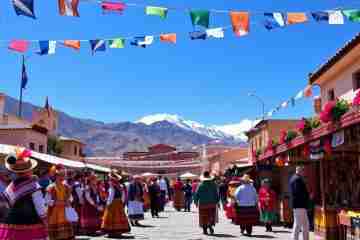
Cusco’s vibrant culture is celebrated with many Cusco festivals and Cusco cultural events. These events highlight the region’s Cusco indigenous customs and traditions. Visitors can enjoy the grand Inca festival, Inti Raymi, and other lively celebrations like Corpus Christi and the Day of the Dead.
These Cusco traditional celebrations let you see the spirit of Cusco’s indigenous communities. They offer a deeper look into the city’s timeless traditions. Events like the Fiesta de la Candelaria in Puno and the Cusco International Beer Festival draw locals and tourists alike.
The Inti Raymi festival in late June is a big event in Cusco and Peru. It brings tens of thousands of visitors to celebrate the Festival of the Sun. The Virgen del Carmen festival in July is another highlight, featuring vibrant dances and music for three days.
Peruvian Independence Day on July 28th is a big holiday with parades and parties. Cusco celebrates it with great enthusiasm. The Andean New Year on August 1st, or Dia de la Pachamama, is also significant. It’s when people make offerings to Mother Earth, starting the Andean calendar year.
The Lord of Huanca festival on September 14th in Cusco is a major event. Thousands come from Peru and other countries for a week-long pilgrimage. Semana Turística del Cusco in October showcases the region’s tourist spots and best offerings for a month.
The Feast of the Immaculate Conception on December 8th in Cusco features parades and festivities. Christmas in Cusco is also a big deal, ending with the Santikuraray market on Christmas Eve in Plaza de Armas.
These Cusco festivals and Cusco cultural events keep the region’s heritage alive. They give visitors a peek into the vibrant traditions and customs of the area. By joining in, travelers can connect deeply with Cusco’s heart and soul.
Conclusion
Cusco’s hidden gems let travelers see the true heart of this amazing place. By going off the beaten path, you can learn about the area’s history, see beautiful landscapes, and experience its culture deeply. This way, you connect more with Peru’s soul.
Visitors can enjoy trekking to hidden sites, trying local foods, or joining in on festivals. Those who look for these hidden spots will make memories that last forever. They’ll gain a deep respect for the Andes’ spirit.
When planning your trip, think about exploring Cusco’s hidden gems. They’re waiting for you to discover the unique beauty that makes this place special. Start your journey of discovery and let Cusco’s secret spots touch your heart and mind deeply.