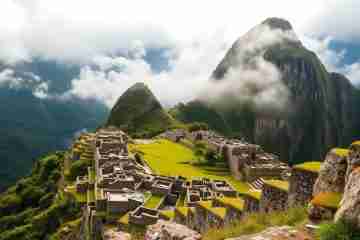
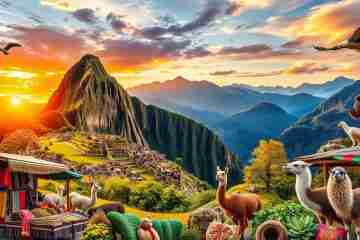
The Sacred Valley of the Incas is a stunning area between Cusco and Machu Picchu. It’s known for its amazing views, ancient ruins, and lively markets. This place is a key to Machu Picchu and helps you get used to the high altitude slowly.
Here, you can dive into the valley’s deep culture and stunning nature. You’ll find hidden treasures that most tourists miss.
In Pisac, you’ll find a bustling market and Inca ruins. Ollantaytambo is another must-see, with its well-kept Inca sites. Each place gives you a special look into the Inca’s rich history.
But there’s more. Off the main paths, you can find secret spots and hidden Inca trails. These places will amaze you and make you feel adventurous.
Key Takeaways
- The Sacred Valley of the Incas offers a gateway to Machu Picchu with a gradual acclimatization to the high altitude.
- Explore charming towns like Pisac and Ollantaytambo, each with unique cultural and historical significance.
- Discover hidden gems, secret spots, and lesser-known Inca paths that go beyond the typical tourist trail.
- Immerse yourself in the region’s rich cultural heritage and natural beauty, unveiling the Inca’s profound legacy.
- Embark on a journey of adventure and exploration in the Sacred Valley to uncover its hidden wonders.
Beyond the Tourist Trail: A Gateway to Ancient Wonders
The Sacred Valley of Peru is a hidden gem in the Andes. It offers a peek into Peru’s rich Incan heritage. This area, often overshadowed by Machu Picchu, is full of ancient wonders for the adventurous traveler.
Understanding the Sacred Valley’s Geography
The Sacred Valley has a diverse landscape. It includes the Vilcabamba Valley, the “Last Refuge of the Incas.” Also, the ancient town of Ollantaytambo shows Incan urban planning at its best. Exploring these lesser-known areas of Machu Picchu and unexplored corners of Machu Picchu lets visitors dive into the area’s rich history and culture.
Best Time to Visit Hidden Locations
The best time to see the Sacred Valley’s hidden gems is from May to October. This time has good weather and fewer people. It makes traveling easier and more peaceful.
Altitude Considerations for Travelers
Visiting the Sacred Valley’s high-altitude landscapes needs careful planning. Its lower elevation is great for acclimatizing before Machu Picchu. Acclimatizing well can make your trip better and safer.
“The Sacred Valley offers a unique blend of Andean landscapes and Incan history, making it a gateway to ancient wonders that few have the privilege of exploring.”
The Sacred Valley’s Cultural Heart: Pisac and Ollantaytambo
The towns of Pisac and Ollantaytambo are in the Sacred Valley’s heart. They show the Inca Empire’s rich culture. Pisac’s market has handmade goods and Andean textiles. Ollantaytambo has impressive Incan terraces and structures.
Pisac sits at 2,900 meters and is a key tourist spot. It has a mild climate all year, with temperatures between 11 to 16 °C. You can see sites like Intihuatana and the Ajchapata Terraces. The Pisac Community Museum also has traditional ceramics and textiles.
Pisac is just 30 kilometers from Cusco, a 30-minute drive. It has three main routes to get there. The town’s market is lively, with local artisans selling their work every day. Undiscovered machu picchu sites are nearby, showing the area’s ancient history.
Ollantaytambo is known for its Incan terraces and structures. It has the Pinkuylluna ruins, old grain storehouses. The Choco Museum teaches about chocolate making. Awamaki, an organization supporting local weavers, is also based here.
Pisac and Ollantaytambo are great for those interested in markets, ruins, and local culture. They offer a unique look into the machu picchu hidden treasures of the Sacred Valley.
Hidden Gems of Machu Picchu: Secret Spots and Trails
Machu Picchu is a top spot for travelers in Peru. But, there’s more to see than the usual paths. Explore secret machu picchu locations and hidden ruins for a real adventure.
Putucusi Mountain: The Hidden Viewpoint
Putucusi Mountain is a peaceful spot near Machu Picchu. It has a tough hike but the views are worth it. You’ll see Machu Picchu from a new angle, surrounded by greenery and mountains.
Lesser-Known Inca Paths
The Inca Trail is famous, but there are other paths too. These paths are less crowded and show the Inca history and nature. They offer a unique way to see the area.
Unexplored Archaeological Sites
The Sacred Valley has many sites not many visit. Choquequirao, called the “sister city” of Machu Picchu, is one. It shows the Inca’s grandeur and lets you feel history up close.
“The true journey of discovery consists not in seeking new landscapes, but in having new eyes.” – Marcel Proust
Exploring these hidden spots lets you dive into Machu Picchu’s history and beauty. It’s a chance to really understand this amazing place.
Ancient Agricultural Marvels: Moray and Maras Salt Mines
In the Sacred Valley, near Machu Picchu, are two Incan sites. Moray and the Maras Salt Mines show the Inca’s skill in farming. These sites are often missed by visitors but show the Inca’s amazing engineering and love for the land.
Moray was once a place for farming experiments. It has circular terraces that helped the Inca grow many crops. This helped them learn more about farming.
The Maras Salt Mines are another ancient wonder. They have over 3,000 small pools. The salt from here is famous for its minerals and is used in Peruvian food and wellness.
At Maras, salt is harvested by scraping it off the pools. This tradition shows the Inca’s way of working together. It also shows how the Andean people have kept their traditions alive.
Visiting Moray and Maras lets you see the machu picchu hidden wonders. You can learn about the Inca’s farming and engineering skills. Walking through Moray’s terraces or seeing the salt harvesting at Maras is truly amazing.

“The Maras Salt Mines are a true testament to the enduring spirit of the Andean people, where ancient traditions and modern life intertwine in a beautiful harmony.”
Traditional Village Life: Media Luna and Calca
Explore the Sacred Valley of the Incas and find the villages of Media Luna and Calca. These places let you dive into the area’s rich culture. They are hidden spots that many miss.
Local Markets and Authentic Experiences
In Media Luna, you can see the Salineras, or salt mines. Here, local salt farmers show you how they harvest salt the old way. You can even join in on cultural shows that highlight Andean ingenuity.
The town of Calca is close by. It’s a great place to start your journey. The daily market is full of life, where you can meet locals and see their crafts and food.
Indigenous Crafts and Traditions
At the Apulaya Center in Calca, you can learn about Andean music, weaving, and language. Skilled artisans teach you, helping you understand the traditions that have been kept alive for generations.
Community Tourism Initiatives
Visiting these machu picchu off the beaten path villages helps preserve local culture and supports sustainable growth. Your visit lets you see the real charm of the Sacred Valley. It also helps the communities share their heritage and find economic success.
Cultural Treasures: Awana Kancha and Inkary Museum
In the lesser-known areas of Machu Picchu and the unexplored corners of the Sacred Valley, two cultural gems shine. Awana Kancha is a camelid center and museum. It shows how humans and camelids lived together in ancient times.
At Awana Kancha, you can see how people used to dye, spin, and weave. Skilled artisans show these old skills. It’s a chance to learn about the special bond between Andean people and their camelid friends, lasting over 5,000 years.
The Inkary Museum in Calca is another must-see. It takes you back in time with life-size dioramas of eight pre-Incan cultures. This journey through history spans over 4,000 years. You’ll see how these ancient civilizations lived, worked, and played.

These cultural treasures celebrate the Andean people’s spirit. They invite you to explore the hidden gems of the Sacred Valley. It’s a journey that rewards with deep cultural insights and unforgettable experiences.
Sacred Valley’s Hidden Hiking Trails
The Sacred Valley of Peru has many hidden hiking trails. These trails show the region’s ancient wonders and beautiful landscapes. They offer a real look into the Andes’ heart.
Off-the-Beaten-Path Routes
The Lares Trek is a must-do in the Sacred Valley. It’s a less crowded path than the Inca Trail. This trail goes through Andean communities, letting hikers see local culture and daily life.
Another gem is the hike to Humantay Lake. This turquoise lake is surrounded by Andean peaks.
Mountain Viewpoints and Vistas
The hike to Rainbow Mountain is breathtaking. It shows the Andes with its colorful stripes. Putucusi Mountain also offers a unique view of Machu Picchu.
Local Guide Recommendations
Exploring the Sacred Valley’s trails is best with local guides. They share insights on history, culture, and ecology. They also help find sites and trails hard to reach alone.
By working with local communities, visitors support sustainable tourism. They learn about the machu picchu hidden treasures and undiscovered machu picchu sites in this amazing area.
Authentic Culinary Experiences and Local Markets
Step into the vibrant heart of the Sacred Valley for a culinary adventure. The local markets show off the authentic flavors of Andean cuisine. Secret Machu Picchu locations and hidden ruins add to the gastronomic exploration.
The Pisac Market, near Machu Picchu, is famous for its local produce and traditional Peruvian foods. Visitors can enjoy the lively atmosphere and try the iconic chicha, a homemade beer. Local guides will take you to hidden spots and share food traditions, making your experience authentic.
Beyond Pisac, the Chinchero Market offers a unique glimpse into Andean highlands life. Artisans display their handcrafted textiles and goods. The Huancayo Sunday Market in the central highlands is a hub for farmers and craftspeople.
| Local Market | Unique Offerings | Recommended Experiences |
|---|---|---|
| Pisac Market | Diverse local produce, traditional foods, and chicha (homemade beer) | Taste authentic Andean cuisine with the guidance of local experts |
| Chinchero Market | Traditional Andean textiles and crafts directly from artisans | Immerse in the daily life and culture of the Andean highlands |
| Huancayo Sunday Market | Vibrant gathering of farmers and artisans from surrounding rural areas | Discover the rich agricultural heritage and artisanal traditions of the region |
The Sacred Valley’s local markets, like Pisac, Chinchero, and Huancayo, reveal the heart of Andean culture. Explore secret Machu Picchu locations and hidden ruins. Enjoy the authentic flavors that make this region unique.
“The markets of the Sacred Valley are not just places to shop, but windows into the very fabric of Andean life.”
Sustainable Tourism and Cultural Preservation
Travelers on a quest to find the hidden gems of Machu Picchu and the Sacred Valley must think about sustainable tourism. It’s key to preserving the area’s rich culture. The local communities of the Sacred Valley have protected this ancient Inca land for a long time. Responsible tourism helps support their traditions and ways of life.
Supporting Local Communities
Groups like Awamaki help Quechua weavers make a living from their traditional crafts. This ensures these skills are kept alive for future generations. By buying local products and taking part in community tours, visitors help the Sacred Valley’s economy.
Responsible Travel Tips
- Respect local customs and traditions, which are the heart and soul of the Sacred Valley.
- Support community-based tourism initiatives that prioritize the involvement and empowerment of local people.
- Minimize your environmental impact by choosing eco-friendly accommodations, using public transportation, and properly disposing of waste.
Environmental Conservation Efforts
Keeping the unique ecosystems and sites of the Sacred Valley safe is a big goal. Efforts focus on protecting natural resources and ensuring the hidden wonders of Machu Picchu stay for the future. Visitors can help by following local rules, joining clean-up efforts, and supporting green practices.
By choosing sustainable tourism and cultural preservation, visitors can connect deeply with the Quechua people. They can learn a lot about their heritage and help protect this amazing place for the future.
“Sustainable tourism involves being conscious of how your travels affect the environment, local communities, and their cultures. It’s about finding a balance between exploration and preservation.”
Conclusion
Exploring the hidden gems near Machu Picchu is a unique chance to dive into Peru’s rich culture and stunning landscapes. You’ll find lesser-known sites, remote trails, and traditional villages. These places offer a glimpse into the region’s history, customs, and beauty.
By going beyond Machu Picchu, you can truly experience the Andes. You’ll see the Inca stonework, vibrant markets, and hidden viewpoints. These spots highlight the region’s cultural heritage and natural wonders.
For a real Peruvian adventure, exploring these hidden gems is a must. It’s a journey that lets you appreciate the Andes and the Inca civilization. You’ll leave with a deep connection to this amazing place.