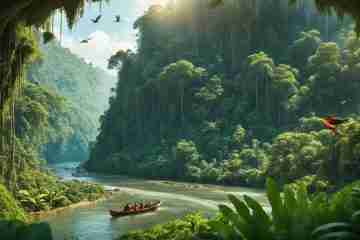
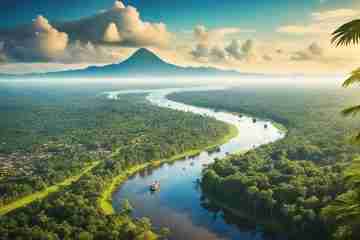
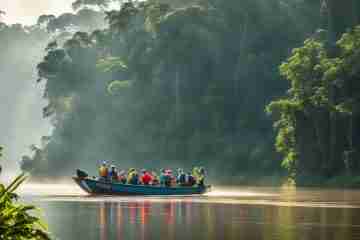
Deep in the Peruvian Amazon, Manu National Park is a hidden gem. It’s a place where ecotourism and nature come together. This UNESCO Biosphere Reserve covers 1,881,200 hectares. It’s known for its incredible variety of ecosystems, from high Andean puna to lowland tropical rainforests.
Manu is home to 2,000 to 5,000 plant species, including 250 tree types. It’s a wildlife paradise with over 1,000 vertebrates. You’ll find 200 mammals, 850 birds, 68 reptiles, and 77 amphibians. Plus, there are over 1,300 butterfly species.
Key Takeaways










- Manu National Park is a vast, pristine rainforest paradise in the Peruvian Amazon
- The park is home to an exceptional biodiversity, with over 2,000 plant species and 1,000 vertebrate species
- Manu is a UNESCO Biosphere Reserve, recognized for its outstanding natural wonders
- The park offers diverse ecosystems, from high Andean highlands to lowland tropical rainforests
- Manu National Park is a premier destination for ecotourism, nature exploration, and wildlife observation
Manu National Park: A Pristine Rainforest Paradise
Deep in Peru’s Amazon basin lies Manu National Park, a vast, isolated area. It ranges from the Andes to lush rainforests. This UNESCO World Heritage Site is perfect for nature lovers. It has a wide variety of habitats and species that amaze both researchers and visitors.
Overview of Manu National Park
Manu National Park covers 18,811 km², making it a vast wilderness. It includes the Manu River basin. The park’s landscapes, from cloud forests to Amazon plains, support a huge manu national park biodiversity. It has 2,000 to 5,000 plant species, 250 trees, and over 1,000 animals.
Manu National Park’s Biodiversity
The manu national park flora and fauna are amazing. The park has 200 mammals, like giant otters, jaguars, and Andean mountain cats. It’s a paradise for birdwatchers with over 850 bird species. The park also has 68 reptiles, 77 amphibians, and 1,300 butterfly species, making it a treasure for insects.
| Biodiversity Highlight | Number of Species |
|---|---|
| Plant Species | 2,000 to 5,000 |
| Tree Species | 250 |
| Mammal Species | 200 |
| Bird Species | 850 |
| Reptile Species | 68 |
| Amphibian Species | 77 |
| Butterfly Species | 1,300 |
Manu National Park’s manu national park biodiversity, manu national park flora and fauna, and manu national park ecosystems amaze people from all over the world. It’s a natural wonder worth exploring and protecting.
Uncovering the Rich History of Manu
Manu National Park has a fascinating history. It shows signs of pre-Columbian and Inca settlements. The Pusharo Petroglyphs, found by the Palotoa River, are 1,000 to 2,000 years old. They give us a peek into the lives of ancient cultures in this untouched rainforest.
Pre-Columbian and Inca Settlements
Before the Spanish arrived, Manu was alive with pre-Columbian cultures. You can still see Inca settlements in the park today. These people lived in the rainforest and were very resourceful. They had a deep bond with the land and its resources.
Colonial Explorations and Legends
In colonial times, stories of the lost city of Paititi sparked many expeditions. This city was said to be full of gold. Even though these searches often failed, they add to Manu’s fascinating history. Today, stories of brave explorers and hidden treasures still excite visitors.
Manu National Park’s story is full of ancient cultures, legendary quests, and the rainforest’s strength. From the Pusharo Petroglyphs to the mystery of Paititi, it shows us the past that shapes its beauty today.
Exploring the Diverse Landscapes of Manu
Manu National Park in Peru is a treasure trove of breathtaking natural landscapes. It showcases the remarkable diversity of this protected region. From the cloud-shrouded Andean highlands to the lush lowland rainforests of the Amazon, the park’s ecosystems are a testament to its incredible geological and biological richness.
Cloud Forests and Andean Highlands
Visitors to Manu National Park are treated to the mesmerizing beauty of the cloud forests as they ascend the eastern slopes of the Andes. This mist-enveloped ecosystem is a tapestry of verdant foliage, twisted tree trunks, and vibrant flora and fauna. The Andean highlands offer a dramatic landscape of rugged peaks, alpine meadows, and crystal-clear glacial lakes.
Lowland Rainforests and Riverine Ecosystems
Descending into the heart of the Amazon basin, Manu National Park unveils its lowland rainforests. This vast and lush expanse teems with life. The park’s major rivers, such as the Manu and Madre de Dios, wind through this primeval landscape, supporting a rich diversity of aquatic species.
These riverine ecosystems are the lifeblood of the region. They sustain the intricate web of life that has evolved within the world’s largest tropical wilderness. Manu National Park’s remarkable range of habitats, from the cloud-shrouded Andes to the lowland Amazon rainforests, makes it a true natural wonder.
It offers visitors a glimpse into the unparalleled biodiversity that thrives within its protected borders.
Manu National Park’s Wildlife Wonders
Manu National Park is in the heart of the Peruvian Amazon. It’s a paradise for those who love wildlife. This vast area is full of different species, attracting nature lovers and adventurers.
Here, you can find over 1,000 types of vertebrates. This includes 200 mammals and 850 birds. You might see giant otters, jaguars, pumas, and the rare Andean mountain cat. There are also many primates, reptiles, amphibians, and insects to discover.
Manu National Park is a key place for protecting endangered species. It’s a vital area for conservation. The park’s animals, both famous and not so well-known, will amaze and inspire everyone who visits.

| Wildlife Sightings | Probability of Observation |
|---|---|
| River Otters | High |
| Capybaras | High |
| Jaguarundis | Moderate |
| Bamboo Rats | Low |
| Monkeys (various species) | High |
| Birds (over 850 species) | Extremely High |
The park’s different habitats, like cloud forests and lowland rainforests, support its rich wildlife. You’ll see everything from colorful glass butterflies to powerful jaguars. The variety of life here shows the Amazon’s beauty and strength.
Manu National Park’s UNESCO Biosphere Reserve
Deep in the Amazonian rainforests of Peru lies Manu National Park. It’s known for its incredible natural beauty. In 1987, UNESCO named it a Biosphere Reserve. This honor shows its untouched ecosystems and the good relationship between locals and nature.
Conservation Efforts and Sustainable Tourism
Manu National Park is protected and has a strong plan to keep it safe. It supports sustainable tourism to balance nature protection with helping local communities. Visitors can enjoy activities like guided hikes and birdwatching. These activities help protect the park for the future.
- Manu National Park is a UNESCO Biosphere Reserve since 1977, covering an area of 1,881,200 hectares.
- The Biosphere Reserve includes the Manu Reserved Zone and the Manu Cultural Zone. Each has its own features and ways to protect them.
- Tours to the Reserved Zone of Manu usually last 5 to 8 days. They let visitors see many animals, like jaguars and giant river otters.
- The Cultural Zone in Manu National Park helps reduce human impact. It also supports the local indigenous communities.
Manu National Park shows how to protect the environment and help communities. This UNESCO Biosphere Reserve is proof of the strength of Peru’s Amazonian ecosystem.
Encountering Indigenous Cultures of Manu
Manu National Park is a place full of cultural diversity. It’s home to indigenous Amazonian communities who have lived here for centuries. Visitors can dive into their traditional ways of life, customs, and deep bond with the land. This is thanks to the Matsigenka and Huachipaeris peoples.
The Matsigenka and Huachipaeris Communities
The Matsigenka and Huachipaeris live in the Manu region. They offer a unique chance for travelers to see their cultural traditions. This includes their beautiful crafts, vibrant textiles, and traditional hunting and gathering.
By meeting these communities, visitors can deeply appreciate their connection to the Manu rainforests. This connection has lasted for centuries.
Uncontacted Tribes and Voluntary Isolation
Manu National Park is also home to uncontacted tribes. These tribes have chosen to stay away from the outside world. It’s important to respect their privacy and not to contact them directly.
These uncontacted communities are a mystery to us. But their existence shows how vital it is to protect the Manu region’s culture and nature.
| Indigenous Community | Population | Key Characteristics |
|---|---|---|
| Matsigenka | Approximately 10,000 | Known for their intricate textile weaving, hunting, and gathering practices |
| Huachipaeris | Around 500 | Highly skilled in traditional medicine and plant knowledge |
| Uncontacted Tribes | Exact numbers unknown | Maintain voluntary isolation from the outside world |
Manu National Park’s indigenous communities show the strength and adaptability of humans. They give visitors a peek into traditions and deep connections that have lasted for generations. By respecting and preserving their way of life, we help protect Manu’s culture and nature.

Breathtaking Natural Phenomena in Manu
In the heart of Manu National Park, Peru, there’s a stunning sight called the “Tres Cruces” sunrise. This happens during the dry season. The sun’s rays and clouds mix, making it seem like three suns form a cross.
From the Tres Cruces lookout, this amazing scene is visible. It’s a top spot for visitors to Manu National Park. The sun’s light moves over the clouds, creating a magical glow. It turns the landscape into a dreamlike scene.
The Tres Cruces Sunrise Spectacle
Manu National Park is full of life and beauty, and the Tres Cruces sunrise is a highlight. Those who see it are amazed. They can’t believe the park’s ability to surprise and enchant.
“The Tres Cruces sunrise is a truly mesmerizing experience, a testament to the beauty and wonder of Manu National Park. It’s a moment of pure magic that leaves a lasting impression on all who witness it.”
If you love nature, photography, or just being amazed, don’t miss the Tres Cruces sunrise in Manu National Park. It’s a unique experience that shows the park’s lasting beauty. It’s a sight that inspires and captivates people from all over the world.
manu national park peru tourism
Deep in the Peruvian Amazon, Manu National Park is a top spot for manu national park peru tourism. It’s a vast, protected rainforest paradise. Here, visitors can dive into one of the world’s most diverse ecosystems. With over 15,000 plant species and more than 1,000 bird species, it’s a true natural wonder.
Getting to this hidden gem takes some planning, but it’s worth it. Manu national park tours let you see different landscapes. From the Andes’ cloud forests to the lowland rainforests and rivers. You’ll see everything from colorful macaws to jaguars.
For a real and green manu national park lodges experience, the park has eco-lodges and tours that focus on conservation and community. These places and tours help visitors connect with the Matsigenka and Huachipaeris communities. You’ll learn about their traditional life.
“Manu National Park is a rare gem in the Peruvian Amazon, offering a truly immersive and transformative experience for nature enthusiasts and eco-tourists alike.”
If you love wildlife, birdwatching, or cultural trips, Manu National Park is unforgettable. It’s a place where you can deeply connect with nature. Thanks to its protected status and managed access, it shows how conservation and eco-tourism can protect nature’s beauty.
Eco-Adventures in Manu National Park
Manu National Park is a dream spot for those who love nature. It offers many ways to explore its varied landscapes and ecosystems. You can enjoy thrilling manu national park hiking trails or amazing manu national park birdwatching experiences. This park takes you deep into the Peruvian Amazon.
Hiking and Birdwatching Opportunities
Put on your hiking boots for an adventure in manu national park. You’ll walk through cloud forests and lowland rainforests. Watch for the park’s amazing birds, as it has over 850 species. With expert guides, you might see colorful macaws or the rare harpy eagle.
Canopy Tours and River Excursions
For a special view of the park, try a canopy tour. These tours take you high into the trees. You can see the rainforest’s rich life from above. Or, go on a manu national park river excursions to see animals like giant otters and caimans in the wild.
Manu National Park has adventures for everyone, from thrilling activities to peaceful nature walks. It’s a place that will leave a mark on you. Dive into the park’s beauty and make memories that will last a lifetime.
Getting to Manu National Park
Manu National Park is a gem in Peru, accessible from Cusco and Puerto Maldonado. Starting from Cusco or Puerto Maldonado, you’ll see amazing views as you move from the Andes to the Amazon. This journey is an adventure in itself.
Cusco Access Route
From Cusco, it’s a 280 km drive to Paucartambo, then through the Kosñipata Valley to the Manu River. This trip takes about 12 hours by car, showing the change from Andean highlands to Manu’s rainforests. You’ll see the Acjanaco Pass, at 3,560 meters high, along the way.
Puerto Maldonado Access Route
Travelers can also start from Puerto Maldonado, about 403 miles from the park. First, drive 140 km to Santa Rosa, then take a boat across the Inambari River. Finally, go upriver to Boca Manu, the park’s main entrance. This path takes up to 7 hours by motorboat, showing off different landscapes and ecosystems.
| Access Route | Distance | Travel Time |
|---|---|---|
| Cusco to Manu National Park | 280 km | Approximately 12 hours by car |
| Puerto Maldonado to Manu National Park | 403 miles | Up to 7 hours by motorboat |
Getting to Manu National Park is part of the adventure, no matter where you start. It lets visitors dive into the beauty of nature and experience the shift from the Andes to the Amazon.
Conclusion
Manu National Park is a true gem in Peru. It lets visitors dive into one of the world’s most diverse and untouched rainforests. With its amazing wildlife, varied landscapes, and cultural heritage, it shows the beauty of the Peruvian Amazon. A trip to Manu National Park is unforgettable and changes you.
Planning well and knowing a lot is key to enjoying Manu National Park fully. By avoiding crowded spots, choosing skilled guides, and bringing the right gear, your trip will be better. The best time to see wildlife is from May to September. The Madre de Dios route is great for those who love the river.
Choosing tours that focus on conservation helps protect this amazing place. Manu National Park shows off its beauty and teaches us about the need for sustainable tourism and caring for the environment. Visiting this place is an adventure that touches your heart and mind deeply.