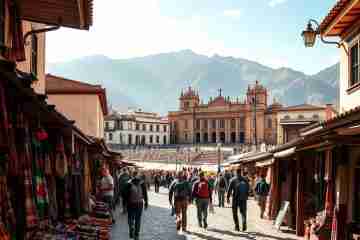
Peru’s landscape is a living museum of human achievement. From mist-shrouded mountain peaks to sunbaked coastal deserts, this South American nation holds remnants of civilizations that shaped history. Travelers seeking to connect with ancient ruins and vibrant culture will find endless opportunities to explore.
Machu Picchu often steals the spotlight, but countless lesser-known treasures await. These landmarks reveal stories of Inca engineering brilliance and pre-Incan societies that thrived for centuries. Each stone whispers secrets of sacred rituals, agricultural innovation, and artistic mastery.
This guide goes beyond typical itineraries. It blends historical context with modern travel insights, helping visitors appreciate how Andean geography influenced spiritual beliefs and architectural designs. Whether you’re drawn to iconic destinations or hidden valleys, practical tips will elevate your journey from ordinary to extraordinary.
Key Takeaways
- Peru offers diverse historical landmarks beyond world-famous locations
- Ancient engineering marvels reflect deep connections to sacred landscapes
- Pre-Incan civilizations left enduring cultural and architectural legacies
- Strategic planning enhances access to remote or less crowded areas
- Local guides provide invaluable context for deeper understanding
- Luxury accommodations exist near major heritage locations
Introduction to Peru’s Timeless Ruins
Beneath Peru’s rugged terrain lies a mosaic of cultures spanning millennia. These remnants reveal how societies adapted to harsh climates and sacred landscapes. From coastal adobe complexes to mountain citadels, each archaeological site serves as a chapter in humanity’s shared story.
Setting the Stage for an Ancient Journey
Long before Spanish conquests, civilizations like the Chavín and Moche shaped Peru’s cultural identity. Their terraced farms and ceremonial centers still influence modern cities like Cusco. The Sacred Valley’s stonework whispers of advanced engineering, while coastal ruins hint at maritime trade networks.
Overview of Peru’s Cultural Heritage
Three key elements define this heritage:
| Era | Architectural Style | Cultural Legacy |
|---|---|---|
| Pre-Incan (1000 BCE) | Sun-dried adobe | Ceramic artistry |
| Inca Empire (1400 CE) | Precision stone masonry | Road systems |
| Colonial Period | Fusion designs | Religious syncretism |
Lesser-known sites like Caral-Supe showcase urban planning from 2600 BCE. These ruins prove sophisticated societies thrived without written language. Modern travelers can touch walls where ancient rituals unfolded, connecting past and present.
Unveiling Machu Picchu: Inca Engineering at its Finest
Perched high in the Andes, Machu Picchu stands as a testament to Inca ingenuity. This 15th-century marvel remained hidden beneath dense vegetation until explorer Hiram Bingham brought it to global attention in 1911. Modern radiocarbon dating reveals its construction predates the Inca Empire’s peak, adding layers to its enigmatic history.
History and Rediscovery
Recent excavations uncovered ceremonial water channels that mirror celestial patterns. These findings suggest the site served as both royal estate and spiritual hub. Local farmers knew of its existence long before Bingham’s expedition, preserving oral traditions about its sacred purpose.
Architectural Marvels and Scenic Views
The Inca Empire transformed jagged peaks into functional artistry. Master stonemasons shaped granite blocks without mortar, creating earthquake-resistant walls that withstand centuries. Terraced fields cascade down slopes, blending practicality with breathtaking vistas of the Urubamba Valley.
| Feature | Technique | Purpose |
|---|---|---|
| Dry-Stone Walls | Interlocking stones | Seismic stability |
| Terraced Slopes | Soil retention systems | Agriculture & erosion control |
| Water Channels | Precision gradients | Ceremonial & practical use |
Morning mists often cloak the citadel, enhancing its mystical atmosphere. Visitors marvel at how structures like the Intihuatana stone align perfectly with solstice sunbeams. This harmony between human craftsmanship and natural grandeur explains why Machu Picchu remains archaeology’s crown jewel.
Exploring must-visit archaeological sites in Peru
Peru’s ancient landmarks act as threads in a living tapestry of identity. From colossal stone citadels to coastal adobe temples, these locations preserve stories of innovation that shaped a nation. Each site serves as a puzzle piece, revealing how diverse civilizations thrived across extreme landscapes.
Why These Sites Define Peruvian Identity
Three elements unite these landmarks into Peru’s cultural core:
- Continuity: Techniques like terraced farming still influence modern agriculture
- Adaptation: Structures blend seamlessly with sacred mountains and rivers
- Artistry: Intricate carvings and ceramics showcase ancestral creativity
Lesser-known sites Peru offers, like Wari’s underground galleries, prove even modest ruins hold profound insights. Local guides often share oral histories that textbooks omit, turning a simple trip into a time-traveling adventure.
| Site Type | Cultural Impact | Visitor Experience |
|---|---|---|
| Mountain Citadels | Symbolize spiritual connection | Panoramic vistas |
| Coastal Complexes | Highlight trade networks | Sunrise explorations |
| Jungle Outposts | Demonstrate adaptability | Wildlife encounters |
These landmarks aren’t static relics—they pulse with the energy of generations. Travelers who engage deeply with each site gain more than photos; they inherit stories etched in stone and soil.
Choquequirao: The Majestic Mini Machu Picchu
Deep in the Vilcabamba mountain range lies a sprawling complex rivaling its famous sibling in grandeur. Choquequirao, built under Emperor Tupac Inca Yupanqui, stretches across seven square miles of cloud-kissed terraces and ceremonial plazas. Often called “Machu Picchu’s mirror,” this remote wonder sees only 20 visitors daily compared to its crowded counterpart.
Historical Significance and Remote Beauty
The ruins showcase advanced Inca urban planning. Agricultural terraces cascade down steep slopes like stairways to the sky, designed to cultivate crops at 10,000 feet. Recent drone surveys revealed hidden structures beneath dense foliage, suggesting the site could be three times larger than currently mapped.
Trekking Essentials and Visitor Tips
Reaching Choquequirao demands preparation. The 4-day roundtrip hike from Cachora town crosses rugged canyons and high-altitude passes. Pack light but include:
- Sturdy hiking boots for uneven trails
- Camping gear for nights under Andean stars
- Water purification tablets for mountain streams
| Feature | Choquequirao | Machu Picchu |
|---|---|---|
| Crowd Levels | Serene solitude | 2,500+ daily visitors |
| Trek Difficulty | Challenging | Moderate |
| Elevation | 10,105 ft | 7,972 ft |
| Infrastructure | Basic campsites | Luxury hotels |
Seasoned hikers recommend April-October for dry trails. Local muleteers in Cachora offer gear transport, letting travelers focus on the trip’s spiritual rewards. As dawn illuminates the stonework, visitors understand why this sanctuary guarded Inca traditions long after Spanish conquests.
Discovering Kuélap: The Fortress of the Cloud Warriors
High above the Utcubamba River Valley, a stone citadel emerges from swirling mists. Kuélap represents one of South America’s most dramatic pre-Columbian achievements. Built by the Chachapoyas people, this fortress predates Inca rule by nearly 1,000 years, showcasing a distinct culture that thrived in northern Peru.
A Glimpse into the Chachapoyas Civilization
The Chachapoyas engineered their mountain stronghold between 500-600 AD. Massive limestone walls stretch 60 feet high, enclosing over 400 circular structures. Unlike Inca masonry, these builders used geometric patterns in their stonework – a signature of their artistic identity.
Three features define Kuélap’s genius:
- Strategic elevation: Perched at 9,842 feet, the complex dominated trade routes
- Defensive design: Narrow entrance ramps forced attackers into single file
- Eco-adaptation: Drainage systems prevented erosion in cloud forest rains
| Access Method | Duration | Highlights |
|---|---|---|
| Cable Car | 20 minutes | Panoramic valley views |
| Hiking Trail | 4 hours | Ancient flora and hidden waterfalls |
Morning visits often reveal condors soaring above the fortress. Local guides share tales of the “Warriors of the Clouds,” whose resistance against Inca conquest became legend. This complex remains less crowded than southern landmarks, offering space to ponder vanished empires.
Experiencing the Sacred Valley: Ollantaytambo and Moray Wonders
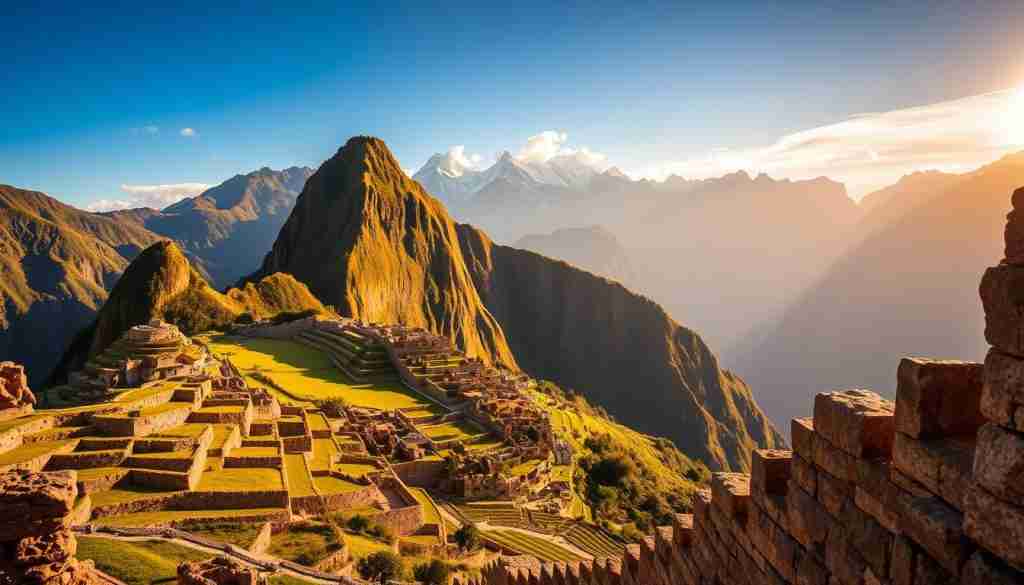
The Sacred Valley cradles a living testament to Inca mastery, where defensive strategy and agricultural genius intertwine. This fertile basin served as both shield and laboratory, protecting communities while advancing farming techniques still studied today.
Inca Fortresses and Terraced Fields
Ollantaytambo’s colossal stone walls rise like sentinels above cobblestone streets. This fortress-town guarded the valley’s western entrance, its steep terraces doubling as military vantage points and crop-growing platforms. Visitors can still walk original Inca pathways, tracing routes where soldiers once patrolled.
Agricultural Innovations in Ancient Times
Moray’s circular terraces descend 490 feet, creating microclimates for experimental farming. Each level mimics different elevation conditions, allowing Inca agronomists to test crop viability. Nearby, the Maras salt pans reveal how communities harnessed mineral-rich springs for sustainable harvesting.
| Feature | Ollantaytambo | Moray |
|---|---|---|
| Primary Purpose | Defense & habitation | Agricultural research |
| Key Structure | Sun Temple | Concentric terraces |
| Modern Use | Trailhead to Machu Picchu | Open-air museum |
These structures exemplify how the Inca harmonized spirituality with practicality. The valley’s temples weren’t just places of worship—they anchored irrigation systems and crop calendars. Today, travelers witness how ancient wisdom shaped landscapes that still sustain local communities.
Chavín de Huántar: The Cradle of Andean Culture
At the crossroads of ancient Andean trade routes, Chavín de Huántar emerged as a spiritual epicenter shaping regional identity. Built over two centuries (1000-200 BC), this UNESCO World Heritage site fused art, ritual, and architecture into a transformative religious experience. Its underground galleries and carved monoliths reveal how early cultures codified spiritual beliefs into tangible forms.
Evolution from Old to New Temple Complex
The complex evolved through distinct phases. The Old Temple centered around the Lanzón stela – a 15-foot granite deity sculpture hidden in maze-like corridors. Later expansions created the New Temple, featuring the iconic Castillo pyramid with ventilation shafts that produced roaring sounds during rituals.
| Feature | Old Temple (900 BC) | New Temple (500 BC) |
|---|---|---|
| Architectural Focus | Subterranean spaces | Vertical structures |
| Key Artifact | Lanzón stela | Tello Obelisk |
| Engineering Innovation | Drainage systems | Acoustic channels |
Today, the museum onsite displays carved tenon heads that once adorned temple walls. These stone faces depict transformed shamans, blending human and animal traits. Guides explain how Chavín’s iconography influenced later cultures across the Andes.
Scholars still debate the site’s exact purpose. Was it a pilgrimage destination? A political hub? What’s clear is its enduring legacy. Modern festivals in nearby villages echo Chavín’s celestial alignments, proving this ancient history remains vibrantly alive.
Urban Archaeology: Huaca Pucllana and Pachacamac Near Lima
Lima’s bustling streets conceal ancient treasures where past and present collide. Within the capital, travelers can step from modern districts into sacred spaces that predate Spanish colonization by centuries. These urban sites offer rare opportunities to explore pre-Columbian legacies without venturing far from city comforts.
Historical Insights and Modern Accessibility
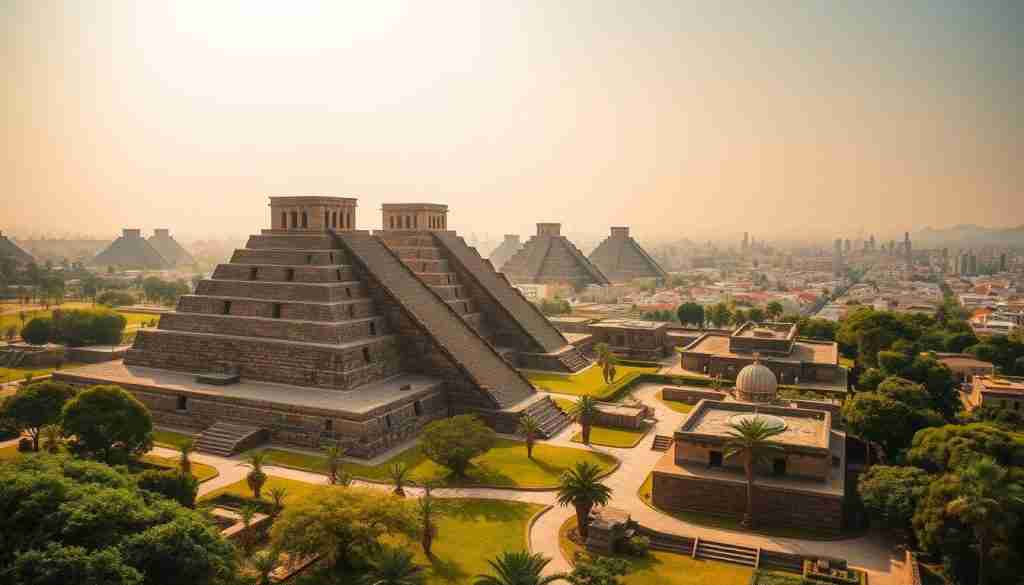
Huaca Pucllana rises dramatically in Miraflores, its adobe pyramid contrasting with surrounding high-rises. Built by the Lima culture (400-500 AD), this ceremonial center once hosted rituals honoring ocean deities. Today, evening tours illuminate its terraces, casting shadows across 1,500-year-old artifacts.
Forty minutes south lies Pachacamac, a sprawling pilgrimage site that thrived for 1,000 years. Its oracle drew worshippers from across the Andes, guiding political decisions through divine prophecies. The on-site museum displays intricately woven textiles and ceramic offerings recovered from its temples.
| Feature | Huaca Pucllana | Pachacamac |
|---|---|---|
| Travel Time from Lima | 10 minutes | 40 minutes |
| Key Attraction | Moonlight tours | Temple of the Sun |
| Best For | Half-day visits | Full-day exploration |
Both locations provide English-speaking guides and shaded pathways. For optimal visits, arrive early to avoid midday heat at Pachacamac. Pair your Huaca Pucllana tour with dinner at its cliffside restaurant, where ceviche meets panoramic views of illuminated ruins.
Legends of Chan Chan and Sipán: Echoes of a Lost Civilization
Along Peru’s desert coast, whispers of the Chimú Empire linger in sunbaked adobe walls. Chan Chan, once a thriving metropolis, sprawls across 14 square miles as the largest pre-Columbian city in South America. Its labyrinthine plazas and ceremonial pools reveal a society that mastered water management in one of Earth’s driest regions.
Architectural Splendors and Cultural Rituals
Three features make Chan Chan an engineering marvel:
- Intricate friezes depicting marine life and deities
- Advanced irrigation systems fed by mountain springs
- Acoustic designs amplifying ritual chants
Forty miles southeast, the archaeological sites of Sipán unveiled a 1987 discovery that rewrote history. Archaeologists uncovered the Señor de Sipán tomb – a Moche ruler buried with gold headdresses, turquoise jewelry, and sacrificial companions. This treasure trove exposed complex burial rituals honoring the divine status of leaders.
| Aspect | Chan Chan | Sipán |
|---|---|---|
| Construction | Adobe urban planning | Pyramid tombs |
| Cultural Focus | Trade hub ceremonies | Elite burial practices |
| Modern Impact | UNESCO restoration | Museum exhibitions |
These landmarks showcase South America’s layered past. While Chan Chan demonstrates civic organization, Sipán’s artifacts expose spiritual depth. Both sites are considered one of archaeology’s greatest windows into vanished empires, drawing travelers seeking connections with civilizations that shaped a continent.
Conclusion
Peru’s ancient wonders continue to rewrite history while shaping modern journeys. From Machu Picchu’s celestial alignments to the enigmatic Nazca Lines, these landmarks bridge millennia through stories etched in stone. Recent discoveries reveal how cultures like the Chachapoyas and Moche thrived in harmony with their environment, leaving structures that still awe engineers today.
Each site offers more than a glimpse into the past. The Temple of the Sun at Pachacamac and Kuélap’s cloud-shrouded walls invite travelers to walk paths where rituals once echoed. Even lesser-known treasures, like Caral-Supe’s urban plans, prove innovation flourished here over 5,000 years ago.
For those inspired to explore, Machu Picchu tour packages provide curated access to these marvels. Whether tracing sacred valley waterways or deciphering coastal adobe friezes, every day spent among these ruins becomes a dialogue with resilience.
As excavations uncover fresh insights, Peru’s legacy remains vibrantly alive. Let these archaeological sites guide your own adventure—where history’s whispers meet the thrill of discovery.