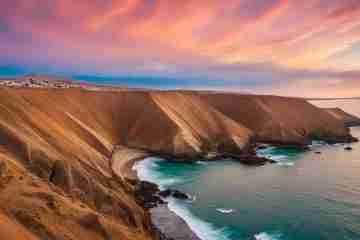
Paracas, Peru, is a place where the desert meets the Pacific Ocean. It’s a spot of natural beauty, rich culture, and exciting adventures. Located on Peru’s stunning south coast, it invites visitors to explore wild landscapes and ancient secrets.
Paracas is home to the mysterious Paracas Candelabra and the Ballestas Islands’ diverse marine life. It promises an unforgettable journey full of thrills and wonder. This article will take you through Paracas’ wonders, showing you the ultimate adventure that awaits.
Key Takeaways






- Paracas National Reserve offers a range of outdoor activities like sandboarding, kayaking, and paragliding.
- The diverse marine life in Paracas provides opportunities for snorkeling and diving.
- Local guides in Paracas have valuable knowledge to ensure safe and sustainable adventures.
- Paracas Peru Tours cater to both adrenaline seekers and nature enthusiasts.
- Planning an itinerary allows visitors to maximize their experience in Paracas.
Unraveling the Mysteries of Paracas
Paracas is a place full of mysteries, sharing secrets of an ancient civilization. This civilization once lived in the dry lands of Peru. They thrived from 800 BCE to 100 BCE, leaving behind a rich culture.
The Paracas people made beautiful textiles and found new ways to bring water to their land. They lived in the Ica Valley, making the most of their harsh environment.
The Paracas Culture: A Glimpse into the Past
Archaeologists like Julio Tello have found many secrets in Paracas. They discovered Paracas Cavernas and Ocucaje, showing us how the people lived and what they believed. These sites reveal their burial customs and their advanced ways of life.
Their textiles and irrigation systems show their creativity and resourcefulness. These discoveries fascinate scholars and visitors, showing the lasting impact of the Paracas culture.
Unearthing Secrets: Archaeological Discoveries
The Paracas Cavernas are filled with underground tombs that have given up many secrets. They have found the remains of Paracas people, beautiful textiles, and many artifacts. These items tell us about their beliefs and daily life.
Ocucaje has also shown us a lot about the Paracas people. It has revealed pottery, tools, and other items that give us a peek into their lives.
Paracas National Reserve: Where Nature Meets History
The Paracas National Reserve is a huge area that protects the land’s beauty and history. It covers 335,000 hectares and includes the Paracas Peninsula and Independencia Bay. Visitors can see the stunning nature and learn about Paracas’ history.
The Paracas culture still inspires and fascinates people today. Archaeologists, historians, and travelers are always discovering new things about this mysterious place. Paracas lets us see a world from long ago, inviting us to explore and wonder.
The Enigmatic Paracas Candelabra
The Paracas region in Peru is home to the Paracas Candelabra, a massive geoglyph. It’s etched into a hill overlooking the Pacific Ocean. This symbol, standing tall at 595 to 800 feet, has captured the interest of many scholars and visitors.
Created around 200 BCE, the paracas candelabra‘s purpose is still a mystery. Some think it was a marker for sailors, while others believe it was for rituals of the ancient paracas people. It shows the creativity and skill of a long-lost civilization in this dry coastal area.
“The Paracas Candelabra is a beacon for seabirds that call the coastal waters home, and a testament to the rich history and culture of the Paracas region.”
The paracas candelabra is a key attraction in the Paracas National Reserve. This area shelters over 200 bird species, including the Humboldt Penguin and the Peruvian Booby. Visitors can see the reserve’s varied landscapes, from red beaches to tall sand dunes. It’s a place of stunning natural beauty that has amazed people for years.
If you love history, nature, or just want an amazing adventure, the Paracas region and its paracas candelabra are perfect for you. So, get your gear ready, put on your hiking boots, and start exploring this incredible place.
Textiles and Pottery: Threads of History
The Paracas culture in ancient Peru was known for its amazing textile and pottery skills. Their textiles were full of color and detail, showing the skill of their pottery. Some pottery even used reptile urine for unique colors.
Paracas History Museum: A Treasure Trove
The Paracas History Museum is a place full of treasures. It has many Paracas artifacts, like mummies in colorful fabrics. These mummies tell us about the funerals and social status of the people back then. The quality of the fabrics showed how important someone was in society.
Influencing Nazca: A Cultural Continuum
The change from Paracas to Nazca styles is seen in archaeological sites, like Ocucaje. This shows how the Paracas people’s art influenced the Nazca lines. Their art had a big impact on future cultures.
| Paracas Textiles | Paracas Pottery |
|---|---|
|
|
“The Paracas people’s mastery of textile arts and ceramics has left an indelible mark on the cultural heritage of Peru, inspiring generations of artists and historians alike.”
Nature’s Preservation: A Gift from the Arid Lands
The dry coastal area of southern Peru has been a natural protector. It has kept paracas artifacts safe for hundreds of years. This has let archaeologists learn a lot about the paracas civilization. They’ve gained a deeper understanding of their world and how they survived.
The artifacts found include textiles, ceramics, and mummies. These items have given us key insights into the Paracas culture. We’ve learned about their art, how they buried their dead, and how they lived in the desert. This preservation has been a big help, letting us discover the Paracas secrets and appreciate their lasting impact.
“The arid lands of southern Peru have become a natural time capsule, preserving the remarkable creations of the Paracas people for centuries.”
The Paracas culture thrived from 800 BCE to 100 CE. They left behind many artifacts that still interest archaeologists and historians. These items, like textiles and ceramics, show us what life was like in their time.
| Paracas Artifacts | Insights Gained |
|---|---|
| Textiles | Artistic traditions, clothing, and weaving techniques |
| Ceramics | Pottery styles, decorative motifs, and use of materials |
| Mummies | Burial practices, health, and physical characteristics |
The dry climate of Paracas has been key in keeping these artifacts safe. It has allowed researchers to study them closely. This has helped us learn more about the Paracas people and their amazing legacy.

Embracing Paracas: Cultural and Historical Significance
The Paracas National Reserve in Peru is a key part of the Paracas culture’s legacy. This ancient civilization thrived from 800 BCE to 100 BCE. It left a big mark on the region’s art, ceremonies, and environment. Today, efforts are made to keep the Paracas heritage alive, making sure it stays a big part of Peru’s culture.
The Paracas culture is famous for its amazing textiles. These are found in the Paracas Necropolis, ancient burial sites in the reserve. The fabrics show off the Paracas people’s advanced art skills with their detailed patterns and bright colors. The culture is also known for its unique burial ways, which have given us fascinating mummies and archaeological finds.
The Paracas National Reserve and the Paracas History Museum are key in keeping the Paracas legacy alive. They protect and share the Paracas story with the world. Through exhibits, programs, and conservation, they make sure the Paracas culture inspires and educates people today and tomorrow.
“The Paracas culture has left an indelible mark on Peruvian history, with its artistic achievements, ceremonial practices, and innovative adaptations to the arid coastal environment.”
By valuing the Paracas culture and history, Peru keeps this amazing civilization close to its heart. From the beautiful textiles and mummies to the protected nature and learning places, Paracas still amazes and moves those who visit.
| Key Facts about Paracas National Reserve | Statistics |
|---|---|
| Area | 3,350 square kilometers |
| Average Annual Temperature | 16°C to 22°C (61°F to 72°F) |
| Climate | Desert climate with low humidity, minimal rainfall, and high temperatures |
| Notable Marine Species | South American sea lion, Humboldt penguin, anchovies, mackerel, sardines, octopuses, crabs |
| Notable Terrestrial Species | Pacific iguana, Peruvian desert fox, cacti, shrubs, grasses |
| Establishment | 1975, as Peru’s first marine reserve |
Paracas Peru Tours: Unveiling the Ultimate Adventure
Paracas is a stunning coastal area in Peru, perfect for those who love adventure. The Paracas National Reserve is a 335,000-hectare area full of beauty. It offers everything from scenic bus tours to thrilling sand buggy rides.
Paracas National Reserve: Nature’s Masterpiece
This reserve is a dream for nature lovers, adventure seekers, and anyone interested in history and culture. It’s where you can see the amazing Paracas Peninsula and the mysterious Paracas Candelabra. This huge geoglyph has fascinated people for ages.
Don’t miss the Playa Roja, or Red Beach. Its red sand makes it a unique spot for adventures and discovery.
Ballestas Islands: The Peruvian Galápagos
The Ballestas Islands, known as the “Peruvian Galápagos,” are full of wildlife. You can see fur seals, sea lions, and Humboldt penguins. Boat tours here let you see the amazing marine life up close.
Paracas Peru tours are the ultimate adventure. They mix stunning nature, history, and exciting activities. Whether you want a calm journey or an action-packed day, Paracas has it all.
Beaches and Marine Escapades
Paracas, Peru, is a place with beautiful beaches that offer both calm and excitement. You can find everything from the wild Supay Beach to the peaceful Yumaque Beach. These beaches have something for everyone, making them perfect for any traveler.
Thrilling Outdoor Activities
Paracas is not just about beaches. It’s also a hub for exciting outdoor activities. You can go on ATV tours in the Paracas National Reserve, try sandboarding, or ride dune buggies in Huacachina. These activities are sure to get your heart racing.
Wildlife Watching: A Biodiversity Hotspot
Paracas is a paradise for nature lovers, full of different species. You can go birdwatching and see Peruvian pelicans, Guanay cormorants, and Humboldt penguins. The Ballestas Islands, known as the “Peruvian Galápagos,” are a must-see for marine wildlife.
| Outdoor Activity | Location | Highlights |
|---|---|---|
| ATV Tours | Paracas National Reserve | Explore the rugged terrain and stunning landscapes of the reserve. |
| Sandboarding | Huacachina Oasis | Slide down the massive sand dunes for an adrenaline-filled experience. |
| Dune Buggy Rides | Huacachina Oasis | Zoom through the desert in these thrilling dune buggies. |
| Birdwatching | Paracas National Reserve, Ballestas Islands | Spot a diverse array of seabirds, including the iconic Humboldt penguins. |
Looking for a relaxing day or an exciting adventure? Paracas has it all. Discover the beautiful coastlines, try thrilling outdoor activities, and see the amazing wildlife. It’s a place that will give you memories to last a lifetime.
Insider Tips: Explore Like a Local
When you visit Paracas, Peru, don’t just stick to the tourist spots. Venture off the beaten path to experience the local vibe. You can find great deals by asking for menus at beachfront restaurants. These places are known for their seafood and ceviche, giving you a real taste of the area.
Head to the other side of the promenade for more local spots with lunch deals. Paracas might be a bit pricier than other places in Peru. But, with some insider tips, you can enjoy the paracas budget travel experience and dive into the paracas food culture.
“The best way to experience Paracas like a local is to explore the lesser-known eateries and embrace the vibrant culinary scene beyond the main tourist areas.”
If you’re in the mood for delicious seafood or just want to feel the local vibe, follow what the locals do. This will help you understand Paracas better.

Looking for budget-friendly lunch spots or hidden food treasures? Exploring Paracas like a local is the way to go. It’s the secret to experiencing the true spirit of this beautiful place.
Conclusion
Paracas, Peru, is a place where adventure, history, and beauty come together. It has the mysterious Paracas Candelabra, exciting outdoor activities, and the culture of the Paracas people. This makes it a memorable spot for those wanting to explore Peru’s wonders.
Visitors can enjoy the beautiful Paracas National Reserve, see the Ballestas Islands’ marine life, or try thrilling outdoor activities. When planning your trip, follow local tips to make your visit authentic and memorable.
Paracas is a top spot in Peru, known for its mix of history, nature, and adventure. It has the amazing Paracas Candelabra, a variety of wildlife, and chances to dive into local culture. This place will surely touch your heart and stay in your memories.