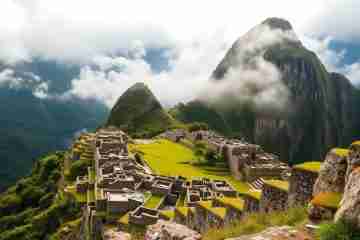
Get ready for an adventure that will amaze you with the Andean landscapes. Peru’s trails are as stunning as the Alps and Himalayas. They offer rugged beauty and untouched wilderness. You’ll find yourself alone in the Andes, discovering new wonders at every step.
This guide will show you the top Andean treks. You’ll learn about the Salkantay Trek, Ausangate Circuit, Rainbow Mountain, and Huayhuash Circuit. Whether you’re an experienced adventurer or looking for a memorable trip, we’ve got you covered.
Key Takeaways
- Discover the breathtaking landscapes of the Andes, with trekking opportunities rivaling the Alps and Himalayas
- Explore remote, untouched trails that offer a chance to escape the crowds and experience raw, magical scenery
- Tackle challenging high-altitude treks like the Salkantay Trek, Ausangate Circuit, and Huayhuash Circuit
- Immerse yourself in the rich cultural heritage and indigenous traditions of the Andes
- Plan your Andean adventure with our comprehensive guide to the best hiking trails, gear, and safety tips
Planning Your Ultimate Andean Mountains Adventure
Planning a trip to the Andean Mountains in South America needs careful thought. You must decide when to go, get your travel papers in order, and make sure you’re fit enough. Getting ready well in advance is key to a great adventure.
Best Time to Visit the Peruvian Andes
The dry season, from May to September, is the best time to see the Peruvian Andes. The weather is usually dry and sunny, perfect for hiking. Daytime temperatures are pleasant, around 15-25°C (59-77°F), with cooler nights.
This time of year lets you see the area’s beauty and meet locals easily. You won’t face the problems of rain or snow.
Essential Travel Documents and Permits
Before you go, make sure you have all your travel documents ready. You’ll need a valid passport and any visas needed. Also, you might need trekking permits for some areas.
It’s smart to get these permits early. This way, you won’t run into problems on your trip.
Recommended Physical Preparation
The Andes are very high, with some trails over 4,000 meters (13,123 feet). Being in good shape is important for a safe and fun trip. Start exercising regularly to build up your endurance and strength.
Also, try to get used to the thinner air by training at high altitudes. This could be stair climbing or hiking in hilly places.
By carefully planning your Andean adventure, you’ll have a memorable trip. From choosing the right time to visit to getting fit, you’re on your way to an amazing journey in South American travel and outdoor adventures.
The Cordillera Huayhuash Circuit: Peru’s Crown Jewel
For those who love backpacking tours and mountaineering experiences, the Cordillera Huayhuash Circuit in Peru is a dream come true. This 16-day trek is a real challenge, with a difficulty level of 7 to 9. It takes you through the Andes, offering views of glaciers, lakes, and wildlife.
The trek spans about 70 miles, with a total elevation gain of 23,000 feet. You’ll lose 26,000 feet as well. The highest point is the Rosario Pass, at 16,700 feet.
| Trekking Details | Specifications |
|---|---|
| Duration | 16 days |
| Difficulty Level | 7 to 9 (out of 12) |
| Group Size | 4 to 15 participants |
| Maximum Altitude | 5,200 meters (17,060 feet) |
| Meals | 20 breakfasts, 15 lunches, 14 dinners |
| Accommodation | 14 nights camping, 6 nights in hotels |
The trek starts at Quartelhuain / Matacancha Trailhead, at 13,600 feet. You’ll cross eight high-altitude passes, including Punta Sacsa at 4,750 meters. Along the way, you’ll see amazing views of peaks like Yerupaja and Huascaran.
The trek offers different terrains, from easy trails to steep paths. You might see condors at Laguna Mitacocha, at 4,200 meters.
If you’re into backpacking tours or mountaineering experiences, the Cordillera Huayhuash Circuit is a must. It’s a journey that will amaze you with Peru’s stunning mountains.
High-Altitude Trekking Safety and Acclimatization
Starting an andean mountains adventure or trek in Peru’s Andes needs careful planning. Altitude sickness is a big worry, causing headaches, dizziness, and tiredness. It’s key to acclimatize right to have a safe and fun trip.
Understanding Altitude Sickness Symptoms
Altitude sickness hits travelers fast when they go too high, over 2500 meters. Signs include headaches, nausea, and feeling very tired. While mild cases get better in a few days, severe cases can be deadly.
Acclimatization Schedule and Tips
- Slowly go up in altitude over days to let your body adjust.
- Drink lots of water and skip alcohol to avoid sickness.
- Think about taking medicine like acetazolamide to help adjust.
- Don’t climb too high, aim for 300-500 meters a day.
Emergency Preparedness at High Elevation
Trekking in the Andes means being ready for emergencies. Carry a PLB and make sure your insurance covers getting you out. Know the weather and trail conditions to face any problems. For beginners, a guided trek is best to ensure safety and acclimatization.
By knowing about altitude sickness, acclimatizing slowly, and being ready for emergencies, you can safely explore the Andes. Start your trekking adventure in Peru with confidence.
Essential Gear and Packing List
Starting an adventure in the Andean Mountains needs careful planning and the right gear. Whether you’re on the Cordillera Huayhuash Circuit or other famous trails in Peru, the right equipment is key. It can greatly improve your outdoor adventure.
For a comfortable and safe trip, make sure to pack these items:
- Warm layers like a down jacket, thermal base layers, and a fleece
- Waterproof and breathable rain gear, including a jacket and pants
- Sturdy, broken-in hiking boots with good traction
- Trekking poles to help with balance and ease knee strain
- A 25-35L day pack for your essentials during the day
- A larger 50-65L backpack for multi-day treks, for your camping gear
For overnight stays, bring a zero-degree Fahrenheit sleeping bag, a sleeping pad, and a reliable, lightweight tent. A 3L water bladder is also recommended to stay hydrated on high-altitude hikes.
Other must-haves include a water filter bottle, sunscreen, a headlamp or torch, and a portable charger for your devices. Always check with a doctor about altitude sickness prevention medication before your trip.
Remember to check the specific gear lists for each trek. Different treks may have different needs. With the right gear and preparation, you’ll be ready to enjoy the stunning views of the Andean Mountains.

Navigating Peru’s Mountain Terrain
Trekking in Peru’s Andean mountains needs a good grasp of the terrain and local weather. The trail signs can change a lot, with some areas easy to follow and others harder. Getting ready and having a local guide can make your andean mountains adventure and mountain climbing safer and more fun.
Trail Marking Systems
The signs on trails in Peru’s Andes vary a lot. Famous trails like the Inca Trail to Machu Picchu have clear paths. But, on less known routes like the Cordillera Huayhuash Circuit, signs might be scarce. It’s key to research your trek and think about getting a local guide to keep on track.
Weather Patterns and Seasonal Conditions
The Andes in Peru have a clear wet and dry season. The dry season, from May to September, is best for andean mountains adventure and mountain climbing, with clear skies and cooler temps. The wet season, from October to April, brings rain, snow, and unpredictable weather, making trekking harder. Knowing the seasons and packing right can greatly improve your trek’s safety and fun.
Local Guide Services
Getting a local guide is super helpful for exploring Peru’s mountains. They know the trails, weather, and emergency plans well. They also help with cultural experiences, history, and traditions, and make sure your trek is safe and successful. While guides cost extra, the safety and experience they offer are worth it for many.
In short, to navigate Peru’s mountains, you need to be prepared, know the local area, and have a pro guide. By understanding trail signs, knowing the weather, and using a local guide, you’re set for an amazing andean mountains adventure and mountain climbing journey in the Andes.
Mountain Camping and Accommodation Options
Backpacking tours in the Andean Mountains often mean camping. The Huayhuash Circuit has campsites with basic facilities. Some treks, like the Salkantay route, offer camping and lodges for a better stay.
In towns like Huaraz and Cusco, you’ll find many places to stay before and after your trek. These towns have hostels and hotels. When you camp, you pay the local communities directly, helping protect these areas.
Innovative Andean Camps
New camping options are emerging in the Andes. The Sky Camp project started in 2016 with 10 domes. Now, it has 32 domes for 64 people, plus a dining room, all at 3,900 meters.
- The Andean Huts camp in Chaullay can host 32 travelers at an elevation of 2,900 meters (9,514 feet).
- The Mountain Sky View camp in Collpapampa can accommodate 20 guests at an elevation of 2,950 meters (9,680 feet).
- The Jungle Domes camp in Lucmabamba can host 32 travelers at an elevation of 2,000 meters (6,562 feet).
These mountain camps offer meals, Wi-Fi, power, and toilets. They also give you amazing views and great photo spots.

Whether you like traditional camping or modern Andean accommodations, Peru’s mountains have lots to choose from. Your backpacking tours and outdoor adventures will be memorable.
Cultural Encounters in the Andes
Trekking through the Andean mountains of Peru is a unique chance to dive into the region’s rich culture. You’ll see stunning landscapes and meet local communities. They share traditions that have lasted for generations.
Local Communities and Traditions
The Andes have many indigenous communities, each with their own culture. On the Huayhuash Circuit, you might visit villages where locals warmly welcome you. They share their stories and traditions, like colorful markets and weaving.
Mountain Etiquette and Customs
Exploring the Andes means respecting local customs. Showing respect for the land and people is key. Simple actions like greeting elders or asking before taking photos can make a big difference. This way, you’ll truly connect with the andean culture exploration and south american travel experience.
Indigenous Heritage Sites
The Andes also have ancient Incan and pre-Incan sites. Treks like the Choquequirao Trek let you see these ruins. They show the history and resilience of the indigenous people who lived here.
“Engaging with local communities and respecting their customs is the key to unlocking the true essence of the Andes.”
Wildlife and Natural Wonders
The Andean mountains are a paradise for those who love the outdoors. They offer an Andean mountains adventure like no other. Here, you can see everything from the huge Andean condor to the rare Andean hairy armadillo.
These mountains are also home to many natural wonders. You’ll find glacial lakes that mirror the snow-capped peaks. The high-altitude grasslands and wetlands are full of colorful plants. The Cordillera Huayhuash is especially known for its stunning beauty.
Exploring the Andes, you’ll see amazing sights like Rainbow Mountain. You’ll also discover different ecosystems, from cloud forests to alpine zones. Each place shows off the Andes’ incredible variety of life and landscapes.