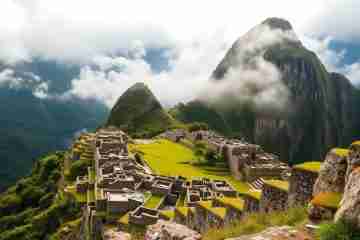
Start an unforgettable journey in Peru, where ancient ruins, vibrant cultures, and stunning landscapes await. You can soar over the Nazca Lines or trek the Inca Trail to Machu Picchu. Peru has many experiences that will amaze you. To make your trip a success, learn these essential tips and tricks.
Key Takeaways
- Familiarize yourself with Peru’s diverse climates and weather patterns to pack appropriately for your journey.
- Embrace the local culture by learning a few Spanish phrases and respecting sacred sites and customs.
- Prioritize reliable transportation options and plan for potential delays or disruptions.
- Prioritize your health by being aware of altitude sickness and taking necessary medical precautions.
- Research and book accommodation, tours, and activities in advance to ensure a smooth and hassle-free trip.
Why Peru Should Be Your Next Travel Destination
Peru is a treasure in South America, mixing culture, nature, and history. It’s home to Machu Picchu and the Amazon rainforest. These places offer unique experiences for any traveler.
Cultural Heritage and Natural Wonders
Peru’s culture is a mix of Inca traditions, Spanish influence, and indigenous cultures. Machu Picchu, a New Seven Wonder, attracts millions. It’s known for its ruins and mountains.
Peru has many sites like the Nazca Lines and Lake Titicaca’s Floating Islands. These places let visitors dive into Peru’s rich culture.
Diverse Landscapes from Coast to Mountains
Peru’s landscapes vary greatly, from deserts to mountains and rainforests. The Inca Trail is a top trekking spot. Manu National Park is a haven for wildlife.
Rich Historical Significance
Peru’s history is deep, with sites like Cusco showing Inca engineering. The Nazca Lines and Lima’s colonial past are also key. These places show Peru’s rich history.
Peru has culture, nature, and history. It’s a place that will touch your heart and mind. Start planning your trip to Peru today.
| Attraction | Visitor Statistics |
|---|---|
| Machu Picchu | Over 2 million visitors per year |
| Inca Trail | One of the world’s most renowned trekking routes |
| Manu National Park | Considered the most biodiverse place on Earth |
| Cusco | A UNESCO World Heritage Site and former capital of the Inca Empire |
| Nazca Lines | A UNESCO World Heritage Site and one of Peru’s most enigmatic archaeological wonders |
“Peru is a country of superlatives. From the heights of the Andes to the depths of the Amazon, it is a land of astounding diversity and remarkable cultural heritage.” – National Geographic Traveler
Planning Your Perfect Peruvian Adventure
Starting your peru travel planning means doing your homework. Look into the different places, like cusco sightseeing and the Andean views. Use travel agencies like Tour In Peru to make your trip smooth.
Being flexible is important for your trip. Don’t stick to a tight plan. Check the safety of places like Lima and Cusco. Choose safe areas for your stay.
| Destination | Altitude (m) | Recommended Season |
|---|---|---|
| Cusco | 3,400 | April – May, September – October |
| Colca Canyon | 3,600 | April – May, September – October |
| Rainbow Mountain | 5,036 | April – May, September – October |
With careful planning and flexibility, you’re set for an amazing peruvian adventure. You’ll enjoy the culture and beautiful sights.
“Peru is a land of mysteries, from the ancient Incan ruins to the vibrant indigenous cultures. Embrace the unexpected and let the country’s rich history and breathtaking landscapes captivate you.”
Essential peru tips and tricks for First-Time Visitors
Are you ready for your first trip to Peru? Get ready for an amazing adventure with these tips. Learn about documents, visa needs, the best travel times, and the local money. This guide will help you travel to Peru with ease.
Documentation and Visa Requirements
Before you go, check that your passport is good for at least six months after your trip. You might need a visa to get into Peru. Look up the peru visa requirements early to make your arrival smooth.
Best Time to Visit Different Regions
The best time to visit Peru changes based on where you’re going. The dry season, from May to October, is perfect for Machu Picchu and the Andes. The Amazon is open all year. Think about the weather and what’s happening seasonally when planning your Peruvian trip.
Currency and Payment Methods
The Peruvian currency is the Sol, but you can also use US dollars, especially in tourist spots. Carry both cash and cards. Keep up with exchange rates. Knowing how to pay and local customs will help you avoid surprises on your trip.
“Peru is a country of extraordinary richness and diversity, both in its natural and cultural heritage. Exploring its wonders is a truly transformative experience.”
Navigating Transportation in Peru
Travelers in Peru have many ways to get around. You can take long-distance buses or domestic flights. Peru’s transportation network is diverse and scenic.
Buses are great for long trips. They are more reliable and scenic than flights. Peru Hop offers a flexible service to explore the country at your pace. Bus fares in cities are under S/4 (US$1), making them affordable.
In Lima, use reputable taxis or Uber. Don’t hail taxis on the street at night. Always check driver and vehicle details with rideshare apps. Taxis in Lima are under US$4 for a typical ride.
- Bus transport in major cities of Peru costs less than S/4 (nearly US$1) for commutes across the city.
- A 40km (25-mile) bus ride in Lima from the north to the south can take approximately two hours due to constant drop-offs and pick-ups.
- Taxis in Lima, Peru’s most expensive city, cost an average of less than US$4 for an average fare.
Car rental is good for short trips. But, consider the high costs for jungle or Andes trips. Four-wheel-drive vehicles are needed for rough terrains.
Try the Ferrocarril Central Andino train from Lima to Huancayo. It reaches 4782m (15,689ft) above sea level. It’s a thrilling experience.
Getting around Peru can be challenging. But, with the right info and caution, you can travel with ease and confidence.
Altitude Awareness and Health Considerations
Traveling to Peru’s high-altitude areas like Cusco and Arequipa can be challenging. Altitude sickness is a big concern. To have a safe trip, it’s important to prepare and take the right steps.
Dealing with Altitude Sickness
Altitude sickness, or acute mountain sickness (AMS), happens when you go too high too fast. Symptoms include headaches, nausea, dizziness, and feeling very tired. These can start within 6 to 24 hours or take days to show up.
To lessen the risks, acclimatize slowly. Take it easy for a few days, drink lots of water, and avoid alcohol.
Medical Precautions and Insurance
See a doctor before your trip to talk about altitude medication. Diamox (Acetazolamide) can help your body adjust to high altitudes. Also, make sure your travel insurance covers medical emergencies. Altitude sickness can be serious and need quick medical help.
Essential Medical Supplies
- Prescription medications, including any for altitude sickness
- Over-the-counter pain relievers and anti-nausea meds
- Bandages, antiseptic wipes, and basic first-aid items
- Portable oxygen canisters or an Oxishot (about $16) for quick relief
Being proactive and packing the right medical precautions can help you enjoy Peru without altitude sickness problems.
Culinary Adventures: Exploring Peruvian Cuisine
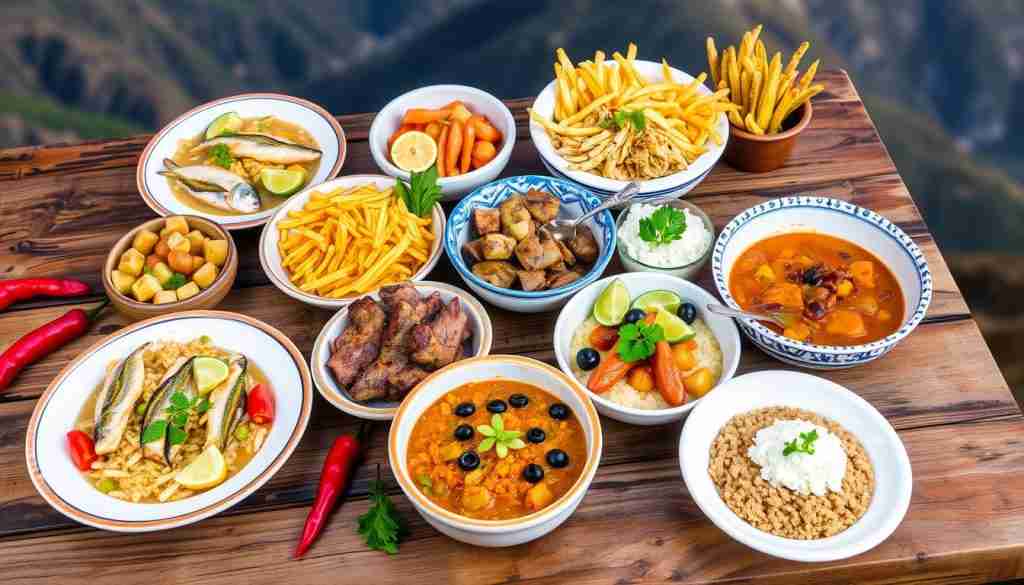
Peru is a food lover’s dream, with a vibrant and diverse food culture. The country’s food is shaped by its geography and culture. From the Pacific coast’s seafood to the Amazon’s tropical produce, Peruvian cuisine is a true reflection of Peru.
Potatoes, corn, and tomatoes, believed to have originated in Peru, are key ingredients. The mix of native flavors with European, Asian, and Middle Eastern cooking styles makes Peruvian food unique and exciting.
Trying ceviche and pisco sour is a must when visiting Peru. These dishes showcase the country’s fresh seafood and national spirit. For those who love spice, there’s a wide variety of ají (chili peppers) to explore.
To truly experience peruvian cuisine, visit traditional markets and small family-run restaurants. These places offer the best of Peruvian home cooking. Remember to choose busy places for the freshest and safest food.
Peruvian dishes like lomo saltado, aji de gallina, and papas a la huancaina are unforgettable. They offer complex flavors and comfort that will impress your taste buds.
“Peruvian gastronomy is a captivating fusion of traditional and modern flavors, blending native ingredients with cooking styles from Europe, Asia, and the Middle East.”
Exploring peruvian cuisine means visiting lively local food markets. These markets are full of fresh produce and artisanal goods. Your culinary journey through Peru will be an experience you’ll never forget.
Accommodation Options and Smart Booking Strategies
Peru has many places to stay, from fancy hotels to cozy homestays. You can pick what fits your travel style best. When choosing where to stay, think about the location. It’s important to be close to attractions and safe. Use booking sites to find great places, but also try booking directly with hotels for better prices.
From Luxury Hotels to Local Homestays
Peru has something for everyone, from luxury resorts to local homestays. Hotels offer top comfort and services. Homestays let you see Peruvian life up close. Think about your budget and what you want to experience to choose the right place.
Location Selection Tips
- Prioritize safety and proximity to key attractions
- Research neighborhoods and districts to find the right fit
- Evaluate accessibility to public transportation or walkability
Booking Platforms and Timing
Use trusted sites like Booking.com or Airbnb to compare and book. But, talking directly to hotels can get you discounts, especially in busy times. Plan ahead, as places like Cusco and Machu Picchu fill up fast, especially during holidays.
| Accommodation Type | Average Nightly Rate | Advantages |
|---|---|---|
| Luxury Hotels | $150 – $500+ | High-end amenities, exceptional service |
| Mid-Range Hotels | $50 – $150 | Comfortable accommodations, good value |
| Budget Hostels | $10 – $30 | Affordable options for solo travelers and backpackers |
| Local Homestays | $20 – $50 | Authentic cultural immersion, personalized experiences |
“Staying in a local homestay in Peru was the highlight of our trip. We got to experience Peruvian hospitality firsthand and learned so much about the culture.”
Safety Guidelines for Peru Travel
Exploring Peru’s vibrant culture and stunning landscapes needs careful attention to peru travel safety. As you prepare for your Peruvian journey, remember these key street smart tips. They will help you have a safe and fun trip.
Always be alert in cities. Carry your valuables in a money belt or a secure bag. Look up the safety of areas before you book your stay. Choose safe transport like official taxis or public buses over street cabs.
Have emergency contact numbers ready. This includes the local police (105), tourist police (+51 980 122 335), and your embassy’s number. Keep up with local news and weather alerts that might affect your plans.
| Vaccination Recommendations | Altitude Considerations | Disease Prevention |
|---|---|---|
|
|
|
By sticking to these peru travel safety tips and staying alert, you can dive into Peru’s beauty safely. Enjoy your Peruvian adventure with peace of mind!
Cultural Etiquette and Local Customs
Exploring Peru’s vibrant culture means understanding local customs and etiquette. This knowledge makes your trip more rewarding. It helps you connect with the people and places in a meaningful way.
Communication Tips
Learning basic Spanish phrases is key. It shows respect and helps you communicate better. Knowing greetings, polite words, and common expressions can build strong relationships with locals.
Respecting Sacred Sites
At Peru’s sacred sites, dress modestly and ask before taking photos. These places are deeply meaningful. Showing respect is a sign of gratitude and admiration.
Gift-Giving Protocols
Gift-giving in Peru is different from back home. Bringing fruit, chocolates, or quality liquor is a thoughtful gesture. Remember, Peruvians often open gifts right away, showing their joy and thanks.
| Cultural Aspect | Peruvian Customs |
|---|---|
| Greetings and Interactions | Engage in extended greetings with small talk, prioritize relationships over strict time frames, and accept spontaneous visits from friends and family. |
| Hospitality and Dining Etiquette | Offer guests drinks upon arrival, expect guests to finish all food served, and observe traditional seating arrangements with men and women on opposite sides of the table. |
| Gift-Giving | Bring gifts like fruit, chocolates, or liquor when visiting someone’s home, and be prepared for the recipient to open the gift immediately. |
By embracing peruvian customs, quechua culture, and cultural etiquette, your trip becomes more immersive and rewarding. Showing respect and a desire to learn shows your appreciation for Peru’s rich heritage.
Packing Essentials for Different Regions
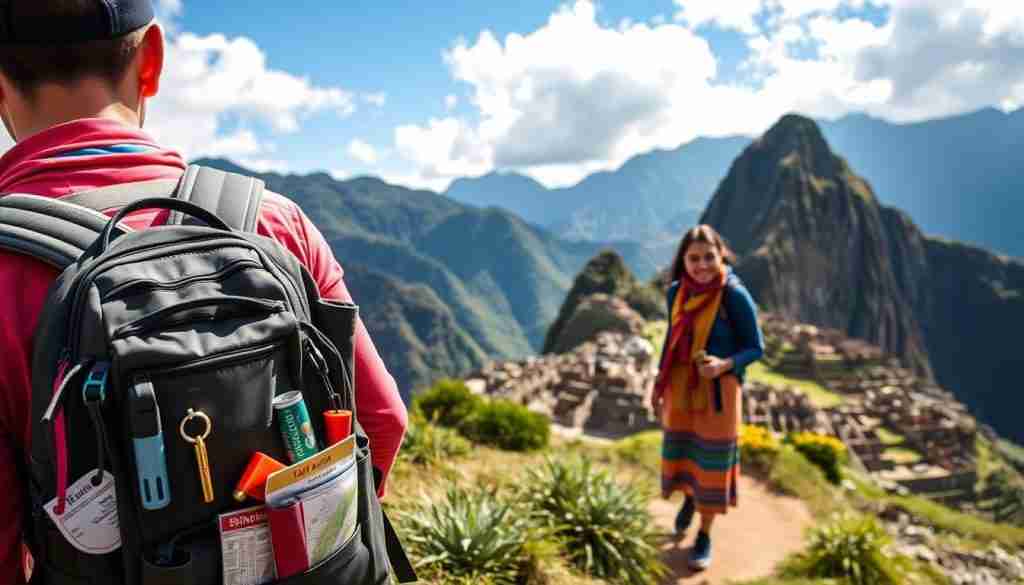
When you’re packing for Peru, think about the different climates and terrains you’ll see. For the coast, wear light and breathable clothes because it’s warm and dry. In the Andes, bring warm clothes like sweaters and jackets for the cool nights.
In the Amazon rainforest, choose quick-drying, light fabrics to stay comfy in the humid and rainy weather. Remember to pack sun protection like hats, sunglasses, and sunscreen. The sun is strong, especially in places like Cusco and the Sacred Valley.
If you love hiking, bring waterproof boots, a rain jacket, and trekking poles. These are key for the Inca Trail or Rainbow Mountain. Also, pack a reusable water bottle, toilet paper, and hand sanitizer. You might not find these in remote spots.