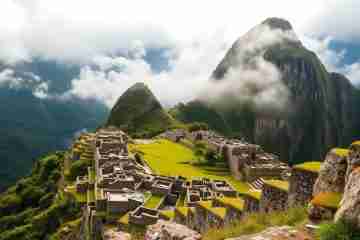
Sustainable tourism in Peru is a movement that lets travelers see the country’s beauty and culture in a green way. Peru has the Andes, the Amazon, and vibrant communities. It leads in making tourism better for the environment and culture.
Traveling sustainably helps places and people. It reduces harm to nature and helps local economies. This way of traveling is about caring for the planet and respecting cultures.
Key Takeaways
- Sustainable tourism in Peru focuses on conscientious travel, respecting environments and communities.
- Peru’s vast Amazon basin and rich cultural heritage make it a prime destination for eco-friendly adventures.
- Travelers can choose responsible tour operators and accommodations to contribute positively to local communities.
- The International Ecotourism Society (TIES) provides guidelines for ecotourists to minimize environmental impact.
- Sustainable tourism promotes environmental and cultural awareness, benefiting both travelers and local populations.
Understanding Sustainable Tourism in Peru
Sustainable tourism in Peru means we can enjoy today without harming tomorrow. It’s about finding a balance between economic, social, and environmental needs. This way, tourism can be both good for people and the planet.
Definition and Core Principles
The Brundtland commission says sustainable tourism is about meeting today’s needs without hurting tomorrow. It’s about taking care of the economy, society, and nature. The key principles include reducing our ecological footprint, helping local economies, and promoting cultural exchange.
Environmental and Cultural Impact
Peru’s tourism is closely linked to protecting its nature and culture. The country has huge forests, mainly in the Amazon, which are under threat. Sustainable tourism tries to lessen this harm and support responsible travel peru efforts. These efforts help local communities keep their traditions alive.
The Role of Responsible Travel
Responsible travel is key to eco-lodges in peru and sustainable tourism. By choosing wisely, travelers can help the environment and support local people. This approach helps visitors truly appreciate Peru’s beauty and culture, creating a win-win situation for everyone.
“Sustainable tourism in Peru is about meeting the needs of the present without compromising the ability of future generations to enjoy the country’s natural and cultural wonders.”
The Rise of Eco-Friendly Travel in the Andes
Peru is now a top spot for travelers who care about the environment. It offers green destinations peru and low-impact adventures peru. The country has made big steps to protect its nature, like setting up national parks and reserves.
In Peru, tour companies are focusing on eco-friendly travel. They provide options like trekking that doesn’t harm the environment. Eco-lodges in the Andes let visitors enjoy the area’s beauty while helping local communities.
The Inca people were known for living in harmony with nature. Their ways, like building terraces and creating water systems, show their care for the earth. These methods are still inspiring today.
Traveling sustainably in Peru means making smart choices. Buying local, staying on trails, and recycling are key. By doing this, visitors honor the Incas’ love for nature and help keep Peru’s beauty alive.
“Peru is the only nation in the world hitting the ‘sustainability sweet spot’, managing high levels for both human development and ecologically sustainable resource consumption.”
Indigenous Communities and Cultural Preservation
Peru’s indigenous communities are key to its sustainable tourism. Travelers can learn about traditional customs and practices through immersive experiences. Places like Tierra de los Yachaqs offer real insights into these communities’ lives and heritage.
Traditional Customs and Practices
The Uros tribe has lived on Lake Titicaca’s floating islands for nearly 4,000 years. They keep their traditional way of life alive. The Quechua people of Amantaní Island, with about 3,600 people, still follow their ancient customs and rituals.
In the Peruvian Amazon, the Shipetiari community near Manu National Park has a strong bond with the land. They have around 7,000 people.
Community-Based Tourism Initiatives
Community-based tourism (CBT) in the Andes helps preserve culture and empowers communities. Since 2007, the Peruvian government has supported local tourism. This includes training and marketing help.
Places like Tierra de los Yachaqs in Cusco and Amantaní Island in Lake Titicaca offer unique experiences. These experiences help indigenous families directly.
Supporting Local Artisans
Keeping traditional crafts alive is crucial for Peru’s indigenous communities. Groups like Threads of Peru and Awamaki help local artisans. They provide market access and fair trade.
In places like Umasbamba, Patacancha, and Willock, weavers and farmers make intricate textiles. These goods show their ancestral heritage.
“The preservation of traditional customs and practices is not just about maintaining cultural identity; it’s about fostering a deeper connection between travelers and the local communities they visit.”
Sustainable Accommodations and Eco-Lodges
Peru is leading the way in sustainable tourism with its eco-lodges and green accommodations. These places focus on saving the environment and helping local communities. They offer a real and responsible way to see Peru’s natural beauty.
Inkaterra Reserva Amazonica in Puerto Maldonado is a great example. It uses solar power and recycles, and it also has a research station for the rainforest. Titilaka by Lake Titicaca supports farming and fights against plastic waste.
In the Colca Canyon, Colca Lodge Spa & Hot Springs works hard to reduce waste and save water. It also helps the local community grow. Mashpi Lodge in Ecuador is involved in saving the cloud forest.
Closer to Machu Picchu, Casa Natura uses less energy and reduces waste. It has comfy rooms and eco-friendly items. Lodges near Manu National Park use local materials and help protect endangered species.
These places don’t just help the planet; they also let guests meet local people. Guests can learn to cook with local ingredients and support local businesses. This helps keep traditions alive and boosts the local economy.
Peru’s green hotels and lodges are all about being kind to the planet and the people. They offer a chance to see Peru’s beauty in a way that’s good for everyone.

| Eco-Lodge | Location | Sustainable Practices |
|---|---|---|
| Inkaterra Reserva Amazonica | Puerto Maldonado | Carbon-neutral, solar energy, rainforest research |
| Titilaka | Lake Titicaca | Sustainable agriculture, plastic waste reduction |
| Colca Lodge Spa & Hot Springs | Colca Canyon | Waste reduction, water conservation, energy efficiency |
| Mashpi Lodge | Ecuador | Cloud forest conservation projects |
| Casa Natura | Near Machu Picchu | Energy-efficient, eco-friendly amenities |
Responsible Adventure Tourism and Trekking
Peru’s Andes region is a top spot for outdoor lovers. It offers ethical tours peru and low-impact adventures peru. These tours focus on protecting the environment and preserving local cultures.
Low-Impact Hiking Practices
Trekkers in Peru must follow strict rules to reduce their impact. They are told to stay on trails, dispose of waste properly, and respect nature. Many tour groups use eco-friendly products and build green toilets on trails.
Ethical Tour Operators
Companies like Apus Peru pay fair wages and offer health benefits to their staff. They also organize clean-up treks to keep trails safe and clean. These groups work with local communities to make sure tourism benefits everyone.
Conservation Efforts on Popular Trails
Peru limits visitors on trails like the Inca Trail to protect its ecosystems. Trekkers must follow Leave No Trace principles. These steps help keep the trails beautiful and rich in culture for the future.
Responsible tourism in Peru teaches visitors to respect local ways and reduce their impact. By doing so, travelers can enjoy the Andes’ beauty while helping to preserve it for others.
Environmental Conservation Challenges
Peru, a top green destination in Peru, faces big challenges in protecting its nature. Deforestation is a major issue, with nearly 300,000 hectares of forests lost each year. This is due to farming, logging, and illegal activities.
Deforestation harms the ecosystems and the animals and plants living there. It also affects the indigenous people who depend on the forests. Sustainable tourism in Peru helps by raising awareness and funding for conservation. But, more action is needed to solve this problem.
Climate change is another big threat, with glaciers in the Andes melting. To fight this, efforts like reforestation and sustainable forestry are underway. But, the work is huge, needing everyone’s help.
“Sustainable tourism in Peru is not just a trend, but a necessity to protect our natural heritage and support the communities that call this land home.”
As green destinations in Peru welcome more visitors, it’s key for travelers to act responsibly. Supporting conservation efforts helps keep Peru’s beauty and biodiversity alive for future generations.

Supporting Local Economies Through Tourism
In Peru, tourism focuses on helping local economies grow. Fair trade and making sure money goes to communities are key. Awamaki helps women start small businesses, connecting them with tourists and global markets. Tierra de los Yachaqs makes sure profits are shared fairly among communities.
Traveling responsibly means buying local goods, using local services, and supporting fair wages. This helps local businesses thrive.
Fair Trade Practices
Valencia Travel leads tours that teach about local culture and the environment. When visiting Machu Picchu, choose a tour that treats porters well. This includes fair pay, proper gear, and safe work conditions.
Economic Benefits for Communities
Supporting local economies in Peru has a big impact. Staying in local hotels, eating at local restaurants, and buying crafts from artisans helps communities. Hotels and restaurants in Peru are also going green, using less plastic and water.
It’s important to use water and energy wisely, especially in places like the Amazon and Andes. This helps protect Peru’s natural beauty for future visitors.
| Statistic | Value |
|---|---|
| International tourist arrivals in Peru (January to July 2020) | Drop of 67.3% compared to the same period in the previous year |
| Visitors to Rio Abiseo National Park (2019) | Approximately 1,200, mostly domestic tourists |
| Climate types and life zones found in Peru | 80% of the world’s climate types and 84 of the 114 life zones |
In 2020, fewer tourists visited Rio Abiseo National Park. This hurt local tourism services. The Peru team talked to 77 community members in five villages about sustainable tourism. They also did 150 surveys in February to see how COVID-19 affected local jobs and tourism.
“Responsible interaction with wildlife in Peru is essential to maintain the natural behavior and ecosystems of unique species like condors and Amazonian creatures.”
Best Practices for Green Travel in Peru
Traveling sustainably in Peru is a rewarding way to see the country. It helps the environment and local communities. Here are some tips for green travel in Peru.
- Choose eco-friendly accommodations: Pick lodges and ecolodges that care for the environment and support locals.
- Support local businesses: Buy from local shops, eat at local restaurants, and book tours with local operators. This helps the community.
- Minimize your environmental impact: Use public transport, avoid single-use plastics, and join community tourism projects. This reduces your carbon footprint.
- Respect local customs and traditions: Learn about and respect the indigenous cultures and traditions you meet. Be culturally sensitive.
- Contribute to conservation efforts: Look for ways to volunteer or support local groups that protect Peru’s natural wonders, like national parks and wildlife.
By following these tips, you can have an eco-friendly adventure in Peru. Discover off-the-beaten-path Peru and dive into its rich culture. All while focusing on sustainable tourism in Peru.
“Responsible travel is not only good for the planet, but it also enhances the authenticity of your journey and ensures a lasting, positive impact on the destinations you visit.”
Conclusion
Sustainable tourism in Peru lets travelers see the country’s rich culture and natural beauty. It also helps local communities and protects the environment. By picking responsible travel options, visitors support local economies and reduce environmental harm.
More eco-friendly travel choices and awareness of sustainable practices are changing tourism in Peru. This benefits both travelers and local communities. By making smart choices and supporting local businesses, travelers can help preserve Peru’s unique places and traditions.
Peru is a treasure trove of history, stunning landscapes, and vibrant culture. Sustainable tourism allows travelers to make a positive difference. It ensures Peru’s wonders will be enjoyed by future generations.