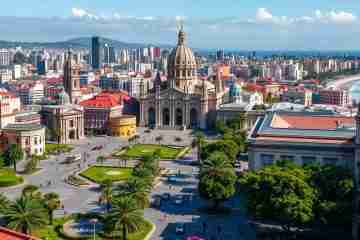
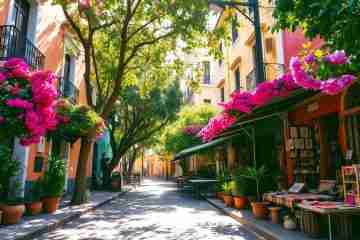
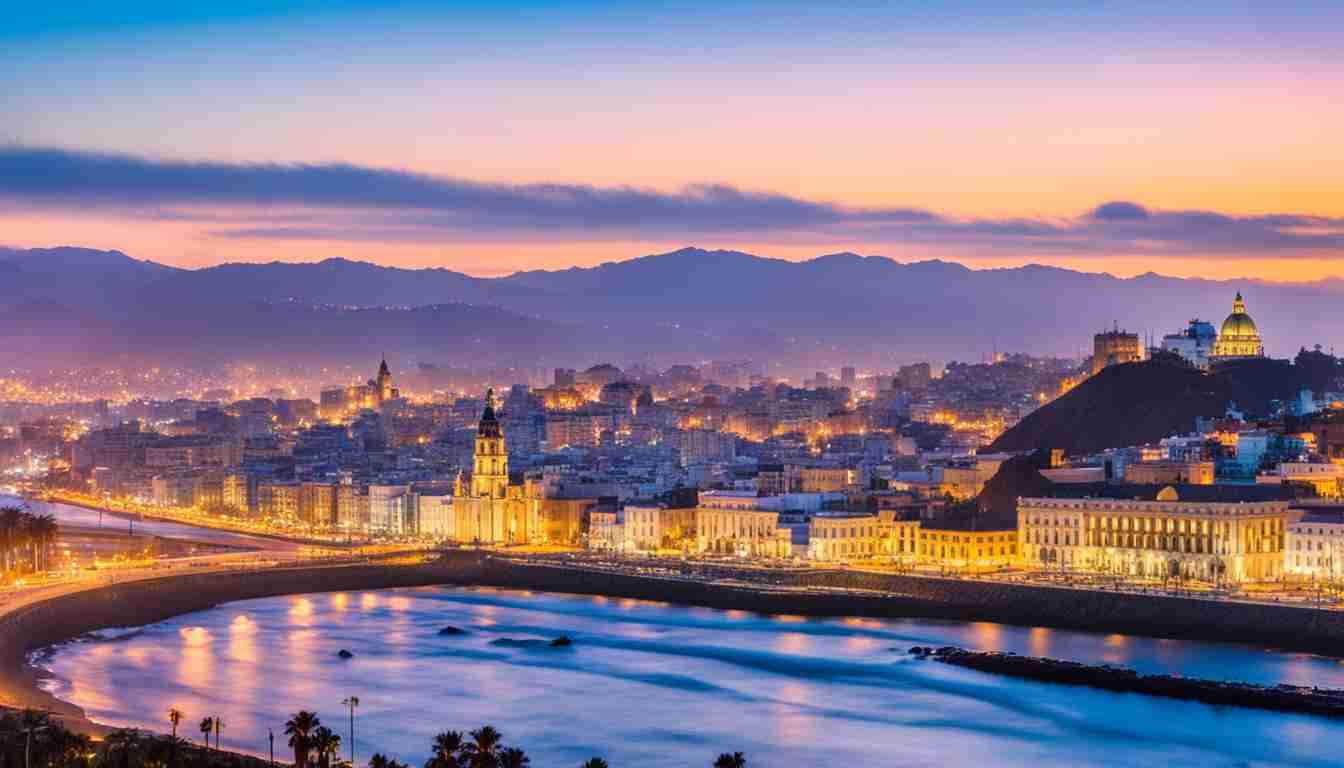
Lima, the vibrant capital of Peru, is a place where history meets culture. It’s a city full of ancient ruins and colonial architecture. Visitors can dive into Lima’s rich past by visiting historical sites and landmarks.
At the heart of Lima lies its colonial heritage. You can see this at the Plaza de Armas, an iconic landmark. Museums and cultural centers are also there, showing off Peru’s art and literature.
The city’s markets and food scene give a peek into local life. This makes Lima a top spot for those interested in Peruvian culture and history.
Key Takeaways










- Lima’s downtown, a UNESCO World Heritage Site, offers a rich cultural and architectural tapestry that captivates visitors.
- The city’s iconic landmarks, such as the Plaza de Armas and historic churches, showcase the grandeur of Peru’s colonial past.
- Lima’s museums and cultural centers present extensive collections that span from pre-Columbian to contemporary art and history.
- The city’s thriving markets and renowned gastronomy provide a unique insight into the local way of life and culinary traditions.
- Lima’s diverse cultural influences, from indigenous to European and Asian, have shaped the city’s vibrant and multifaceted identity.
Lima’s Colonial Heritage
Lima’s history goes back to the 16th century when Spanish conquistador Francisco Pizarro founded it. He named it “La Ciudad de los Reyes” (The City of Kings). It became a key spot for trade and rule in the Spanish empire.
The city’s buildings show a mix of local, Moorish, Spanish Baroque, and Renaissance styles. This mix created the “Andean Baroque” style.
Historical Background of Spanish Colonization in Lima
In January 1535, Spanish conqueror Francisco Pizarro founded Lima. San Marcos University, the oldest in the Americas, started in 1551. During the colonial times, Lima was the heart of politics, administration, faith, and economy in the Viceroyalty of Peru.
Architectural Influences from the Colonial Era
The buildings in Lima’s UNESCO World Heritage site are from the 17th and 18th centuries. They show the Hispano-American Baroque style. This style mixes indigenous, Moorish, and Spanish designs, known as the “Andean Baroque.”
Important examples of this style are the Basilica Cathedral of Lima and the Monastery of San Francisco.
Key Landmarks and Buildings Representing Colonial Heritage
Lima’s old landmarks and buildings still stand today, like the Plaza Mayor. It’s surrounded by the Government Palace, the Archbishop’s Palace, and the Municipal Palace. Other sites include the Torre Tagle Palace, the House of Aliaga, and the Archbishop’s Palace.
Even with earthquakes and city growth, Lima’s historic center still shows its rich colonial heritage. It gives visitors a peek into its interesting past under Spanish colonization.
Plaza de Armas: Heart of Lima
The Plaza de Armas is known as the “Heart of Lima.” It’s a place full of history and life. Since 1535, it has seen many important events and celebrations.
It’s surrounded by beautiful buildings like the Lima Cathedral and the Government Palace. People love to come here to enjoy the food, see the architecture, and feel the city’s vibe.
The plaza is small but full of history. It’s about 140 square meters big. At its center is a fountain from the 17th century, adding to its charm.
Important buildings like the Government Palace and Casa Aliaga are here. Casa Aliaga is the oldest house in the Americas. The Municipal Palace has documents like the Declaration of National Independence.
The Plaza de Armas is more than just a historical spot. It’s a place full of culture. You can visit the Archbishop Palace and see the city’s colonial art. Or, you can go to the Lima Cathedral to learn about its history.
If you want to learn about Lima’s history, try its food, or just enjoy the atmosphere, the Plaza de Armas is the place to be. It’s the heart of this amazing city.
“The Plaza de Armas is not just a square, but a living embodiment of Lima’s enduring spirit and cultural legacy.”
Tourist Sites in Lima’s City Center
Lima’s city center is full of sites that show off the city’s rich culture. You’ll find famous landmarks and museums that tell the story of Peru’s history and art. These places help visitors understand and appreciate Peru’s amazing past and art.
Plaza San Martin
Plaza San Martin is at the heart of Lima’s historic area. It’s named after José de San Martin, Peru’s liberator. This plaza is a key spot for cultural events and community life. It’s a place every traveler should see.
Basilica y Convento Santo Domingo
The Basilica y Convento Santo Domingo is a famous religious site known for its beautiful Baroque design. Built in the 16th century, it lets visitors see Lima’s colonial history and Spanish influence.
Basilica y Convento San Francisco
The Basilica y Convento San Francisco is another important site in the city center. It’s a Franciscan convent and church with Baroque and Renaissance styles. It also has a big network of catacombs that held over 30,000 burials until 1808.
Magic Water Circuit Park
The Magic Water Circuit Park is a place that will amaze you. It’s the largest fountain complex in a public park, according to the Guinness World Records. With 13 fountains and stunning lights, it’s loved by both locals and tourists.
Larco Museum
The Larco Museum is a top spot for art and history lovers. It has a great collection of pre-Columbian art and artifacts. This museum gives a full view of Peru’s cultural heritage.
MALI Museum
The MALI Museum, or Museo de Arte de Lima, is another cultural highlight. It shows a wide range of Peruvian art over 3,000 years. From ancient Andean art to modern works, it’s a journey through time.
Presbítero Maestro Cemetery
For a quiet visit, check out the Presbítero Maestro Cemetery. This 19th-century cemetery is where many famous people in Lima are buried. It’s a peaceful place to learn about the city’s history and honor its cultural past.
“Lima’s city center is a treasure trove of captivating tourist sites that showcase the city’s rich cultural heritage.”
Main Square and Historic District
At the heart of Lima’s historic quarter lies the captivating Main Square, or Plaza Mayor. This large plaza is surrounded by colonial buildings with the Spanish style. You’ll see the Government Palace, the Archbishop’s Palace, and the Municipal Palace. These landmarks show off Lima’s rich culture.
Next to the Main Square, you can visit the House of Peruvian Literature and the Museum of the Torre Tagle Palace. These places give a peek into Peru’s cultural history. They are in the historic district, making them easy to find.
The Main Square and the historic district are perfect for anyone wanting to dive into Lima’s colonial buildings and culture. The mix of history, architecture, and lively streets makes it an experience you won’t forget.
“Lima’s historic center was declared a UNESCO World Heritage Site in 1988 due to its originality and high concentration of historic monuments constructed during the Spanish presence, making it a significant tourist destination.”
The Main Square and the historic district of Lima offer a mix of history, architecture, and culture. You’ll see grand colonial buildings and places like the House of Peruvian Literature and the Museum of the Torre Tagle Palace. This area invites visitors to explore Lima’s past and present.
Churches and Convents
Downtown Lima is filled with stunning churches and convents. Each has a deep history and beautiful architecture. These places let visitors see Lima’s spiritual and architectural past.
Basilica and Convent of San Francisco
The Basilica and Convent of San Francisco is a top spot. It has a Baroque look inside and out. Built in 1535, it has a library with 25,000 books, including 17th-century works.
Lima Cathedral
The Lima Cathedral is a beautiful building in the city’s heart. Work started in 1535, and the first mass was in 1540. It has been rebuilt many times because of earthquakes.
Church and Convent of Santo Domingo
The Church and Convent of Santo Domingo go back to the late 16th century. They’ve been rebuilt after earthquakes. Here, you can see the skulls of famous Peruvian saints.
Church of San Agustín
The Church of San Agustín was rebuilt in the 1700s after the War of the Pacific. It shows how Lima has faced and overcome challenges.
These historic places show Lima’s lasting spiritual and architectural beauty. They draw visitors with their stories and beauty.
| Church/Convent | Architectural Highlights | Historical Notes |
|---|---|---|
| Basilica and Convent of San Francisco | Baroque facade and interior, library with 17th century baroque works | Constructed in 1535, houses around 25,000 volumes |
| Lima Cathedral | Reconstruction after earthquake damages | Construction began in 1535, first mass held in 1540 |
| Church and Convent of Santo Domingo | Rococo style, connected to Peruvian saints | Rebuilt multiple times following seismic events |
| Church of San Agustín | Rebuilt in 18th century after War of the Pacific | Represents Lima’s resilience to natural and man-made disasters |
Museums and Cultural Centers
Lima’s city center is full of culture, with many museums and centers. They show off Peru’s art and history. You can see everything from Peruvian art at the Lima Art Museum (MALI) to the country’s history at the National Museum. It’s a great way to dive into Lima’s culture.
Lima Art Museum (MALI)
The Lima Art Museum (MALI) has a huge collection of Peruvian art. It covers from before the Spanish came to today’s art. You can see many different types of art that show what makes Peru special.
National Museum
The National Museum gives a full view of Peru’s history and culture. It has lots of artifacts, documents, and exhibits. You’ll learn a lot about Peru’s past and its traditions.
Spanish Cultural Center in Lima (CCE Lima)
The Spanish Cultural Center in Lima (CCE Lima) celebrates the link between Spain and Peru. It has art shows, movies, and events. This center helps keep the connection between the two countries alive.
Inca Garcilaso Cultural Center
The Inca Garcilaso Cultural Center is in an old building. It tells about Peru’s past before the Spanish came and the effect of the Spanish rule. You can see exhibits on the old days and the Spanish influence.
Contemporary Art Museum (MAC Lima)
The Contemporary Art Museum (MAC Lima) is all about modern art. It has works by famous Peruvian artists. This museum shows how art in Peru is changing and growing.

“Lima’s museums and cultural centers offer a rich tapestry of artistic and historical treasures, inviting visitors to immerse themselves in the diverse cultural heritage of Peru.”
Lima cultural sites
Lima, the vibrant capital of Peru, is a city that blends its rich culture with modern vibes. Visitors can explore the city’s amazing Lima cultural sites. They can dive into the Peruvian heritage, architecture, museums, markets, and gastronomy.
The iconic Plaza de Armas is a key spot in Lima’s historic center. It’s surrounded by beautiful colonial architecture. Here, you’ll find the Lima Cathedral and the Government Palace. They show off the city’s Spanish colonial past.
There’s more to see in Lima’s city center. The Basilica y Convento de San Francisco stands out with its colonial architecture. It has detailed facades and underground tunnels with the remains of early settlers. The Larco Museum and the Museum of Art of Lima (MALI) display Peru’s art and culture. They feature everything from pre-Columbian artifacts to modern art.
For a taste of Peruvian gastronomy, check out the Central Market of Lima. Here, you can try local foods and feel the city’s lively food scene.
Lima has ancient ruins, colonial architecture, world-class museums, and authentic culinary experiences. Its cultural sites offer a wide range of things to explore. They invite visitors to see the heart and soul of this amazing Peruvian city.
“Lima is a city that seamlessly blends its rich cultural heritage with a vibrant modern energy.”
Traditional Markets and Gastronomy
Lima’s traditional markets and local food are key to the city’s culture. The Central Market of Lima has been around for over a century. It’s a place where you can see the heart of Peruvian food. You’ll find everything from tropical fruits to seafood and exotic spices.
This market takes you on a journey of the senses. It’s not just about the sights and smells. It’s a full experience that lets you taste the flavors of Peru.
In Lima’s downtown, there are many traditional restaurants. They serve dishes like ceviche, lomo saltado, and ají de gallina. These dishes show the mix of indigenous, European, and Asian flavors in Peruvian food.
Street Food Stalls: A Taste of Peruvian Culinary Diversity
Lima’s street food is another must-try. You can enjoy snacks like beef heart skewers and sweet doughnuts. These stalls show off the creativity and variety of Peruvian food.
| Central Market of Lima | Traditional Restaurants | Street Food Stalls |
|---|---|---|
| Over a century of history, showcasing a wide variety of fresh produce, seafood, and exotic spices | Serving iconic Peruvian dishes like ceviche, lomo saltado, and ají de gallina | Offering delectable snacks like anticuchos (beef heart skewers) and picarones (sweet doughnuts) |

Whether you’re at the Central Market, eating at a traditional restaurant, or trying street food, Lima’s food scene is amazing. It’s a way to see Peru’s rich culture and food diversity.
Conclusion
Exploring Lima’s rich cultural heritage and historical landmarks is an exciting journey. It shows the depth and diversity of Peruvian culture. The city has everything from stunning colonial architecture to world-class museums and a lively gastronomic scene.
Visitors can enjoy the beauty of the Plaza de Armas or dive into the spiritual world of Lima’s churches and convents. You can also taste the famous local gastronomy. Lima is a key place for anyone wanting to learn about Peruvian history, art, and traditions.
The Museo de Arte Lima (MALI) is huge, with over 4,500 square meters and over 40,000 students in its workshops. The Museo Larco (Larco Museum) has the biggest collection of pre-Columbian Peruvian jewelry and pottery. These cultural institutions show why Lima is a top spot for cultural tourism. Being a UNESCO World Heritage Site adds to its historical value.