Machu Picchu is a hidden gem in the Andes Mountains of Peru. It’s a UNESCO World Heritage Site and one of the New Wonders of the World. This guide will help you plan your trip to this ancient Inca city.
Learn how to get the right visas and shots. Find out about the best ways to get there. You can hike the famous Inca Trail or take the train. Either way, you’ll see stunning views and learn about the site’s rich history.
Key Takeaways
- Machu Picchu is a UNESCO World Heritage Site and one of the New Wonders of the World
- The site is accessible by train or various trekking routes, offering visitors a chance to experience the Andean landscapes and Incan history
- This guide covers essential information for planning a trip to Machu Picchu, including visa requirements, vaccinations, and transportation options
- Visitors can choose between guided tours or independent exploration to discover the site’s key attractions and cultural heritage
- Accommodations and dining options in the nearby town of Aguas Calientes provide a well-rounded Machu Picchu experience
Introduction to Machu Picchu: A Wonder of the World
Machu Picchu sits high in the Andes Mountains of Peru. It’s a breathtaking site that has amazed travelers for years. Found by American explorer Hiram Bingham in 1911, this lost city of the Incas is a true marvel. Its stunning mountain backdrop and well-built stone structures give a peek into the Incan civilization’s history and engineering.
History and Significance
Machu Picchu was built in the 15th century for the Inca emperor Pachacuti. Its location, high on a ridge overlooking the Urubamba River, was perfect for a retreat and administrative center. The site has over 100 stone structures, like temples and homes, showing the Incas’ skill in building and their bond with nature.
Unique Features of the Site
- The Intihuatana, an intricately carved stone that served as an astronomical calendar and ritual site for the Incas
- The Royal Tomb, where over 100 skeletons were discovered, offering insights into Incan burial practices and social hierarchy
- The advanced aqueduct system, which demonstrates the Incas’ engineering prowess and their ability to harness natural resources
Machu Picchu’s amazing preservation and location in the Andes have made it a UNESCO World Heritage site and one of the new seven wonders of the world. Exploring this machu picchu tours site is like stepping back in time to the Inca Empire’s peak. It’s a deep dive into peruvian history.
Preparing for Your Visit
Planning your trip to Machu Picchu is exciting. It’s important to know the best time to go and what to pack. This guide will help you get ready for an amazing adventure at this ancient wonder.
Best Time to Visit Machu Picchu
The dry season, from April to October, is the best time to see Machu Picchu. April, May, September, and October have the best weather. Temperatures are between 60°F and 75°F, perfect for exploring.
But, June to September is the busiest time. So, book early to get the dates and times you want.
Travel Essentials to Pack
- Comfortable, well-fitted hiking shoes or boots
- Sun protection, including a hat, sunglasses, and high-SPF sunscreen
- Lightweight, breathable layers to accommodate changes in weather
- Reusable water bottle and snacks to keep you energized
- Camera and extra batteries or portable chargers
- Altitude sickness medication, as Machu Picchu sits at an elevation of nearly 8,000 feet
Obtaining Required Permits
Getting permits for Machu Picchu is a must. Book them early, as they sell out fast, even for the Inca Trail. The site limits visitors to 2,500 a day, with strict entry times.
Look into different ticket options. Choose between Machu Picchu Only, Machu Picchu + Huayna Picchu, or Machu Picchu Mountain. Plan your visit based on these choices.
With these tips, you’re ready for an unforgettable trip to Machu Picchu. Enjoy the machu picchu travel guide and the rich history and culture of this Inca citadel.
Getting There: Transportation Options
Getting to Machu Picchu in Peru needs some planning, but it’s worth it. You can take a scenic train ride or a tough trek. There are many ways to get to Machu Picchu for your adventure.
Flights to Cusco
First, fly into Cusco, the closest big airport to Machu Picchu. From Lima, many airlines have daily flights to Cusco, which is over 11,000 feet high. It’s important to get used to the high altitude, so spend a few days in Cusco before visiting Machu Picchu.
Train Services to Machu Picchu
In Cusco, the train is the most popular way to get to Machu Picchu. Companies like Inca Rail, Peru Rail, and Belmond Hiram Bingham offer train rides. The trip to Aguas Calientes, near Machu Picchu, is beautiful. But, train tickets often sell out early, so book early, even months in advance.
Alternative Trekking Routes
- The classic Inca Trail, a 4-day hike, is a favorite for the bold, but spots are limited and must be booked early.
- Other treks, like the Salkantay Trek and the Inka Jungle Trek, offer different paths and challenges. They last 4-5 days and cost between $250 to $450 per person.
Choose your travel method wisely and book early to ensure a great Machu Picchu visit. Planning ahead is crucial, more so during the busy season from May to September.
Exploring the Site: Key Attractions
Machu Picchu, the Inca’s crown jewel, is full of amazing features. It takes visitors back in time. The site’s most famous spots include the
Sun Gate (Inti Punku)
, which gives a stunning view of the whole citadel. It was not just for controlling access but also for watching the sun during solstices.
Don’t miss the
Temple of the Sun
. It shows the Incas’ deep understanding of astronomy. This round building was made to catch the sun’s rays on the summer solstice.
Walking the
Inca Trail Highlights
is a unique experience. It lets visitors follow the Inca Empire’s path. Along the way, see the Wiñay Wayna ruins and the Chachabamba, an old Inca checkpoint.
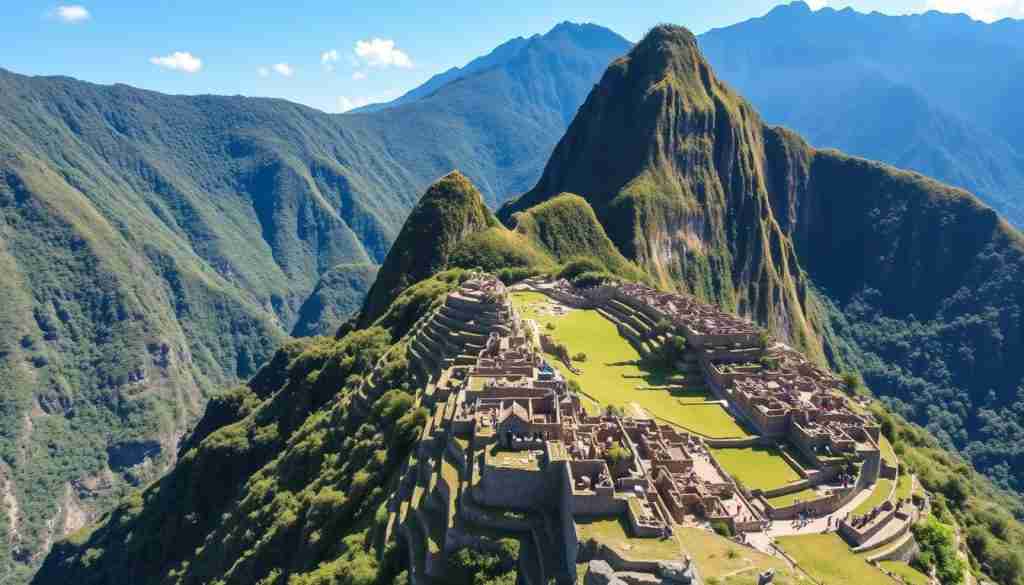
“Machu Picchu is the most visited tourist attraction in Peru, showcasing the Incas’ architectural and engineering prowess.”
For a breathtaking view, climb Huayna Picchu. But, you need to book in advance. The site is busiest between 11 am and 3 pm. Visiting early morning or late afternoon is quieter and more peaceful.
Guided Tours vs. Independent Exploration
Planning your trip to Machu Picchu means deciding between a guided tour or going solo. Each choice has its own benefits and things to think about for the adventurous traveler.
Benefits of Guided Tours
About 65% of travelers like guided tours for their structured experience and deep understanding of a place. Guides share their knowledge, adding history and insights that solo travelers might miss. They also take care of the details like transportation and entrance fees, making it easier for newcomers or those short on time.
Pros and Cons of Solo Travel
More than 70% of travelers choose to explore on their own, enjoying the freedom to go at their own pace. Solo travel can be cheaper, but you’ll need to watch your spending closely. It also means you’re responsible for your own safety and planning, which can be a challenge, like at Machu Picchu.
Guided and self-guided tours both offer ways to explore Machu Picchu and learn about its culture. They cater to machu picchu tours, peru travel guide, and adventure travel fans. Your choice depends on your travel style, budget, and how much support you want during your Peru travel guide adventure.
Understanding Incan Culture and History
Machu Picchu, the legendary lost city of the Incas, offers a captivating window into the rich cultural legacy of the ancient Peruvian history. The Inca Empire, centered in Cusco, showcased their advanced knowledge in architecture, agriculture, and astronomy.
Ancient Civilization Overview
Machu Picchu was built around 1460 by Pachacuti, the first imperial ruler of the Inca Empire. It served as a royal retreat and summer palace for the Inca elite. The site was active for less than 100 years before the Spanish conquest.
The ancient ruins of Machu Picchu feature over 300 objects of gold, silver, ceramic, bone, and textile. These objects provide a glimpse into the Incas’ sophisticated cultural practices and traditions.
Cultural Practices and Traditions
The Inca civilization emerged as a fusion of existing tribes and cultures. They adopted aspects of earlier Andean civilizations. Their expansive Inca road system, known as Capac-ñan, ran for over 1,500 miles, connecting the empire’s administrative centers.
Machu Picchu’s strategic location and religious significance highlight the Incas’ remarkable achievements. These achievements have left an indelible mark on Peruvian history and culture.
| Key Facts About Machu Picchu | Details |
|---|---|
| Discovery | Discovered in 1911 by Hiram Bingham during his expedition in Peru |
| Location | Approximately 50 miles (80 kilometers) northwest of Cusco City, at an altitude of about 7,970 feet (2,430 meters) |
| Construction | Built around 1460 by the first imperial ruler of the Inca Empire, Pachacuti |
| Purpose | Served as a royal retreat or country palace used by the Inca Emperor Pachacuti and his guests for relaxation, feasting, hunting, and ritual activities |
| Visitor Restrictions | Tourists visiting Huayna Picchu are limited to 400 visitors per day due to conservation efforts |
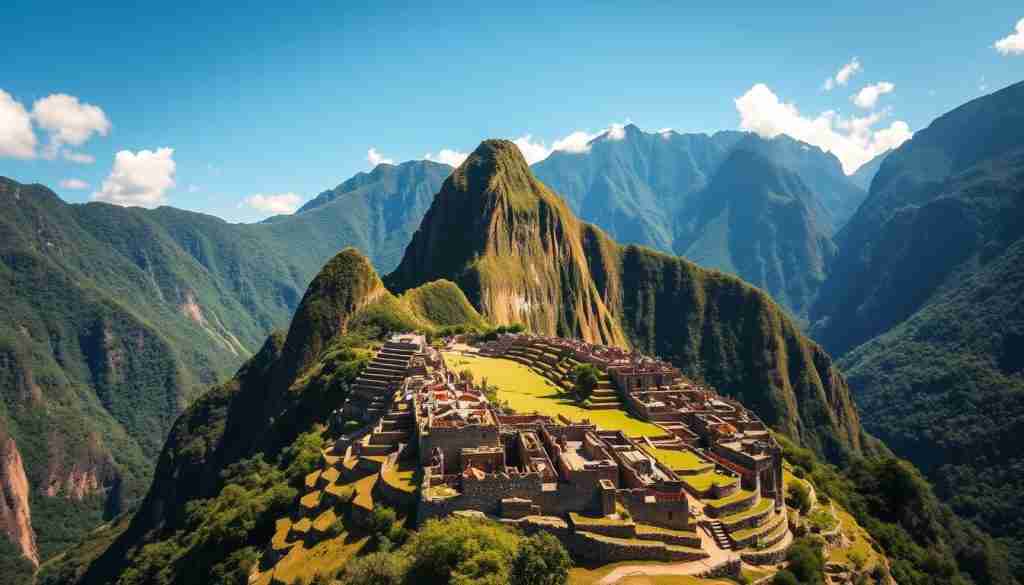
“Machu Picchu was a strategic location during the wars in Vilcabamba between 1537 and 1572.”
Understanding the rich Incan culture and history that Machu Picchu represents enhances the visitor’s appreciation of this awe-inspiring lost city of the Incas. Exploring the site’s architectural marvels, spiritual practices, and the legacy of the Inca civilization provides a profound connection to the past. It also deepens our understanding of Peru’s enduring cultural heritage.
Accommodations: Where to Stay
Machu Picchu and its areas offer many places to stay. You can find luxury hotels or cozy lodges. These options are perfect for anyone wanting to explore this ancient site.
Hotels in Aguas Calientes
Aguas Calientes is at the base of Machu Picchu. It’s a favorite spot for visitors. But, staying here can be pricey, with costs 25% higher than in the Sacred Valley or Cusco.
El Mapi by Inkaterra has comfy rooms near the bus station. The Machu Picchu Sanctuary Lodge is right at the entrance. It offers early access to the ruins.
Unique Lodging Options Nearby
For a deeper experience, try eco-lodges or guesthouses in the Sacred Valley. These places show off local culture and offer amazing views. Inkaterra Hacienda Urubamba and Belmond Hotel Rio Sagrado are great choices. Trekking lodges along the Inca Trail are also worth considering.
Tips for Choosing Accommodation
- Think about location, close to transport and Machu Picchu.
- Look at what the place offers, whether it’s luxury or a real experience.
- Check out the views and nature around, as many places have stunning views.
- Read reviews to make sure you’ll have a good stay.
Whether you’re on a tight budget or looking for luxury, there’s a place for you near Machu Picchu. Your stay will make your trip even better.
Dining Options Around Machu Picchu
Peruvian cuisine is famous for its rich flavors and ingredients. Around Machu Picchu, you’ll find everything from traditional Andean dishes to modern fusion foods. It’s a true culinary adventure.
Local Cuisine Must-Trys
Make sure to try the local specialties in Machu Picchu. Some top dishes include:
- Ceviche – Fresh, marinated seafood
- Lomo Saltado – Stir-fried beef with onions and tomatoes
- Alpaca Steak – Tender, flavorful meat from the Andean camelid
Recommended Restaurants in Aguas Calientes
Aguas Calientes, at Machu Picchu’s base, has many dining spots. Here are some highlights:
| Restaurant | Cuisine | Average Cost |
|---|---|---|
| Indio Feliz | Peruvian with French Influences | $30 |
| El Mapi Restaurant | Peruvian | $25 |
| Ylla Fusion | Peruvian Fusion | $20 |
For a real local taste, try the chicharrones (fried pork) on Aguas Calientes’ streets on Sundays.
The Sacred Valley, near Machu Picchu, also has great places to eat. They use fresh, local ingredients and traditional recipes.
“Peru has been selected as the World’s Leading Culinary Destination for the past 5 consecutive years starting from 2012 by the World Travel Awards organization.”
Tips for a Memorable Experience
To truly experience Machu Picchu, go early in the morning or late in the afternoon. The light is soft, and there are fewer people. This makes it perfect for machu picchu photography.
When you’re there, remember to respect the site. Stay on the paths, don’t touch the ruins, and follow all rules. This helps keep Machu Picchu sacred.
Make sure to travel sustainably in the sacred valley. Take your trash with you, use a reusable water bottle, and support local shops in Aguas Calientes. Also, visit other Incan sites in the Sacred Valley. This spreads out the tourism and lets you learn more about the area’s history.
By following these tips, you’ll have a meaningful and respectful visit. Enjoy the site’s energy, take amazing photos, and leave a good mark on this incredible Wonder of the World.


