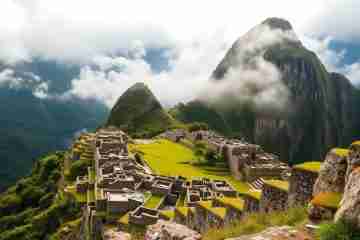
Peru is a treasure trove of travel experiences. You can explore ancient Incan ruins or dive into vibrant cities. The stunning natural landscapes are breathtaking.
Must-see spots include Lima, Cusco, the Sacred Valley, Machu Picchu, and Lake Titicaca. Whether you’re into a 10-day trip or a 2-week adventure, Peru has something for everyone. You’ll get to experience the country’s rich history, amazing archaeological sites, and vibrant culture.
Key Takeaways
- Peru offers diverse travel experiences, from ancient Incan ruins to vibrant cities and stunning natural landscapes.
- Popular destinations include Lima, Cusco, Sacred Valley, Machu Picchu, and Lake Titicaca.
- Itineraries typically range from 10 days to 2 weeks, covering major attractions and allowing for cultural immersion.
- Peru’s rich history, archaeological sites, and culinary delights make it a captivating destination for travelers.
- Customizable itineraries cater to a variety of interests, from adventure seekers to cultural enthusiasts.
Understanding Peru’s Geographic Diversity
Peru’s geography is truly amazing, offering a chance to explore different landscapes and ecosystems. From the sunny coastal regions to the Amazon rainforest, Peru is full of natural wonders.
Coastal Region and Desert Landscapes
The Peruvian coastline is over 3,000 miles long, filled with fresh seafood and lively fishing towns. Lima, the capital, and Huacachina, a desert oasis, are highlights. Here, you can enjoy dune buggy rides and sand boarding.
Andean Highlands and Sacred Valley
The Andean highlands are the heart of Peru’s culture. Cusco and the Sacred Valley are famous for their Inca ruins. Exploring here connects you deeply with Peru’s history.
Amazon Rainforest Region
The Amazon rainforest covers nearly half of Peru. It’s a place of indigenous tribes, wildlife, and adventure. Activities like river cruises and hikes through the foliage are unforgettable.
Peru’s diversity lets you see different climates and landscapes in one country. Whether you love the coast, the Andes, or the Amazon, Peru will impress you.
“Peru is a land of contrasts, where the ancient and the modern coexist in a breathtaking tapestry of natural beauty and cultural richness.”
Best Time to Visit Peru
Planning your inca trail treks or lima sightseeing in Peru needs careful thought. The best time to go depends on where you want to go and what you like to do.
The dry season, from May to September, is the peak time to visit Peru. It’s perfect for hiking the Inca Trail and seeing places like Machu Picchu. The coastal areas, like lima sightseeing, are also nice and cool during these months.
- The Amazon region is good all year, but it’s driest from June to September.
- The Andes highlands, including Cusco, get chilly in the winter months (June to August). But it’s also the driest time, great for hiking.
- The wet season from November to April brings lots of rain, especially in the Amazon and Andean regions. This can make some places hard to reach.
When planning your inca trail treks or lima sightseeing in Peru, think about crowds, prices, and weather. This will help you have the best trip.
“Peru’s diverse geography means there’s no single ‘best’ time to visit – it depends on your travel goals and interests.”
Essential Peru Travel Itinerary Suggestions
Peru has many travel options for different tastes and schedules. You can choose from a 10-day classic route or a 2-week adventure. There’s something for every traveler in Peru.
Classic 10-Day Route
A 10-day trip in Peru covers Lima, Cusco, the Sacred Valley, and Machu Picchu. It’s perfect for those short on time. You’ll dive into Peru’s culture and see the amazing Inca ruins.
Extended 2-Week Journey
A 2-week trip lets you explore more of Peru. You can see Lake Titicaca or go on an Amazon rainforest adventure. It’s a great way to really experience Peru.
Adventure Seeker’s Path
Peru is great for those who love adventure. Try the Inca Trail or Salkantay Trek to Machu Picchu. These paths offer stunning views and a chance to connect with nature.
No matter what you like, Peru has an itinerary for you. You can focus on culture, hiking, or food. A trip to Peru is unforgettable.
“Peru is a treasure trove of ancient wonders, breathtaking landscapes, and vibrant cultural experiences. Crafting the perfect itinerary is the key to unlocking the true essence of this captivating destination.”
Lima: Gateway to Peruvian Culture
Lima, the capital of Peru, is the main entry for visitors. It’s a mix of old colonial buildings, new areas, and famous peruvian cuisine. You can see the old center and the trendy Miraflores area to really get to know Peru’s culture.
The historic center of Lima is a UNESCO World Heritage Site. Here, you’ll find the Plaza de Armas, the Cathedral of Lima, and the Government Palace. Walking through the streets, you’ll see beautiful colonial buildings and feel the city’s energy.
Miraflores is modern Lima, full of life and great lima sightseeing spots. The Malecón is a beautiful walkway with views of the Pacific. Don’t miss trying the food at Maido and Central, known worldwide for their peruvian cuisine.
Lima has more than just buildings and food. Visit the Miraflores Indian Market for local crafts and souvenirs. The Huaca Pucllana is a pre-Incan site that shows Lima’s ancient past.
Whether you want to see old Lima, try its food, or learn about its culture, Lima is a great start. Spend at least a day here before seeing more of Peru.
Sacred Valley and Cusco Experience
The Sacred Valley and Cusco are in the Andes’ heart. They mix Incan history, culture, and beautiful landscapes. Cusco, the Incan Empire’s former capital, is a great place to start your journey.
Exploring Pisac and Its Markets
Pisac is a charming town with amazing Incan ruins and markets. Walk its cobblestone streets and see colorful textiles and ceramics. You can also talk to local artisans and learn about their culture.
Ollantaytambo Archaeological Site
Ollantaytambo is a preserved Incan town. It’s a dream for history lovers. See the stone terraces and ancient fortress. It’s amazing to think about the Incas’ engineering skills here.
Cusco City Highlights
Cusco, the Incan Empire’s capital, is a must-see. Its streets mix Spanish and Incan styles. Explore plazas, museums, and markets to dive into Cusco’s culture. Don’t miss Sacsayhuamán ruins outside the city.
The Sacred Valley and Cusco offer culture, adventure, and Incan history. Spend 3-4 days to fully enjoy its beauty.
| Destination | Highlights |
|---|---|
| Pisac |
|
| Ollantaytambo |
|
| Cusco |
|
“The Sacred Valley and Cusco region offer a captivating blend of Incan history, vibrant culture, and stunning natural landscapes. A must-do on any Peru itinerary.”
Machu Picchu Adventure Options
Machu Picchu, the famous Incan citadel, offers many exciting adventures. You can take the train from Ollantaytambo or go on machu picchu tours and inca trail treks. There’s something for every traveler.
Classic Inca Trail Trek
The classic 4-day Inca Trail to Machu Picchu is a dream for many. It takes you through beautiful Andean landscapes and ancient ruins. It ends at the amazing Machu Picchu. Because it’s so popular, you need to book it early.
Alternative Trekking Routes
If you want to avoid the crowds, try the Salkantay Trek or the 1-day Inca Trail. These paths offer different views, from high mountains to cloud forests. They’re less crowded than the classic Inca Trail.
Scenic Viewpoints
- Hike Huayna Picchu Mountain for a panoramic view of Machu Picchu from above.
- Climb Machu Picchu Mountain (Macchupicchu) for a different vantage point of the ruins.
- Explore the recently opened Huchuy Picchu route for a less-crowded perspective.
Choose your route, but spend at least one day exploring Machu Picchu. You can also stay overnight in Aguas Calientes for a deeper experience.
| Activity | Duration | Difficulty | Cost |
|---|---|---|---|
| Classic Inca Trail | 4 days | Challenging | $1,845 |
| Salkantay Trek | 5-7 days | Moderate to Challenging | $1,075 – $3,450 |
| 1-day Inca Trail | 1 day | Moderate | $42 – $20 (student/minor) |
| Huayna Picchu Hike | 2-3 hours | Moderate to Challenging | Separate ticket required |
| Machu Picchu Mountain | 2-3 hours | Moderate to Challenging | Separate ticket required |
| Huchuy Picchu | 3-4 hours | Moderate | Separate ticket required |
There are many ways to see Machu Picchu. Plan your trip based on your fitness, time, and what you like. Whether you hike the Inca Trail or choose a less crowded path, Machu Picchu will amaze you.

“Machu Picchu is one of the most awe-inspiring archaeological sites in the world. The combination of its stunning natural setting and the mystery of the Inca civilization make it an unforgettable experience.”
Lake Titicaca and Southern Peru
The puno lake titicaca is a high-altitude wonder in the Andes. It’s a must-see on any peru travel itinerary suggestions. At 3,800 meters (12,500 feet) above sea level, it’s the highest lake you can sail on.
Floating Islands of Uros
The Uros Islands on Lake Titicaca are truly magical. They’re made from totora reeds that float on the lake. You can visit these islands, learn about the Uros people, and even ride a reed boat.
Taquile and Amantani Islands
Taquile and Amantani Islands are also highlights of Lake Titicaca. These islands are a window into Andean culture. You can stay with a local family and see their traditional textiles and farming.
| Destination | Highlights | Duration |
|---|---|---|
| Uros Floating Islands | Unique man-made reed islands, traditional boat rides | Half-day |
| Taquile Island | Explore Inca ruins, see traditional textile weaving | Full-day |
| Amantani Island | Immersive cultural homestay, pre-Incan archaeological sites | Overnight |
Puno is the best place to start your journey to puno lake titicaca. You can get there by bus or train from Cusco. Spend 2-3 days to see the lake and its islands. Enjoy the stunning views and learn about the local culture.
Amazon Rainforest Expeditions
The Peruvian Amazon is a true natural wonder. It offers a diverse array of wildlife and ecosystem experiences. Puerto Maldonado and Iquitos are two popular entry points into this remarkable region. Each offers unique opportunities to immerse yourself in the heart of the jungle.
At the Posada Amazonas Lodge, guests enjoy spacious rooms averaging 45 square meters. There’s a staff-to-guest ratio of 1 guide per 10 visitors. This ensures personalized attention during guided excursions. Activities include three daily meals, tea, and coffee, plus guided explorations and transfers to and from the airport.
- Witness the resident family of nine giant river otters at the Tres Chimbadas Oxbow Lake. There’s a 60% chance of sighting these captivating creatures.
- Embark on a 35-meter-high Canopy Tower at Refugio Amazonas. It offers a unique bird’s-eye view of the surrounding rainforest.
- Contribute to the Wired Amazon program through activities like Aerobotany, AmazonCam, and Discovering New Species.
For a more immersive experience, the Refugio Amazonas offers a 10:1 guide-to-guest ratio. This allows for personalized service and attention during your Amazon adventure. Set up camera traps for the AmazonCam project. Capture images of the diverse wildlife. Witness the vibrant colors of the Macaw Clay Lick, home to Green-winged, Scarlet, and Blue-and-gold Macaws.
“The Amazon rainforest is a true natural marvel, and exploring it is a once-in-a-lifetime experience.”
As your Amazon expedition comes to a close on the third day, depart from Refugio Amazonas. Take a flight back home. Carry with you the unforgettable memories of your journey through this enchanting ecosystem.

Transportation and Logistics
Traveling through Peru means you need to plan your transport well. Whether you’re following a Peru travel itinerary suggestions or exploring Cusco city guide, knowing your transport choices is key.
Domestic flights are a top pick for getting between big cities like Lima, Cusco, and Iquitos. They’re quick and easy, but can cost more, especially when lots of tourists are around.
Trains are a beautiful way to see the sights, especially on the trip from Cusco to Machu Picchu. Getting the Peru Rail Tourist Pass can make your train trips more flexible.
For cheaper travel between cities, buses are a good choice. They have good roads and comfy seats. In cities, taxis and ride-sharing services make getting around easy.
| Transportation Option | Advantages | Considerations |
|---|---|---|
| Domestic Flights |
|
|
| Trains |
|
|
| Buses |
|
|
| Local Transportation |
|
|
When planning your Peru travel itinerary suggestions, think about how you’ll get around. Booking in advance, especially when lots of tourists are around, is a good idea. Travel companies can help with planning and getting to hard-to-reach places, making your trip smooth.
With many transport options, you can easily follow your Cusco city guide and see all of Peru’s wonders.
Cultural Experiences and Local Cuisine
Peru is a treasure trove of cultural experiences and famous cuisine. Dive into the lively markets of Peru, like San Pedro Market in Cusco or Surquillo Market in Lima. Here, you’ll find local products and handmade goods. Talking to the vendors lets you feel the true spirit of Peruvian culture.
Traditional Markets and Shopping
Peruvian food has made a big splash globally, with roots going back a thousand years. Try dishes like ceviche, lomo saltado, and pisco sour. These are staples of Peruvian food.
Think about taking a cooking class or going on a food tour. This will help you learn more about Peruvian cooking. You’ll get to try unique ingredients like quinoa and alpaca meat. And you’ll see how different regions have their own twists on classic dishes.
Peruvian Gastronomy Highlights
Peru’s food scene is just the start. The country’s festivals and cultural events show off its rich heritage. You can see traditional dances, music, and rituals that have been passed down for generations.
Walking through Cusco’s colorful streets or visiting the floating islands of Lake Titicaca is unforgettable. Peru’s cultural diversity will stay with you long after you leave.