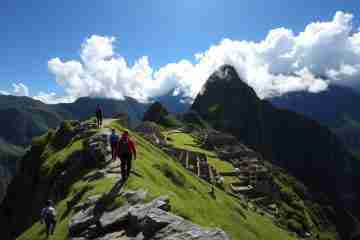
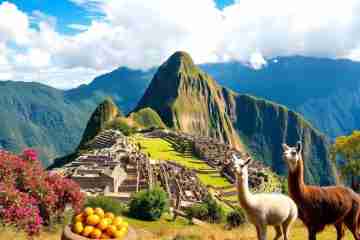
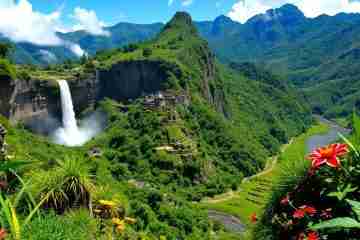
Peru is a captivating destination that draws in travelers with its iconic sites. You’ll find the majestic Machu Picchu, the lush Amazon Rainforest, and vibrant cities like Lima and Cusco. This South American nation is rich in history, has breathtaking landscapes, and a unique cultural heritage.
Whether you’re into exploring ancient Inca ruins, trying world-renowned cuisine, or diving into the country’s stunning biodiversity, Peru offers an unforgettable travel experience.
Key Takeaways
- Peru’s diverse geography includes coastal plains, the Andes Mountains, and the Amazon Rainforest, offering a wide range of ecosystems and experiences.
- The country is known for its ancient Inca legacy, vibrant culture, and exceptional cuisine, making it a top destination for cultural immersion.
- Travelers can explore iconic sites like Machu Picchu, the Amazon, and the Nazca Lines, as well as discover hidden gems and lesser-known destinations.
- Proper planning and preparation, including packing the right gear, understanding local customs, and navigating transportation, are key to a successful Peru adventure.
- Peru’s unique landscapes and high elevations require special considerations, such as acclimatization and staying healthy during the trip.
Best Time to Visit Peru
Planning a Peru trip means knowing the climate and best times to see top spots. Peru has coastlines, Andes mountains, and Amazon rainforest, each with unique seasons. Whether you want to see Machu Picchu or enjoy cultural festivals, the right time makes a big difference.
Exploring Seasons and Weather Patterns
The dry season, from May to October, is the best for outdoor adventures in the Andes. The skies are clear, and the weather is mild, perfect for trekking and visiting Machu Picchu. The rainy season, from November to April, brings more rain, especially in the Andes. But it also means fewer crowds and green landscapes.
Lima’s coastal areas have pleasant temperatures all year. Summer, from January to March, is the warmest and driest. The Amazon rainforest is warmer and more humid, with the wettest months being January to March.
Important Festivals and Events
- Inti Raymi: A vibrant celebration of the Inca sun god, held annually in Cusco during the June solstice.
- Fiestas del Cusco: A colorful festival showcasing Peruvian culture, music, and dance, taking place in Cusco from late June to early July.
- Lima Film Festival: A renowned international film festival held in the capital city, typically in August.
- Arequipa Carnival: A lively celebration with parades, music, and traditional dances, taking place in the city of Arequipa during the weeks leading up to Ash Wednesday.
When planning your trip, try to visit during these festivals. It will make your experience richer and let you dive into Peru’s lively culture.
Top Destinations in Peru
Peru is a captivating destination with a wide range of sights and experiences. From the towering Andes Mountains to the mysterious coastal desert, it’s a treasure trove of peru travel recommendations and peru travel insights. Let’s explore some top destinations for your Peruvian adventure.
Must-See Attractions in Lima
Lima, the vibrant capital, is a must-visit. Walk along the Malecón, a scenic promenade with stunning Pacific Ocean views. Explore the Larco Museum, home to the world’s finest pre-Columbian art. Don’t miss the city’s renowned culinary scene, filled with authentic Peruvian flavors.
Wonders of the Sacred Valley
The Sacred Valley lies between Cusco and Machu Picchu. Visit the ancient Inca ruins of Sacsayhuaman, with its massive stone walls. Discover vibrant traditional markets showcasing the region’s rich cultural heritage. The Sacred Valley is a testament to the Inca civilization’s legacy.
Discovering the Hidden Gems of Nazca
The Nazca Lines, a UNESCO World Heritage Site, are a must-see. These mysterious geoglyphs etched into the desert landscape have fascinated travelers for generations. Explore the Nazca archaeological sites to uncover the secrets of this pre-Columbian culture.
| Destination | Highlights |
|---|---|
| Cusco | Gateway to Machu Picchu, Inca capital, colonial architecture |
| Sacred Valley | Inca ruins, traditional markets, picturesque landscapes |
| Arequipa | Stunning colonial architecture, Santa Catalina Monastery |
| Colca Canyon | One of the world’s deepest canyons, Andean Condor sightings |
| Amazon Rainforest | Pristine wilderness, diverse wildlife, adventure experiences |
Peru offers many awe-inspiring destinations. Whether you’re interested in ancient ruins, natural wonders, or cultural immersion, Peru will leave a lasting impression. Start planning your peru travel recommendations today for an unforgettable adventure.
Essential Packing List for Peru
Getting ready for your Peru trip means thinking about what to pack. The country’s weather changes a lot, from the coast to the Andes. This guide will help you pack right for trekking or city adventures.
Clothing Considerations for Varying Climates
Peru has two main seasons. From November to April, it rains a lot. Pack light, breathable clothes for this time. Include long-sleeves, t-shirts, and pants or shorts.
A warm sweater and a good rain jacket are key. From May to October, it’s dry and sunny. Wear light, sun-protective clothes to stay cool.
Gear for Hiking and Outdoor Activities
Peru is great for outdoor lovers. For hiking or Amazon adventures, you’ll need special gear. Wear sturdy hiking boots, moisture-wicking socks, and quick-drying pants.
Bring a rain jacket, gloves, and a hat for weather changes. Essential items include a headlamp, a reusable water bottle, and a portable charger for your devices.
| Essential Packing Items | Quantity |
|---|---|
| Light sweaters | 3 |
| Heavy sweater | 1 |
| Tank tops | 2 |
| T-shirts | 3 |
| Wrinkle-free dress | 1 |
| Shorts | 1 pair |
| Jeans | 2 pairs |
| Rain pants | 1 pair |
| Rain jacket | 1 |
| Foldable down jacket | 1 |
| Gloves | 1 pair |
| Scarf | 1 |
| Hat | 1 |
Packing smart for Peru’s diverse climates and outdoor activities is key. You’ll enjoy your trip more with the right peru travel essentials and peru packing tips.
Cultural Etiquette in Peru
Exploring Peru’s rich culture needs careful steps. As you dive into this amazing country, knowing local customs and traditions can make your trip better.
Understanding Local Customs and Traditions
Respect is key when meeting Peru’s indigenous people. Wear modest clothes, especially at religious sites. Always get permission before taking photos, especially in rural spots.
Learn about the Coca leaf’s role in Andean culture. But remember, it’s illegal to take it out of Peru.
Peruvian culture values hand-dyed and woven textiles a lot. These take a lot of time and skill to make. Supporting local artisans helps communities, especially those struggling financially.
Greeting and Communication Tips
- Learn basic Spanish phrases like “Buenos días” (Good morning), “Por favor” (Please), and “Gracias” (Thank you).
- Peruvians often shake hands a lot, so be ready for this greeting.
- Bargaining is okay in markets, with taxi drivers, and even at hotels in Peru. So, feel free to negotiate.
- Peruvians usually show up 30 minutes late to personal meetings. So, plan ahead.
By following local customs and communicating with respect, you can make real connections. You’ll truly dive into the peru cultural tips and peru etiquette guide during your Peruvian journey.
Navigating Peru: Transportation Options
Peru has many ways to get around, making it easy to see this beautiful South American country. You can use public transport or fly within the country. Knowing your options can make your trip better and more fun.
Public Transport Systems
In big cities like Lima, Arequipa, Cuzco, and Trujillo, public transport is great. It lets you travel around the city for under S/4 (about US$1). For example, a 40km (25-mile) bus ride in Lima takes about two hours.
Taxis in these cities are easy to find and not expensive, costing less than US$4. In smaller towns, moto-taxis are a good choice. They cost no more than S/4.
Domestic Flights: What You Need to Know
Domestic flights are a good option for reaching places in Peru, especially where the terrain is tough. Airlines like StarPerú fly to cities like Cajamarca, Huanuco, Iquitos, Lima, Pucallpa, and Tarapoto. But, flights usually need a stop in Lima.
The Jorge Chávez International Airport in Lima is huge and well-connected. It gets flights from all over the world every day.
Try the Ferrocarril Central Andino train for a special experience. It goes up to 4782m (15,689ft) in the Andes. This train has been running since 1999, offering an exciting ride.
Remember to plan for altitude changes when traveling in Peru. Being prepared helps make your trip smooth and enjoyable.

Health and Safety Tips for Travelers
Traveling to Peru needs careful planning for your health and safety. These tips will help you enjoy your trip to Peru.
Staying Healthy on Your Trip
See a doctor before you go to get the right vaccinations. You might need shots for DTP, Hepatitis A and B, and yellow fever for the Amazon. Also, be ready for altitude sickness by drinking lots of water and protecting yourself from the sun.
Diarrhea is common in Peru. Bring oral rehydration salts and loperamide for stomach issues. Also, choose bottled water and be careful with street food to stay healthy.
Navigating Safety Concerns
Peru is mostly safe for visitors, but be careful. Don’t carry too much money and use a money belt in crowded places. Always use official taxis or trusted ride-hailing services at night.
Keep up with news about demonstrations and strikes that might affect your travel. Crime, like robberies and extortion, happens, so stay alert, especially in areas not many tourists visit.
Women traveling alone should watch out for harassment. Make sure to book taxis in advance and join group tours when you can.
By following these tips, you can have a safe and fun trip in Peru. Stay alert, be ready, and start your adventure!
Local Cuisine: What to Eat in Peru
Peruvian cuisine is a mix of flavors, showing the country’s rich culture. You’ll find dishes like ceviche and lomo saltado, which excite your taste buds. Peru is known for its food, winning top awards for five years.
Popular Dishes to Try
Trying Peru’s famous dishes is a must. Ceviche is a fresh mix of raw fish, citrus, and spices. Lomo saltado is a beef dish with Asian and Peruvian flavors. Don’t miss aji de gallina, a creamy chicken stew, and anticuchos, grilled beef heart skewers.
Finding Authentic Dining Experiences
To really experience Peruvian food, visit markets and family restaurants. In Lima, try La Mar Cevicheria and Pescados Capitales for amazing dishes. Outside Lima, try the fish stew in coastal areas or the tripe stew in the Andes.
Looking for tangy leche de tigre or crispy jalea? The peruvian food guide has many tasty options. Dive into Peru’s diverse flavors and enjoy its rich food culture.
“Peruvian cuisine is a fusion of indigenous Incan, Spanish, European, Asian, and West African influences, creating a unique and flavorful culinary experience.”
Adventure Activities in Peru
Peru is a paradise for adventurers, with many exciting outdoor activities. You can hike the famous Inca Trail or explore the Amazon rainforest. This Andean nation is perfect for peru adventure travel and peru outdoor activities.
Hiking the Inca Trail
The Inca Trail is a top adventure in Peru. It’s a 4-day trek to Machu Picchu. Along the way, you’ll see cloud forests, ancient ruins, and mountain passes.
Each turn offers stunning views. Make sure to book your Inca Trail permits early to secure your spot.
Exploring the Amazon Rainforest
The Peruvian Amazon is full of life and beauty. You can go on jungle treks, see wildlife on river cruises, and enjoy the quiet of this amazing place. From Iquitos, you can find many Amazon adventure tours.
| Adventure Activity | Highlights | Duration |
|---|---|---|
| Paragliding in Lima | Soar above the cliffs of Costa Verde with a height range of 80-180 meters | 1-2 hours |
| Surfing in Mancora | Ride the consistent, large waves along Peru’s northern coast | Varies |
| Hiking in Colca Canyon | Explore the world’s second-deepest canyon, with a depth of 3,400 meters | 2-3 days |
| Whitewater Rafting | Tackle thrilling Class III+ to Class V rapids on rivers like the Apurimac | 1-9 days |
Peru has many adventures, from hiking to water sports and wildlife. Whether you want excitement or a calm outdoor experience, Peru will meet your needs.
Currency and Budgeting for Your Trip
Planning your trip to Peru can be a bit tricky, but with the right tips, you can save money. The local currency is the Sol (PEN). You can easily get cash from ATMs in cities and tourist spots. It’s also wise to carry some cash for small purchases and in rural areas, even if credit cards are widely accepted.
Understanding the Peruvian Sol
The Peruvian Sol is the national currency. Currently, 1 USD is about 3.75 PEN. Knowing this can help you plan your budget and make smart spending choices in Peru.
Tips for Budgeting Your Adventure
- Accommodation: Prices vary from hostels (150-200 PEN per night) to luxury hotels (100 USD to 1,000 USD per night).
- Dining: Street food and casual restaurants offer meals for 10-20 PEN. A three-course meal at a mid-range place costs 60 PEN and more.
- Activities: Costs range from day trips to Machu Picchu (200 USD) to Nazca Lines helicopter tours (100 USD).
- Transportation: Domestic flights, buses, and taxis will all impact your budget.
The average daily cost in Peru is about 263 PEN (70 USD). This includes meals, local transport, and accommodation. Your actual costs will vary based on your travel style. By planning and understanding local costs, you can make a budget that suits your needs and ensures a memorable trip to Peru.

| Expense | Cost Range |
|---|---|
| Accommodation (private double room) | 150-200 PEN per night |
| Airbnb (private room) | 80-200 PEN per night |
| Luxury Accommodation | 100 USD to 1,000 USD per night |
| Street Food | 10 PEN per meal |
| Casual Takeaway Restaurant | 20 PEN per meal |
| Mid-Range Restaurant (3-course) | 60 PEN and up |
| Fast Food Combo Meal | 18 PEN |
| Large Pizza | 35-40 PEN |
| Bottled Water | 1.50 PEN |
| Cocktail | 20 PEN and up |
| Machu Picchu Day Trip | 200 USD |
| Nazca Lines Helicopter Tour | 100 USD |
| Inca Trail Multi-Day Trip | 500 USD and up |
| Museum Entrance Fees | under 5 USD |
| Cusco Boleto Turistico | 50 USD |
Understanding the local currency, costs, and your travel style can help you budget for your Peru trip. This way, you can enjoy your adventure without any financial surprises.
Language Tips: Spanish Phrases for Travelers
Exploring Peru’s vibrant culture is thrilling. Learning basic Spanish phrases can greatly enhance your trip. Spanish is the main language, with Quechua and Aymara used in some areas. Knowing essential Spanish expressions helps you navigate Peru and connect with locals.
Basic Spanish Phrases to Know
Knowing a few key phrases is crucial. It helps when greeting, ordering food, or asking for directions. Here are some useful phrases for your trip:
- Hola (OH-lah) – Hello
- Gracias (GRA-see-as) – Thank you
- Por favor (por fah-VOR) – Please
- ¿Habla inglés? (AH-blah een-GLAYS) – Do you speak English?
- ¿Dónde está…? (DON-day ES-tah) – Where is…?
- ¿Cuánto cuesta? (KWAN-toe KWES-tah) – How much does it cost?
Using Translation Apps on Your Trip
While learning phrases is helpful, a translation app is also a good idea. Apps like Google Translate and iTranslate offer offline mode and voice translation. They help you communicate and navigate Peru.
Even simple phrases like “gracias” or “por favor” can make a big difference. With practice and the right tools, you’ll master Spanish in no time.
| Common Spanish Greetings | English Translation | Pronunciation (Phonetics) |
|---|---|---|
| Hola | Hello | OH-lah |
| Buenos días | Good morning | BWEH-nohs DEE-ahs |
| Buenas tardes | Good afternoon | BWEH-nahs TAR-dehs |
| Buenas noches | Good evening | BWEH-nahs NOH-ches |
| Adiós | Goodbye | ah-DYOHS |
“There’s no better way to make a good impression in a new country than with pleasantries and polite greetings.”
Sustainable Travel Practices in Peru
Traveling in Peru means embracing sustainable practices. These help keep the country’s beauty and support local people. By being responsible, you make a positive difference and help Peru’s ecosystems thrive.
Leaving No Trace in Natural Areas
Peru boasts many natural wonders, like the Amazon rainforest and Andes mountains. It’s important to follow “Leave No Trace” when exploring. Stay on trails, dispose of waste properly, and respect the ecosystems.
Avoid products from endangered species or cultural artifacts. Also, don’t disturb wildlife during your adventures.
Supporting Local Communities
Traveling in Peru lets you connect with local communities and support them. Choose eco-friendly places to stay and tour operators that care about the environment. This helps the local people.
When buying souvenirs, look for authentic crafts made by Peruvian artisans. This way, your money goes directly to them. Try community-based tourism, like homestays or cultural experiences, to dive into Peru’s traditions.
By following peru eco-tourism and responsible travel peru practices, you make your trip more meaningful. Respect Peru’s nature and culture, and leave a positive mark on the places you visit.
“Sustainable tourism is not just about preserving the environment – it’s about empowering local communities and ensuring that the benefits of travel are shared equitably.” – Jane Goodall, Renowned Primatologist and Environmentalist
| Sustainable Travel Practices | Benefits |
|---|---|
| Staying in eco-friendly accommodations | Reduces environmental impact and supports local businesses |
| Choosing local tour operators and guides | Provides economic opportunities for the community and offers authentic experiences |
| Purchasing from local artisans and vendors | Supports the local economy and preserves traditional craftsmanship |
| Minimizing waste and energy consumption | Protects the natural resources and ecosystems of Peru |
Preparing for Altitude: What You Need to Know
Peru’s high-altitude spots, like Cusco at 3,399 meters (11,152 feet), are breathtaking. But, you must prepare for altitude sickness, or “soroche.” It’s vital for a great trip.
Acclimatization Tips and Techniques
Getting used to high altitudes is key. Spend at least a day or two in places like Cusco before going on adventures. Rest, drink lots of water, and skip heavy meals and booze to avoid sickness.
Recognizing Symptoms of Altitude Sickness
Altitude sickness can hit anyone, so watch for signs. Mild symptoms like headaches, nausea, and tiredness show up within 12-24 hours. If these get worse, go down in elevation and see a doctor.
Severe cases like HACE and HAPE need quick action. They can be life-threatening.