Explore the lush and captivating Peruvian Amazon rainforest with our travel guide. It’s perfect for those looking for an amazon rainforest tour, a stay at a rainforest lodge, or a thrilling adventure. You’ll learn about the stunning biodiversity, immerse in indigenous cultures, and discover the secrets of the rainforest hikes and eco-lodges.
From the remote amazon river cruises to the wildlife-rich manu national park and tambopata national reserve, this guide is your ultimate resource. It’s perfect for planning an unforgettable peruvian rainforest photography trip.
This guide is great for both seasoned adventurers and first-time visitors. It offers insider knowledge and practical tips for your journey through the Peruvian Amazon. Get ready for a life-changing experience that will leave you in awe of this natural wonder.
Key Takeaways









- Discover the best destinations for exploring the Peruvian Amazon, from the lush Tambopata National Reserve to the remote Pacaya-Samiria National Reserve.
- Learn about the optimal times to visit the rainforest, with insights into the dry and wet seasons and their unique advantages.
- Explore various transportation options, from flights to overland journeys, to reach the heart of the Peruvian Amazon.
- Discover eco-friendly lodges and sustainable tourism experiences that immerse you in the rainforest’s diverse ecosystems.
- Uncover the must-do activities, from jungle trekking and canopy walks to river cruises and wildlife spotting.
Introduction to the Peruvian Amazon Rainforest
The Peruvian Amazon rainforest covers nearly two-thirds of Peru. It’s part of the Amazon Basin, the biggest rainforest on Earth. This area is famous for its biodiversity. It has over 3,000 species of plants and animals, many we’ve never seen before. From the tall trees to the rivers, the Peruvian Amazon is full of life.
The Vastness and Biodiversity of the Amazon Basin
The Amazon Basin in Peru is huge, covering 7,000,000 km², with 5,500,000 km² of rainforest. Peru has 13% of the Amazon rainforest, making it the second-biggest after Brazil. Even though the Peruvian rainforest is 60% of the country, only 5% of the people live there. This shows how sparsely populated this amazing area is.
Why Visit the Peruvian Amazon?
The Peruvian Amazon is a chance to dive into one of the most biodiverse ecosystems on Earth. You might see monkeys, sloths, macaws, and even a jaguar. It also lets you meet indigenous communities, learn about their traditions, and understand why saving this place is so important.
“The Amazon Rainforest is home to more life than anywhere else on Earth.”
Where to Go in the Peruvian Amazon
The Peruvian Amazon is huge and full of life. It has many amazing places to visit. You can see the Tambopata National Reserve, the Pacaya-Samiria National Reserve, and Manu National Park. These places are truly amazing.
Puerto Maldonado and the Tambopata National Reserve
In southern Peru, Puerto Maldonado is the main spot to start your adventure. It leads to the Tambopata National Reserve. This area is full of wildlife, with over 600 bird types and colorful macaws at the clay licks. You can stay in eco-lodges and do jungle walks, river cruises, and see lots of animals.
Iquitos and the Pacaya-Samiria National Reserve
In northern Peru, Iquitos is a remote city that takes you to the Pacaya-Samiria National Reserve. It’s the biggest protected area in Peru. Here, you’ll find pink river dolphins, sloths, and many bird species. You can stay in jungle lodges and explore by boat through rivers and wetlands.
Manu National Park: Where the Andes Meet the Amazon
Manu National Park is between Cusco and the Amazon. It’s a UNESCO World Heritage site with different ecosystems, from the Andes to the Amazon. You can see many plants and animals, like jaguars, giant otters, and hundreds of birds. To get there, you usually take tours from Cusco.
Choosing to visit the puerto maldonado amazon, the tambopata national reserve, the iquitos amazon, the pacaya-samiria national reserve, or the manu national park peru means you’re in for an amazing adventure. The Peruvian Amazon is one of the most biodiverse places on Earth.
Best Time to Visit the Peruvian Rainforest
The Peruvian Amazon has two main seasons: the dry season from May to October and the wet season from November to April. The best time to go depends on what you want to see and do.
Dry Season vs. Wet Season
The dry season is when trails are easier to get to, and you’re more likely to see birds at clay licks. It’s also less humid. But, it’s hotter, and animals hide in the shade near water.
The wet season brings cooler weather and a chance to see reptiles and amphibians. It’s also quieter, with fewer people around. But, trails can be muddy, and some places are hard to reach by boat.
Pros and Cons of Each Season
| Dry Season (May to October) | Wet Season (November to April) |
|---|---|
|
|
|
|
Think about the good and bad of each season to pick the best time for your Peruvian Amazon adventure. The best months to visit the Tambopata National Reserve are November to June. This is when the rainforest changes a lot and you can see many animals and natural sights.
“The Peruvian Amazon is a true natural wonder, and the best time to visit depends on your interests and preferences. Whether you choose the dry season or the wet season, you’re sure to be captivated by the incredible biodiversity and beauty of this remarkable region.” – Erick Arguedas, Expert Guide
How to Get to the Peruvian Amazon
Getting to the Peruvian Amazon is an exciting journey for many. The main entry points are Puerto Maldonado, Iquitos, and Tarapoto. These cities have airports with flights from Lima every day. Puerto Maldonado and Iquitos are top choices because they offer easy access to key areas like the Tambopata National Reserve and Pacaya-Samiria National Reserve. Flights from Lima take about 1.5-2 hours.
Flying to Gateway Cities
Flying is the quickest way to get there, but you can also take a bus or private transfer from places like Cusco or Lima. The new Transoceanic Highway has made the trip from Cusco to Puerto Maldonado easier, taking around 10 hours. For those with more time, an overland trip lets you see more of Peru’s varied landscapes.
Overland Transportation Options
- Driving from Cusco to Puerto Maldonado (approximately 10 hours)
- Taking a bus from Lima to Iquitos (approximately 24 hours)
- Booking a private transfer from Lima to Puerto Maldonado (approximately 8 hours)
Whether you choose to fly, drive, or take a bus, visiting the Peruvian Amazon is an experience you won’t forget. It’s a chance to see one of the world’s most diverse regions up close.

Choosing the Right Rainforest Lodge or Tour
Planning a trip to the eco-lodges in the peruvian amazon means picking the right place for a memorable and sustainable tourism amazon peru trip. Many eco-lodges, like those by Rainforest Expeditions, focus on saving the rainforest. They use green energy and work with local people.
By choosing responsible travel amazon peru options, you help protect the Amazon. These eco-friendly places offer fun activities like jungle walks and boat tours. They do this without harming the environment.
Sustainable Lodging Options
- Lodges in Tambopata offer tours with everything included, like transport, guides, and activities.
- Using TripAdvisor helps visitors check how good a lodge is by reading what others say.
- It can be hard to find the right place on TripAdvisor because some have different names.
- On TripAdvisor, lodges can be seen as Hotels, Bed and Breakfasts, or Specialty Lodgings based on what people say.
- The site looks at stars, how many ratings there are, and when they were given to rank places.
- People give lodges stars from one to five, and how many and when they rate them can affect the ranking.
“Choosing an eco-lodge in the Peruvian Amazon is a great way to support sustainable tourism and protect this incredible natural wonder.” – Jane Doe, Sustainable Travel Journalist
By picking an eco-friendly lodge and doing responsible travel activities, you help the environment. You also help keep the Amazon rainforest safe. This place is home to 40,000 plant and 2.5 million insect species. It’s an unforgettable trip that also protects the future of this vital place.
What to Pack for the Amazon Rainforest
Planning your trip to the Peruvian Amazon means packing smart for the unique climate and activities. Whether you’re going on a jungle hike or a river cruise, the right gear is key. It helps you stay comfy and ready for your Amazon adventure.
Start with lightweight, quick-drying clothes that can handle the humidity and rain. Choose synthetic fabrics like nylon or polyester because they dry fast and don’t hold moisture. For wildlife watching, wear long-sleeved shirts and pants in earth tones. They help you blend in with the jungle.
- Lightweight, quick-drying shirts and pants
- Long-sleeved shirts for sun and insect protection
- Comfortable, sturdy hiking boots or shoes
- Waterproof rain jacket or poncho
- Sun hat, sunglasses, and sunscreen
- Insect repellent (containing DEET or natural alternatives)
Remember to bring any needed medicines and a flashlight or headlamp for night time. Binoculars and a dry bag for your electronics and valuables on boat trips are also smart choices. These items are great for your amazon rainforest packing list.
| Item | Quantity | Importance |
|---|---|---|
| Lightweight, quick-drying clothing | 3-5 sets | Essential for comfort and versatility in the humid Amazon climate |
| Sturdy hiking boots or shoes | 1 pair | Crucial for traversing uneven terrain and protecting your feet |
| Insect repellent | 1 bottle | Necessary to ward off mosquitoes and other biting insects |
| Flashlight or headlamp | 1 | Indispensable for navigating the jungle at night |
| Dry bag | 1 | Protects your electronics and valuables during boat trips and wet weather |
With the right what to pack for amazon peru, you’re set for a memorable and comfy trip through the essentials for amazon jungle peru.
Rainforest Activities and Wildlife Spotting
Exploring the Peruvian Amazon on foot is a great way to dive into the rainforest and see wildlife. Guided jungle treks let you get close to the diverse plants and animals. Canopy walks give you a bird’s-eye view of the lush treetops. You might see monkeys, sloths, birds, and other animals in their natural setting.
Jungle Trekking and Canopy Walks
The Peruvian Amazon‘s rivers and waterways are best seen by boat. River cruises and boat tours take you to remote spots and let you see aquatic animals like pink river dolphins and caimans. You can also visit oxbow lakes, wetlands, and flooded forests, giving you a unique view of the Amazon from the water.
Boat Cruises and River Exploration
The Peruvian Amazon is full of wildlife, from cute to bizarre. You might see monkeys, sloths, macaws, parrots, caiman, giant river otters, and even jaguars or pumas if you’re lucky. The area’s diverse habitats and protected places make it great for seeing the rainforest’s famous animals in the wild.
Spotting Iconic Amazon Wildlife
| Region | Biodiversity | Accessibility | Costs |
|---|---|---|---|
| Iquitos | Unique wildlife like pink dolphins | Only accessible by plane | Moderate (550-800 soles per person) |
| Manu National Park | Over 15,000 plant species, 1,000 bird species, and 400 mammal species | Easily accessible from Cusco | Good value tours in the Cultural Zone |
| Tambopata | Known for abundance of flora and fauna, over 1,000 butterfly species | Short flights from Lima or Cusco | More expensive due to domestic flights |
“The Peruvian Amazon is home to an incredible array of wildlife, from cute and cuddly to downright bizarre.”
rainforest peru travel info: Essential Tips
Health and Safety Considerations
Going to the Amazon rainforest in Peru means you need to take some health and safety steps. Make sure you’re up-to-date on shots like yellow fever and hepatitis A. Don’t forget to pack any medicines you might need. It’s key to protect yourself against diseases spread by insects, like malaria.
Always listen to your local guides. Drink plenty of water and be ready for the weather and jungle conditions. This will help you stay safe in the Amazon.
Cultural Sensitivity and Responsible Tourism
Respecting the indigenous communities in the Peruvian Amazon is very important. Learn about their customs and traditions before you go. Always ask permission before taking pictures and avoid doing things that might offend them.
Supporting sustainable tourism and eco-lodges that work with local people is a good idea. This helps the communities and the environment.
The Peruvian Amazon is not as crowded as places like Cusco or Machu Picchu. Spending two to four days in an Amazon lodge is a great way to experience it. Birdwatching is a big draw, with over 1,800 bird species to see.
The best time to visit the Amazon in Peru is from April to December. This is when the weather is good. Avoid the wettest months from January to March because of heavy rains and mud.
| Destination | Highlights | Accessibility |
|---|---|---|
| Iquitos | Gateway to the Amazon, known for its colonial European architecture | Daily flights from Lima, a few times a week from Cusco |
| Tambopata National Reserve | Over 1,000 square miles of rainforest, home to 595 species of birds and 1,200 species of butterflies | Accessible by boat from Puerto Maldonado |
| Manu National Park | The most famous national park in Peru, with over 1.7 million hectares of biodiversity | Accessible by plane or boat from Cusco |
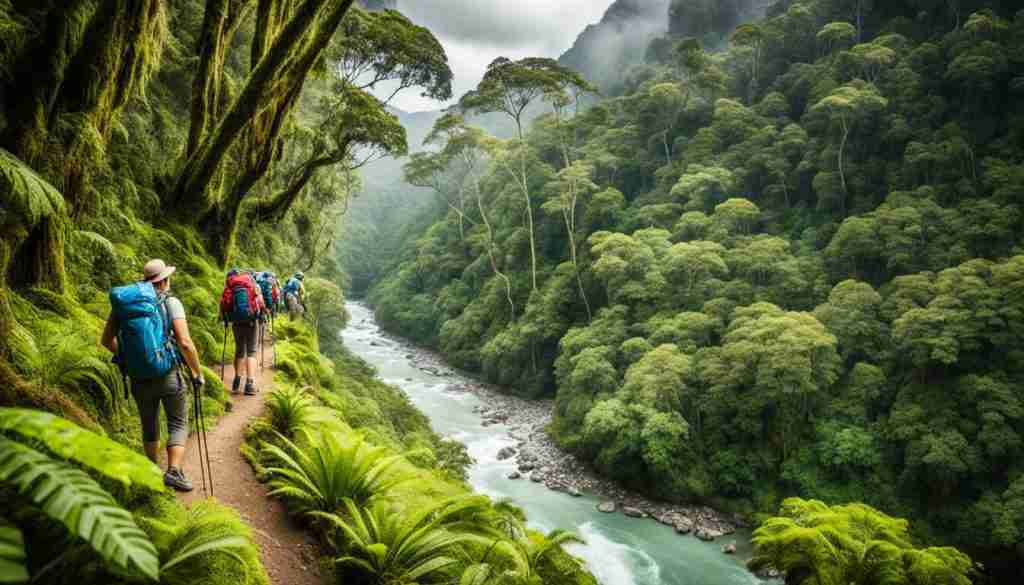
“When visiting the Peruvian Amazon, it’s crucial to be respectful of the indigenous communities that call this region home.”
Recommended Itineraries for the Peruvian Amazon
Planning a trip to the Peruvian Amazon can change how much you experience the rainforest. If you’re short on time, a 2-3 day jungle lodge stay near Puerto Maldonado or Iquitos is a great start. But, if you have 5-7 days, you can dive deeper into the Amazon. You’ll see more protected areas and might spot amazing Amazon wildlife.
Short Trips vs. Extended Stays
Short peruvian amazon itinerary options let you see the rainforest’s best spots. Longer amazon short trips vs long trips mean you can really get to know the area’s ecosystems and cultures. Think about your budget, schedule, and what you’re interested in when choosing between a quick recommended amazon trips peru or a longer trip.
- Short 2-3 day trips give you a peek into the Amazon, focusing on areas near the main cities.
- Longer 5-7 day trips let you see more protected areas and increase your chances of seeing wildlife.
- If you have more time (6+ days), you can also visit other famous places in Peru like Machu Picchu and the Sacred Valley.
No matter how long you stay, the Peruvian Amazon is unforgettable. Whether you’re here for a quick visit or a longer trip, you’ll leave with a new appreciation for this incredible place.
Unforgettable Amazon Experiences
Exploring the amazon biodiversity peru lets you see the amazing life in this lush, tropical place. You’ll see everything from tall trees to rivers. You’ll see many plants, birds, mammals, reptiles, and insects that live nowhere else. You might see giant river otters, macaws at a clay lick, or watch the sun set over the amazon rainforest diversity peru. The Peruvian Amazon is full of moments that will amaze you.
Witnessing the Diversity of Life
The peruvian amazon wildlife experiences are amazing. Near Iquitos, you can see up to 10 monkey species in the wild. You’ll also see jaguars, giant river otters, and many birds, like the beautiful macaw. Taking a boat tour lets you see the amazon biodiversity peru from a new view. It’s a great way to dive into the heart of this lively ecosystem.
Connecting with Indigenous Communities
The Peruvian Amazon also lets you meet the amazon indigenous tribes peru. You can learn about their traditions, see their culture, and understand why we must protect the Amazon. By being respectful, you can really appreciate the cultural experiences amazon peru. You’ll see how important these communities are in keeping the amazon rainforest diversity peru safe.
“The Amazon Experience was an unforgettable journey that allowed us to witness the incredible diversity of the Peruvian Amazon firsthand. From spotting rare wildlife to connecting with indigenous communities, it was a truly humbling and inspiring experience.”
By traveling responsibly to the Peruvian Amazon, you help the area. You support conservation and cultural preservation. And you make memories that will last a lifetime.
Conclusion
The Peruvian Amazon is a vast, biodiverse, and culturally rich area. It’s a must-visit for every adventurous traveler. This guide gives you the key info to plan your trip to the Peruvian Amazon. You’ll find everything from wildlife to outdoor adventures and cultural experiences.
With the right preparation and an open mind, you can explore this unique and threatened ecosystem. You’ll learn how to protect it too. This way, you become a guardian of its preservation.
A 4-day adventure in the Peruvian Amazon starts at £320/ US$500. There are also eco-friendly places to stay. The Rainforest Alliance certifies sustainable lodges like the Tahuayo Lodge. The government works to save endangered species like the Paiche fish.
This makes visiting the Peruvian Amazon more accessible. It’s a chance to see nature up close and help protect it.
You can dive into the remote Pacaya-Samiria National Reserve or visit the lively city of Iquitos. The Peruvian Amazon offers an unforgettable experience. So, start planning your trip now. Discover the stunning beauty and strength of this amazing place.