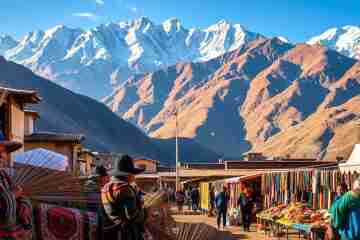
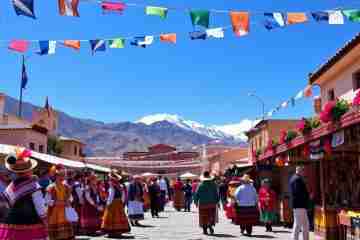
Peru is full of amazing handicrafts that show off its deep culture and art. You’ll find everything from detailed textiles to beautiful ceramics and lively paintings. Cusco, once the Inca Empire’s capital, is a great place to shop and dive into Peruvian crafts. Buying local crafts there helps the economy and keeps old skills alive.
Key Takeaways










- Cusco is famous for its wide variety of local crafts. You can find high-quality baby alpaca clothes, beautiful silver jewelry, and unique pottery and ceramics.
- The city’s markets and workshops let visitors see and buy special, handmade souvenirs. These items show off the area’s rich cultural history.
- Many Cusco artisans focus on making things that are good for the planet. They use natural dyes and materials to create products that are kind to the earth.
- Shopping in Cusco helps the local economy and keeps old craft skills alive. These skills have been passed down for generations.
- The artisans in Cusco show off the diversity and skill of Peruvian craftspeople. They offer a real cultural experience for visitors.
Embracing the Rich Cultural Heritage of Cusco
Cusco, the ancient capital of the Inca Empire, is full of traditional Peruvian crafts and indigenous artistry. These traditions have lasted for centuries. The city’s artisan culture shows the strength and creativity of its people. They keep the historical essence of their crafts alive, known all over the world for their quality.
Explore the Vibrant Traditions and Artistic Talents of Local Artisans
Walking through Cusco’s artisan workshops, you’ll see skilled hands at work. They make beautiful textiles, ceramics, and jewelry with ancestral techniques. You’ll see everything from Andean textiles to metalwork and pottery. Each piece tells the story of Cusco’s rich cultural past.
Why Supporting Local Craftsmanship Matters
When you support the local economy and preserve Cusco’s heritage, you help the city’s artisan culture thrive. Your support keeps these skilled craftspeople going. It also helps keep the traditions alive that make Cusco special. Buying something made locally means you’re helping the sustainable future of this amazing place.
“Cusco’s artisans are the guardians of a living heritage, weaving the past and present into every creation.”
San Pedro Market: The Heartbeat of Local Trade
In the heart of Cusco, the San Pedro Market is a lively spot. Here, locals meet to buy, sell, and trade. It’s a place that shows off the cusco market experience. You’ll see the culture and traditions that have been here for years.
Immerse Yourself in the Bustling Atmosphere of Cusco’s Iconic Market
When you enter the San Pedro Market, you’re hit with energy and a mix of sights, sounds, and smells. It’s full of cusco market textiles, cusco market souvenirs, and fresh food. You’ll find everything from textiles to local foods.
Walking through, you’ll see a colorful mix of local shopping cusco. Artisans show off their work, like pottery and san pedro market cusco textiles. It’s a great way to meet locals, learn about their traditions, and support local artisans.
“The San Pedro Market is not just a place to shop; it’s a living, breathing embodiment of Cusco’s rich cultural heritage.”
Looking for unique souvenirs or just wanting to soak up the atmosphere? The San Pedro Market is unforgettable. It makes your visit to Cusco memorable.
Cusco Artisan Center: One-Stop Shop for Quality Crafts
Near the historic heart of Cusco, the Cusco Artisan Center is a place full of treasures. It’s perfect for those looking for cusco crafts and authentic cusco souvenirs. You’ll find everything from traditional textiles to beautiful silver jewelry, all made with care and authenticity.
This market is great for visitors wanting to take a piece of Cusco’s culture home. As you walk through, you’ll see many cusco handicraft market items. Each one shows the talent of local cusco artisan artisans.
“The Cusco Artisan Center is a one-stop shop for those in search of truly authentic Cusco crafts. It’s the perfect place to find unique and high-quality souvenirs that capture the essence of this remarkable city.”
At the center, you’ll find everything from colorful weavings to wooden figurines. It’s the best spot to find a special gift or a keepsake. The Cusco Artisan Center lets you dive into the cusco artisan center culture. You’ll leave with a piece of Cusco’s rich heritage.
San Blas Neighborhood: Artisans’ Quarter Brimming with Unique Finds
In the heart of Cusco, the San Blas neighborhood is a paradise for art lovers and those who appreciate local craftsmanship. This lively area is filled with small shops and workshops. Here, talented artisans make and display their unique items.
Walking through the cobblestone streets, you’ll see a wide range of items. From traditional retablos to modern paintings and jewelry, each piece has a story. They show off Cusco’s rich culture and creative spirit.
Discover the Bohemian Charm and Creative Spirit of San Blas
The San Blas neighborhood is a key part of the thriving Cusco art scene. As you explore, you’ll feel the area’s vibrant, energetic vibe. Local artisans share their skills and welcome you to join in.
- Visit the small shops and studios to see artisans at work and learn how they make their items.
- Find unique cusco artisan workshops and crafts, like traditional textiles and modern art.
- Enjoy the cafe culture with a local drink, surrounded by the beauty of the cusco art scene.
The San Blas neighborhood gives you a peek into Cusco’s artistic heart. Let the bohemian charm and creative spirit of this area inspire you.
Chinchero Village: Weaving Traditions and Vibrant Textiles
Chinchero is a beautiful Andean village in the Sacred Valley. It’s famous for its stunning textiles and deep cultural roots. Here, chinchero weavers keep alive the old ways of making vibrant, handwoven fabrics. These fabrics are a big part of cusco textile traditions for hundreds of years.
In the chinchero artisan workshops, you can see how weavers turn raw wool and natural dyes into beautiful handwoven textiles cusco. They dye the yarn and weave it into intricate patterns. Each step shows their skill and hard work.
The Centro de Textiles Tradicionales del Cusco (CTTC) helps keep Chinchero’s weaving alive. This group started in 1996 to protect and share the village’s weaving traditions. They help weavers in ten villages around Cusco, making sure the old ways are kept alive for the next generations.
When you visit Chinchero, you can explore a lively market on Tuesdays, Thursdays, and Sundays. Here, you can buy directly from the chinchero weavers and take home a piece of Cusco’s culture. The Textile Center of Chinchero also has workshops. These let visitors learn about the importance and complexity of these handwoven textiles cusco.
“Chinchero is a testament to the enduring spirit of Andean weaving traditions, where the past and present seamlessly intertwine, creating a tapestry of cultural richness that captivates all who visit.”
If you love textiles, culture, or just beautiful crafts, you should visit Chinchero. It’s a key spot in Cusco. Here, you can dive into the world of cusco textile traditions and support the skilled chinchero weavers who keep this ancient craft alive.
Pisac: The Lively Artisan Market in the Sacred Valley
In the Sacred Valley, the village of Pisac is a gem with a bustling artisan market every day. Sundays bring extra life to the market. Here, you’ll find stalls full of pisac artisan market crafts. These include beautiful ceramics, colorful textiles and ceramics pisac, leather goods, and traditional Andean music.
The sacred valley crafts at Pisac Market are stunning. They show off the talent and culture of local artisans. Talking to these skilled people lets you learn about their ancient traditions.
The cusco market tours at Pisac Market are unforgettable. You get to meet the artisans and experience the culture firsthand. It’s perfect for anyone who loves unique crafts or just wants to soak in the local vibe.
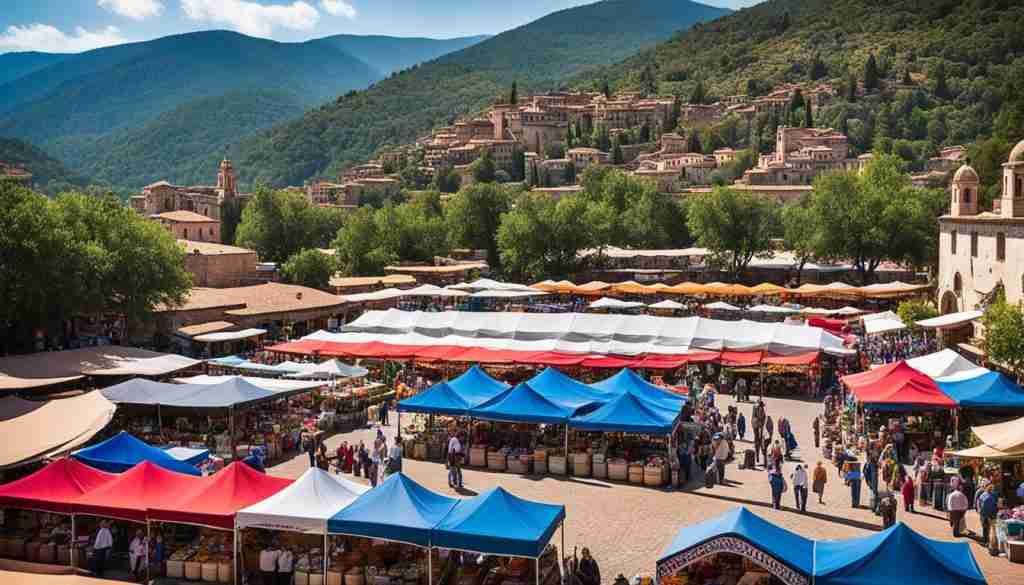
“The Pisac Market is a true feast for the senses, where the vibrant colors and intricate designs of the artisanal goods are matched only by the warmth and hospitality of the local community.”
local artisans in cusco: Unveiling the Masterpieces of Talented Hands
Cusco’s local artisans keep the city’s rich culture alive with their work. They make masterpieces that show off the region’s artistic traditions. From weavers in Chinchero to potters in Pisac, they work hard to keep old techniques and styles alive. By supporting these artisans in cusco, you help keep the city’s artisan craftsmanship cusco and cusco craft traditions going strong.
The Santuranticuy market in Cusco is a big event where these artisans show off their work. It happens during Christmas and features beautiful nativity scenes made by local artisans in peru. These crafts tell stories of Cusco’s artistic past. Artisans make many crafts, like textiles and figurines, during this time. These items share the stories of cusco artisan profiles through generations.
| Artisan Craft | Unique Characteristics | Renowned Artisans |
|---|---|---|
| Textiles | Intricately woven patterns and vibrant colors | Hilario Mendivil and family |
| Ceramics | Handcrafted pottery depicting Andean myths | Edilberto Mérida |
| Woodwork | Exquisite carvings and intricate designs | Antonio Olave |
The San Blas neighborhood is a place where creativity shines. Artisans there make beautiful textiles, ceramics, and trinkets. This area keeps Cusco’s culture alive, showing visitors the city’s creative spirit and cusco artisan profiles.
“Cusco’s local artisans are the guardians of the city’s rich cultural legacy, crafting masterpieces that reflect the region’s enduring artistic traditions.”
Supporting these local artisans in peru helps keep Cusco’s artisan craftsmanship cusco and cusco craft traditions alive. This way, you help preserve the city’s cultural identity for the future.
Ollantaytambo: Crafts and Souvenirs at the Doorstep of Ancient Ruins
In the Sacred Valley of Peru, Ollantaytambo is a special place. It lets visitors see the local culture and arts. Right by the Inca ruins, the town has a market full of authentic souvenirs.
Explore the Artisan Market Before Venturing into Inca History
The market in Ollantaytambo is right at the entrance to the Inca site. It’s perfect for starting your adventure. You’ll find colorful stalls with textiles, backpacks, jewelry, and ceramics made by local artisans.
This market helps support the artisans and keeps their traditions alive. It’s a great way to get unique souvenirs.
While at the market, enjoy the vibrant culture and heritage. The market shows off the crafts of the Sacred Valley and the creativity of Cusco. It gives a peek into the daily life and art of the locals.
Shopping in Ollantaytambo is unforgettable, with the Inca ruins nearby. The atmosphere is lively, and you can talk to the artisans. Find the perfect souvenirs to remember your trip to Peru.
Aguas Calientes: Handicraft Haven at the Gateway to Machu Picchu
The town of Aguas Calientes is a lively spot at the entrance to Machu Picchu. It’s known for its artisan crafts and souvenirs. People come here to find unique items like textiles, jewelry, paintings, musical instruments, and more.
The Mercado de Artesanías is the heart of this craft scene. It’s filled with the work of talented local artisans. You can wander through the stalls and find a wide range of cusco craft shopping options. There are beautiful alpaca goods and special machu picchu souvenirs to choose from.
| Machu Picchu Statistics | Value |
|---|---|
| Annual Visitors | Around 1 million |
| New Seven Wonders of the World | Earned a spot in 2007 |
| Huayna Picchu Trail Hikers per Day | Limited to 400 |
| Time to Reach Machu Picchu via Classic Inca Trail | 4 days and 3 nights |
Aguas Calientes has more to offer than just shopping. You can relax in the thermal hot springs, visit the Museo de Sitio Manuel Chávez Ballón to learn about Inca history, and try the local food. It’s full of flavors from the area’s farming traditions.
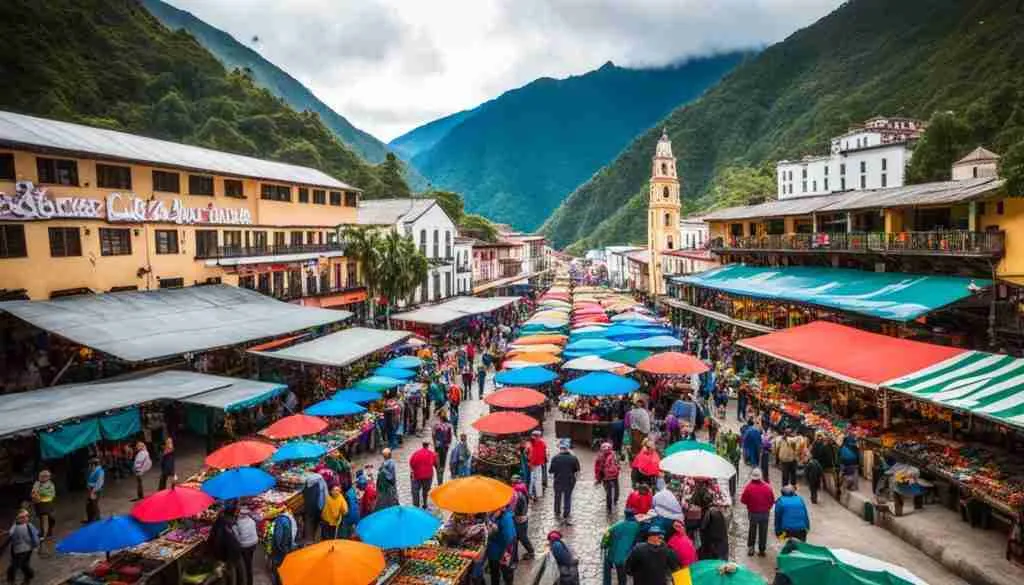
If you’re looking for the perfect machu picchu souvenirs or want to dive into the local craft scene, Aguas Calientes is the place to be. It’s an exciting spot that adds to your Machu Picchu trip.
Barranco: Lima’s Bohemian Neighborhood and Art Scene
In the heart of Lima, Barranco is a place full of contemporary art and new talent. Walk through streets with colorful murals. See the many art galleries that show off the work of Cusco artists and the lima art scene.
Barranco is full of art, from paintings and sculptures to mixed media. It’s a place where art shows Peru’s changing culture. This area attracts art lovers with its relaxed vibe and support for local artists.
Discover Contemporary Peruvian Art and Emerging Talent
Check out the barranco art galleries to dive into peruvian contemporary art. You’ll see works by both famous and new artists. These galleries show many styles and mediums, giving you a peek into Peru’s lively art world.
- See paintings that mix Andean traditions with modern styles.
- Admire textiles and ceramics that honor Peru’s craft heritage.
- Look at installations that challenge what art can be.
Being in Barranco lets you meet cusco artist profiles and feel the lima art scene‘s energy. Let the area’s free spirit and art move you to start your own creative path.
“Barranco is a living canvas, where the city’s artistic heart beats with passion and innovation.”
Arequipa: Textile Workshops and Alpaca Wonders
In the city of Arequipa, surrounded by tall volcanoes in southern Peru, you can dive into the world of traditional textiles. Here, visitors can explore the deep cultural roots and the amazing skill of local arequipa textile workshops.
At the core of Arequipa’s textile tradition are the talented weavers. They use traditional backstrap looms with great skill. With each stroke, they make beautiful peruvian alpaca goods. These include everything from shawls and scarves to rugs and tapestries. Each piece shows the weavers’ amazing skill in traditional textile techniques.
| Key Textile Facts | Statistics |
|---|---|
| Peru’s Textile History | Peru holds the World Record for the longest continual history of textile production, dating back 10,000 years. |
| Alpaca Wool Production | Out of the four million alpacas in Peru, 80% live in the central and southern regions at elevations between 10,000 and 15,000 feet. |
| Vicuña Wool | Vicuña wool is finer than baby alpaca, with fibers measuring about 7 microns finer than the best cashmere. |
| Eco-Friendly Alpaca | Alpacas only eat 1-2% of their weight per day, producing 4-5 sweaters per year, which is notably more eco-friendly compared to other animals used for natural fibers. |
Visit the local markets of Arequipa to see a wide range of these beautiful textiles. Walk through the lively stalls and be amazed by the colors and patterns. They show the region’s deep cultural roots and the hard work of its artisans.
“The vivid colors and elaborate patterns of Arequipa’s textiles are a testament to the skill and creativity of the artisans.”
If you’re looking for an alpaca scarf, a tapestry, or a unique rug, Arequipa’s textile workshops and markets are the place to go. They offer a genuine and fulfilling shopping experience. Step into the heart of Peruvian craftsmanship and take home a piece of Arequipa’s cultural heritage.
Conclusion
Cusco’s cusco artisan culture shows the city’s lasting art traditions and the skill of peruvian handicrafts artisans. The city’s markets and hidden workshops are full of talent and creativity. By supporting these artists, you help keep Cusco’s magic alive and support the local economy.
Walking through Cusco, you’ll find amazing art that shows the city’s deep culture. These pieces inspire and grow your love for Cusco’s heritage. You get to meet the artists, learn about their work, and join in celebrating Peru’s art.
Cusco’s artisans show how strong and flexible its people are, keeping their traditions alive through tough times. By connecting with this community, you help keep Cusco’s crafts and skills alive. This has a big impact on both local and global levels.