Start an unforgettable journey to Peru, where ancient wonders, vibrant cultures, and delicious food await. This guide will give you valuable insights and practical tips for a memorable trip. You’ll learn how to navigate Machu Picchu and the Inca Trail, and enjoy Cusco’s famous cuisine.
Key Takeaways
- Discover the diverse geography and climate of Peru, from the Andes to the Amazon rainforest
- Understand the local language and cultural nuances to enhance your travel experience
- Learn about safety considerations and practical tips to ensure a smooth and hassle-free trip
- Explore the must-visit highlights of Peru, including Machu Picchu, Cusco, and the Inca Trail
- Indulge in the culinary delights that make Peru a global gastronomic destination
Introduction to Peru
Geography and Climate
Peru is a country full of diversity, covering nearly 1.3 million square kilometers. It has three main areas: the coastal regions, the Andean Highlands, and the Amazon rainforest. Each offers unique landscapes and environments to discover.
The coastal areas have a dry and cool climate. The Andes Mountains have a rainy and dry season. The Amazon rainforest is hot, humid, and rainy all year.
Travelers should bring layers, waterproof gear, and sturdy shoes. This is because Peru’s terrain and weather vary greatly. From sandy coasts to green Amazon forests, Peru promises a memorable trip.
Peru is the third-largest country in South America. It has a lot of natural resources and biodiversity. In the last ten years, Peru’s economy grew fast, thanks to metals and agribusiness.
Peru protects its nature well, with 14 national parks and more. It has over 1,800 bird species and 10% of the world’s reptiles, mammals, and fish. Peru also has 3,500 orchid varieties and 90 microclimates.
“Peru is one of the world’s ten most biologically diverse countries.”
Language and Culture
Peru is a vibrant country with a rich mix of peruvian languages and inca culture. The official language is spanish in peru, but there are many indigenous languages too. These include quechua and aymara.
Quechua, the Inca Empire’s language, is spoken by 6 to 8 million Peruvians. It’s mainly found in the central Andes. Aymara is used in the southern regions near Bolivia. Jaqaru and Kawki are also part of Peru’s pre-colonial heritage, influencing peruvian traditions.
Peru’s culture is deeply influenced by the Inca civilization. Visitors can explore the country’s art, music, and food. These all show the lasting impact of the Inca Empire. From Machu Picchu to the colorful festivals, inca culture is a big part of Peru.
In cities, Spanish and some English are common. But learning a few words in local languages makes your visit better. Exploring Peru’s languages and culture creates unforgettable memories and a deeper love for this South American nation.
| Language | Percentage of Population |
|---|---|
| Spanish | 84.1% |
| Quechua | 13% |
| Aymara | 1.7% |
| Other | 1.2% |
As you dive into peruvian languages and inca culture, enjoy the Peruvian people’s warmth. Their traditions and lively lifestyle will make your trip unforgettable.
Safety Considerations
When planning your Peru trip, safety is key. Peru is mostly safe for visitors, but some precautions are needed for a great trip.
Petty crimes like pickpocketing and scams are common in tourist spots. To stay safe, keep your valuables close, don’t carry too much cash, and watch your surroundings.
Political unrest can also be a concern. It’s important to know what’s happening and avoid protest areas. Some border areas have higher risks due to crime and terrorism.
Solo female travelers might face more attention, but Peru is welcoming. A good travel agency can help plan a safe trip. Also, get travel insurance for emergencies and lost items.
Being ready and informed is crucial for a safe and fun peru travel experience. With the right precautions, you can enjoy Peru’s beauty.
| Safety Concern | Potential Impact | Recommended Precautions |
|---|---|---|
| Altitude Sickness | Can affect travelers in certain areas like Cusco or Arequipa | Acclimatize gradually, stay hydrated, and take medication if necessary |
| Natural Disasters | Peru is prone to earthquakes, landslides, and flooding | Stay informed about weather conditions and emergency plans |
| Petty Crime | Pickpocketing and money scams are common in tourist areas | Keep valuables secure, avoid carrying large amounts of cash |
| Political Unrest | Protests can disrupt travel and lead to safety concerns | Stay up-to-date on current events and avoid protest areas |
| Solo Female Travel | Potential for more attention and cat-calling | Take sensible safety measures and consider a travel agency |
By understanding these safety tips and taking steps to protect yourself, you can have a safe and enjoyable peru travel experience.
peru travel tips
Planning a trip to Peru needs careful thought for a smooth journey. You should know about the country’s climate and local customs. Also, understanding the currency is key to a great trip.
Choosing a Tour Operator
Choosing the right tour operator is crucial. Look for companies with local knowledge and experienced guides. Reading reviews helps find a tour that fits your interests.
Packing the Essentials
Peru’s weather varies by region. Pack clothes and gear for different climates. Include sun protection, layers, and comfy shoes. Don’t forget important documents and travel insurance.
Dealing with Altitude Sickness
High-altitude places like Cusco and Machu Picchu can cause sickness. To avoid symptoms, acclimate slowly. Stay hydrated, avoid alcohol, and rest during the first days.
Understanding Local Customs and Currency
Knowing Peruvian customs makes your trip easier. Be mindful of dress codes, tipping, and cultural norms. Also, learn about the nuevo sol and how to exchange money or use cards.
By planning well and following these peru travel tips, you’ll have a great time in Peru.
| Peru Travel Costs | Average Price Range |
|---|---|
| Flights from the U.S. to Lima | $300 – $1,000 |
| Machu Picchu Multi-Day Hikes | 2,600 PEN ($700 USD) |
| Colca Canyon 2-3 Day Hiking Tour | 150-200 PEN ($40-$55 USD) |
| Islas Flotantes de los Uros Tour | 165 PEN ($45 USD) |
| Cusco Tourist Ticket (10-day pass) | 130 PEN ($35 USD) |
| Pacaya Samiria National Reserve Tour (3D/2N) | 1,400-1,500 PEN ($380-$405 USD) |
Exploring Peru’s Highlights
Machu Picchu and the Inca Trail
Visiting Peru isn’t complete without seeing Machu Picchu and the Inca Trail. Machu Picchu sits high in the Andes, showcasing the Inca civilization’s genius. The Inca Trail, a hike through the Sacred Valley, lets you see amazing views and history.
Getting ready for these Peruvian highlights is key. The Inca Trail is a four-day, 60-kilometer (37-mile) journey. For a quieter option, try the Salkantay Trek, which drops 2,000 meters into rainforest.
At Machu Picchu, you’ll see Inca ruins and terraced fields. The views of the mountains are stunning. The site sits at 2,430 meters (7,972 feet), adding to its magic.
“Machu Picchu stands in the mist, lost to the world for centuries, rediscovered, and forgotten again, its mystery forever unsolved.”
– Hiram Bingham
Don’t miss out on Cusco and the Sacred Valley too. They’re full of culture, history, and outdoor fun. Plus, you can try delicious local food.
Culinary Delights
Peru is known for its amazing peruvian cuisine. It offers a wide range of peruvian food that excites the taste buds. From the fresh ceviche by the sea to the hearty stews and roasted meats in the Andes, it’s all a treat.
Lima, the capital, is home to some of South America’s best restaurants. Places like Central, Maido, and Astrid & Gastón have put Peru on the world’s culinary map. The mix of European, African, and East Asian flavors in Peruvian ingredients creates a unique taste experience.
Ceviche, Peru’s national dish, is a must-try. It’s made with sea bass, lime juice, onions, salt, and chiles. Lomo Saltado combines Chinese stir-frying with Peruvian touches. And Aji de Gallina is a creamy chicken stew with aji amarillo peppers, walnuts, and cheese.
Peru also has many other famous dishes. You can try Papas a la Huancaina, Cuy, Causa, Rocoto Relleno, Anticuchos de Corazón, Arroz con Pato, and Pollo a la Brasa. Each dish shows off Peru’s rich culture and diverse food scene.
Peru has over 4,000 types of potatoes, showing the variety of its food culture. Whether you enjoy the freshness of ceviche, the richness of lomo saltado, or the unique tastes of Andean and Amazonian dishes, exploring Peru’s food is an experience you won’t forget.
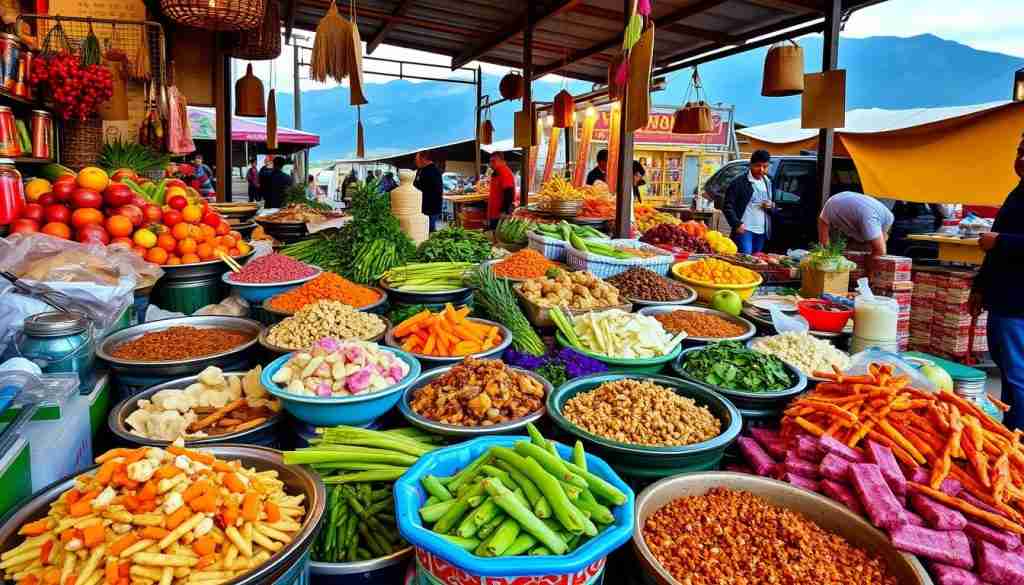
“Peruvian cuisine is a unique and delectable culinary marvel reflecting the country’s rich history and cultural diversity.”
Sustainable Tourism
Responsible and sustainable tourism is becoming more important in Peru. Travelers can help by picking tour operators that care about the environment, culture, and local communities. These companies offer unique experiences that let visitors dive into local traditions and support rural community-based tourism.
By choosing responsible travel, like reducing waste and respecting local ways, you help keep Peru’s beauty for future visitors. A study by Sustainable Travel International and Mandala Research shows eco-tourists often stay longer to help the community and volunteer.
Responsible Travel Practices
To be a responsible tourist in Peru, follow these tips:
- Choose eco-friendly ways to get around, like biking or walking.
- Carry reusable bags for shopping and souvenirs to avoid plastic waste.
- Stay in small, family-run places to boost the local economy.
- Dispose of wastewater properly and use less energy to protect the environment.
- Use refillable toiletries and pick biodegradable bath products.
- Avoid buying items made from animals and respect nature during your trip.
By adopting these sustainable travel practices, you help keep Peru’s beauty and culture alive. You’ll also get to experience the country’s rich heritage.
“Traveling ‘green’ and seeking sustainable tourism options is a rising concern worldwide, emphasizing the importance of environmentally and culturally conscientious travel.”
Transportation and Accommodations
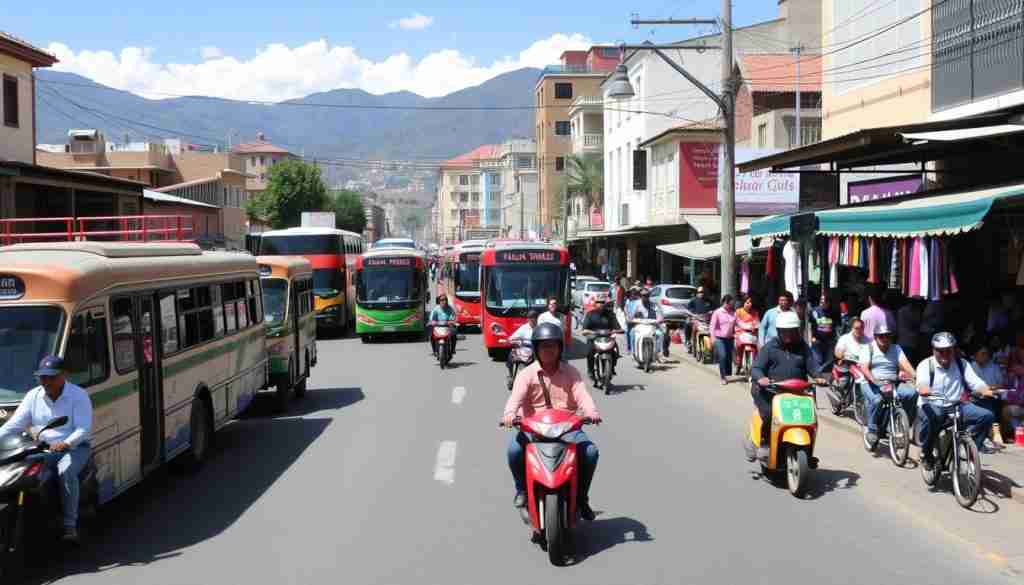
Exploring Peru is easy with many getting to peru and getting around peru choices. The biggest airport is in Lima, with flights from major U.S. cities. Public transportation in peru includes buses, trains, and flights to reach different areas.
Peru has many peru accommodation options for all budgets. Prices vary, with budget travelers spending S/45–120 daily. Mid-range travelers pay S/150–270, and luxury seekers spend S/300–600 daily.
| Accommodation Type | Average Cost Per Night |
|---|---|
| Hostel (Dorm Bed) | S/60 – S/120 |
| Budget Hotel (Double Room) | S/100 – S/180 |
| Mid-Range Hotel (Double Room) | S/200 – S/350 |
| Luxury Hotel (Double Room) | S/400 – S/600 |
Planning ahead and researching can make your trip smoother. Be aware of theft risks and stay safe while traveling.
Money Matters
Currency, Tipping, and Budgeting
Planning your trip to Peru can be easy with the right info. The peruvian currency is the nuevo sol, worth about $0.27 USD. You can exchange money before or in Peru. But, it’s smart to have cash for small buys and tipping in peru.
Tipping is key in Peru, with 10% for restaurant service and 20-30 soles per person for tours. When budgeting for your Peru trip, costs vary. This depends on when you go, where you stay, and what you do. But, with some planning, you can have a great time without breaking the bank.
For paying in peru, the nuevo sol is the official money, but US dollars are also accepted. Most places take Visa and Mastercard, and some accept American Express. You can get both Peruvian soles and US dollars at banks like BCP, Scotiabank, BBVA Continental, and Interbank.
| Currency Exchange Rates | Tipping Guidelines | Budgeting Estimates |
|---|---|---|
| 1 USD ≈ 3.50 – 4.00 Nuevos Soles | 10% for restaurant service 20-30 soles per person for guided tours |
$70 – $100 per day for moderate comfort $500+ per day for luxury travel |
Knowing about the local currency, tipping, and budgeting helps make your Peru trip smooth and enjoyable.
Conclusion
Peru is a remarkable destination filled with cultural, historical, and natural wonders. Visitors can explore ancient ruins like Machu Picchu and enjoy Peruvian cuisine. Knowing the language, customs, and safety tips makes your trip unforgettable.
Peru offers something for everyone, whether you’re looking for adventure or relaxation. Its diverse landscapes, from the Andes to the Amazon rainforest, provide unique experiences. This makes Peru a standout destination for travelers.
This guide has covered essential travel information, from transportation to local customs. By embracing Peru’s culture and sustainable tourism, you can support local communities. This way, you help preserve the country’s natural beauty.
FAQ
What are the main geographical regions of Peru?
What languages are spoken in Peru?
How safe is it to travel in Peru?
What are some important considerations for planning a trip to Peru?
What are the must-see highlights of Peru?
What is Peruvian cuisine known for?
How can travelers support sustainable tourism in Peru?
How can travelers get around Peru?
What should travelers know about the Peruvian currency and budgeting?
FAQ
What are the main geographical regions of Peru?
Peru is divided into three main areas: the coast, the Andean Highlands, and the Amazon rainforest. The coast is dry and cool. The Andes have rainy and dry seasons. The Amazon is hot, humid, and rainy all year.
What languages are spoken in Peru?
Spanish is the official language in Peru. But, many indigenous languages like Quechua and Aymara are also spoken. These languages are mainly found in the Andes and Amazon.
How safe is it to travel in Peru?
Peru is mostly safe for visitors. But, be careful of petty crimes like pickpocketing. Keep your valuables safe and avoid carrying too much cash. Stay informed about political situations too.
What are some important considerations for planning a trip to Peru?
Planning a trip to Peru requires some thought. Choose a good tour operator and pack right for the weather. Make sure you have all necessary documents and insurance. Learn about local customs and currency too.
What are the must-see highlights of Peru?
Peru’s highlights include Machu Picchu and the Inca Trail. Machu Picchu is a famous site in the Andes. The Inca Trail offers stunning views and history.
What is Peruvian cuisine known for?
Peruvian food is known for its variety and taste. Try fresh ceviche, stews, and the pisco sour cocktail. It’s a feast for your senses.
How can travelers support sustainable tourism in Peru?
Support sustainable tourism by choosing eco-friendly tour operators. They focus on preserving the environment and culture. This helps local communities too.
How can travelers get around Peru?
Getting to and around Peru is easy. Lima’s airport has flights from the U.S. Use buses, trains, and flights to see different areas.
What should travelers know about the Peruvian currency and budgeting?
Peru uses the nuevo sol, worth about
FAQ
What are the main geographical regions of Peru?
Peru is divided into three main areas: the coast, the Andean Highlands, and the Amazon rainforest. The coast is dry and cool. The Andes have rainy and dry seasons. The Amazon is hot, humid, and rainy all year.
What languages are spoken in Peru?
Spanish is the official language in Peru. But, many indigenous languages like Quechua and Aymara are also spoken. These languages are mainly found in the Andes and Amazon.
How safe is it to travel in Peru?
Peru is mostly safe for visitors. But, be careful of petty crimes like pickpocketing. Keep your valuables safe and avoid carrying too much cash. Stay informed about political situations too.
What are some important considerations for planning a trip to Peru?
Planning a trip to Peru requires some thought. Choose a good tour operator and pack right for the weather. Make sure you have all necessary documents and insurance. Learn about local customs and currency too.
What are the must-see highlights of Peru?
Peru’s highlights include Machu Picchu and the Inca Trail. Machu Picchu is a famous site in the Andes. The Inca Trail offers stunning views and history.
What is Peruvian cuisine known for?
Peruvian food is known for its variety and taste. Try fresh ceviche, stews, and the pisco sour cocktail. It’s a feast for your senses.
How can travelers support sustainable tourism in Peru?
Support sustainable tourism by choosing eco-friendly tour operators. They focus on preserving the environment and culture. This helps local communities too.
How can travelers get around Peru?
Getting to and around Peru is easy. Lima’s airport has flights from the U.S. Use buses, trains, and flights to see different areas.
What should travelers know about the Peruvian currency and budgeting?
Peru uses the nuevo sol, worth about $0.27 USD. Exchange money before you go or in Peru. Have cash for small purchases and tips. The cost of a trip varies based on when you go and what you do.
.27 USD. Exchange money before you go or in Peru. Have cash for small purchases and tips. The cost of a trip varies based on when you go and what you do.


