Peru, known as the “Land of the Incas,” is full of cultural wonders. It has the stunning Andes mountains and the lush Amazon rainforest. This country is rich in history, with ancient Inca traditions and a vibrant indigenous culture.
Travelers can see famous sites like Machu Picchu. They can also meet local communities and join in their ceremonies. Lima, the capital, is famous for its food, mixing local and international flavors.
Key Takeaways
- Discover the rich cultural heritage of Peru, from ancient Inca ruins to traditional customs and practices.
- Explore diverse landscapes, including the Andes mountains and the Amazon rainforest, and engage with local communities.
- Immerse yourself in Peru’s vibrant gastronomy, a fusion of indigenous and international cuisines.
- Uncover the spiritual and artistic expressions that shape the Peruvian identity.
- Plan an authentic cultural journey that aligns with your interests and travel goals.
Introduction to Peruvian Culture
Peru’s culture is a mix of indigenous Andean and Spanish colonial traditions. The Quechua and Aymara cultures, spoken by millions, shape the nation’s identity. Textile weaving and pottery are still cherished traditions across the country.
Overview of Peru’s Cultural Heritage
In 2017, 25.8% of Peru’s people said they were indigenous. Another 60.2% were mestizo, a mix of indigenous and Spanish. There are also Afro-Peruvians, mixed groups, and those with mostly European ancestry.
Peruvians often identify with their region of birth. For example, limeños from Lima, cuzqueños from Cusco, and chalacos from Callao. This pride is seen in the country’s markets, where visitors can dive into Peru’s cultural richness.
Importance of Traditions and Customs
The Quechua language is key to Peru’s culture. Traditional festivals, music, and dance show the nation’s spirit and history. Visitors can learn about Peru through peruvian cuisine classes and quechua language immersion programs.
Peruvian society is divided by socioeconomic status. Those of European descent often have a higher status. But those with indigenous heritage face more challenges. This diversity is important to understanding Peru’s culture.
“Peru’s cultural heritage is a captivating tapestry of indigenous Andean and Spanish colonial influences, woven together to create a truly unique and vibrant identity.”
Culinary Adventures in Peru
Peru is known as the food capital of South America. It has a wide range of dishes that show off its culture. You can try ceviche, a dish made with fresh fish in citrus, and Nikkei cuisine, which mixes Japanese and Peruvian flavors.
The Influence of Indigenous Ingredients
Peruvian food is built on indigenous ingredients like quinoa, potatoes, and corn. These items add unique tastes to dishes and keep traditions alive. You can also try cuy (roasted guinea pig) and alpaca steaks.
Cooking Classes for Authenticity
Cooking classes in Peru are a great way to dive into its flavors. In Lima, chefs like Ignacio Barrios teach how to make famous dishes and drinks. You’ll learn about the culture behind the food.
Outside Lima, places like San Camilo in Arequipa and Urubamba in the Sacred Valley offer real food experiences. You can see fresh produce and talk to vendors who keep Peru’s food traditions alive.
| Peruvian Culinary Experiences | Description |
|---|---|
| Pachamanca Lunch in the Sacred Valley | A traditional Andean feast featuring marinated meats like lamb, pork, chicken, and guinea pig, cooked underground using hot stones and served in a communal setting. |
| Chocolate Workshop in Cusco | A hands-on experience where participants can create their own chocolate bars and other chocolate-based products, such as truffles or hot chocolate. |
| Street Food Tour in Lima | A tour that allows participants to sample over 13 Peruvian foods and drinks, experiencing true and authentic flavors while visiting historic locations like Mercado Central. |
| Traditional Arequipa Flavors and Sightseeing Tour | A tour that features more than 14 authentic Peruvian flavors unique to Arequipa, including local delicacies like guinea pig and alpaca. |
| Lima Gourmet Food Tour | A tour that takes participants through three vibrant districts, stopping at five locations to sample a variety of local dishes and drinks, including Peru’s flagship Pisco Sour. |
Peru’s diverse food scene offers many chances to try real flavors and learn about its food traditions.
Traditional Festivals and Celebrations
Peru is known for its lively festivals and celebrations. These events highlight the country’s rich culture and religious traditions. From the ancient Inca festival of Inti Raymi to the captivating Fiesta de la Candelaria in Puno, these festivals offer a deep dive into peruvian music festivals and the Andean region’s spirituality.
Inti Raymi: Festival of the Sun
Inti Raymi, the Festival of the Sun, takes place in Cusco on June 24th. It honors the Inca’s sun god. The festival includes colorful processions, traditional music, and Inca rituals, attracting around 3,500 people.
Fiesta de la Candelaria in Puno
The Fiesta de la Candelaria in Puno is near lake titicaca exploration. It’s one of Peru’s biggest and most important festivals. It blends Catholic traditions with Andean folklore, featuring vibrant parades, dances, and costumes. In 2014, UNESCO named it an Intangible Cultural Heritage of Humanity, highlighting its deep cultural value.
| Festival | Location | Significance | Attendance |
|---|---|---|---|
| Inti Raymi | Cusco | Festival of the Sun | Around 3,500 people |
| Fiesta de la Candelaria | Puno | Largest religious and cultural festival in Peru | Designated as Intangible Cultural Heritage of Humanity by UNESCO |
| Carnaval de Cajamarca | Cajamarca | Draws over 60,000 visitors annually | Water games and contests like the Queen of the Carnival |
| Festival Internacional de la Vendimia | Ica | Celebrates the wine-producing region | Annually since the 1950s |
“Peru’s festivals showcase the country’s rich cultural heritage and religious traditions, providing visitors with an immersive experience of Peruvian culture, music, and spirituality.”
Arts and Crafts of Peru
Peru is a land of unparalleled cultural richness. Its vibrant arts and crafts scene is a testament to this. From the intricate andean textile weaving to the captivating pottery and jewelry, Peruvian artisans have been preserving and evolving their craft for generations.
Traditional Textiles and Weaving Techniques
Peru is famous for its textiles. From Andean fabrics to premium garments made from organic cotton and luxurious vicuña wool, there’s a lot to see. Travelers can visit the weaving center in Chinchero to see the traditional “lindaje” weaving custom.
The Mercado Indio and Barranco in Lima also offer a wide range of woven textiles and garments. These places are perfect for finding unique, high-quality textiles.
The Role of Pottery in Peruvian Culture
Peruvian pottery has a long history, dating back to pre-Columbian times. In Ayacucho, visitors can see exceptional ceramic crafts and even take pottery classes. This is a great way to learn traditional techniques.
The vibrant markets of Cusco, like the San Pedro Market, showcase a wide range of handcrafted pottery. These markets reflect the rich cultural heritage of the region. Artisan workshops in the San Blas District are also worth a visit.
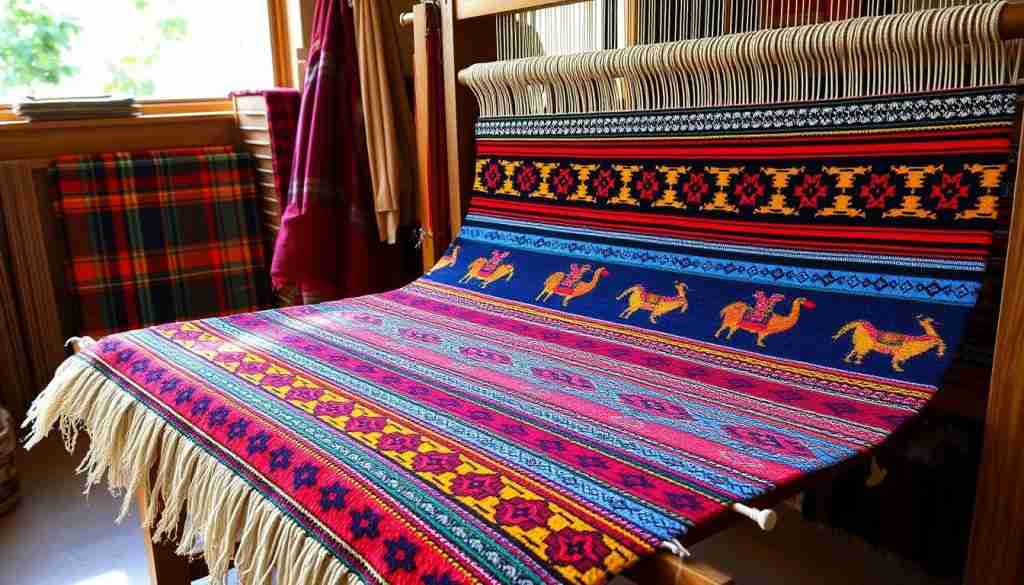
“Peru’s arts and crafts are a testament to the enduring creativity and resilience of its people, seamlessly blending traditional techniques with modern influences.”
The arts and crafts of Peru offer a glimpse into the country’s deep-rooted cultural traditions. Whether you’re exploring markets, visiting workshops, or participating in hands-on experiences, you’ll be immersed in Peru’s vibrant artistic expressions. Peru is a truly unique destination.
Music and Dance in Peru
Peruvian music and dance are key parts of the country’s rich culture. They show the varied traditions and histories of its people. From the Andean highlands to the coast, these art forms have won fans all over the world.
Understanding Andean Music
At the core of Peruvian music is the unique sound of the Andes. Andean music uses traditional instruments like the charango and the pan flute. These sounds, along with drum beats, take listeners to the Andes’ rugged beauty.
Traditional Dances and Their Significance
Peruvian dances are just as captivating, with each area having its own style and story. The marinera is a graceful dance of love, found on the coast. The huayno celebrates the spirit of Andean communities.
Other dances include the saya, rooted in Afro-Peruvian culture, and the scissors dance from the highlands. These dances are a big part of Peruvian music festivals and cultural events. They offer a chance to dive into the country’s artistic soul.
“Peruvian music and dance are not just entertainment, but a reflection of the country’s diverse cultural tapestry, woven together through centuries of tradition and innovation.”
Exploring Peruvian Spirituality
Peru’s culture is rich with indigenous beliefs and practices. These have lasted for centuries. From the Andes to the Amazon rainforest, Peru’s spirituality shows its deep bond with nature.
Indigenous Beliefs and Practices
The Inca legend of ‘The Eagle and the Condor’ talks about a future unity. This has sparked interest in ancient Andean spiritual practices. The paqo, or spiritual leaders, among the Q’ero people, are key.
Visitors can dive into these traditions through indigenous community homestays. They can also join in ceremonies like the Despacho and Pachamama offerings.
How Spirituality Influences Daily Life
Peruvian spirituality touches every part of daily life. It includes using traditional plant medicines like ayahuasca. It also involves celebrating ancient festivals like Inti Raymi.
Practices like coca leaf reading, energy healing, and meditation show Peru’s holistic wellness approach. Visitors can explore Peru’s mystical side. They can learn to appreciate its spiritual heritage.
Engaging with Local Communities
Visiting Peru offers a chance to connect with local communities. You can stay in indigenous villages or volunteer to help communities grow. These experiences let you dive deep into Peruvian culture and traditions.
Homestays: Immersive Experiences
Living with a local family in an indigenous community is a unique experience. These indigenous community homestays let you join in daily life. You can learn traditional skills and even practice Quechua language, the Inca Empire’s tongue.
Expect a warm welcome, delicious meals, and real connections with your hosts.
Volunteering Opportunities in Peru
Volunteering in Peru is a great way to dive into the culture. You can help in schools or with environmental projects. These efforts help communities and give you a special view of Peruvian society.
Tour operators like TOUR IN PERU can help you find the right volunteer work. This way, you can make a difference and learn a lot.
Connecting with local communities is a powerful way to understand Peru. Whether through indigenous community homestays or volunteering, you’ll gain a deeper respect for the culture. Plus, you’ll help these vibrant communities grow sustainably.
| Statistic | Value |
|---|---|
| Percent of travelers who engage with local markets in Peru | High |
| Percentage of visitors participating in traditional Peruvian ceremonies | Significant |
| Percentage of tourists who try traditional Peruvian cuisine at local eateries and street food stalls | High |
| Number of festivals in Peru | Numerous |
| Percentage of tourists who visit local communities to experience Peruvian culture firsthand | Growing |
| Percentage of travelers engaging with Peruvian art and crafts | Substantial |
| Frequency of volunteer opportunities with local organizations in Peru | Varied |
“Engaging with local communities is a transformative way to experience the richness of Peruvian culture.”
Outdoor Activities that Reflect Culture
Peru’s outdoor activities mix natural beauty with cultural importance. You can hike the famous Inca Trail to Machu Picchu or explore the Sacred Valley. These places let you dive into Peru’s rich heritage and traditions.
Hiking the Inca Trail to Machu Picchu
The Inca Trail is a famous trek through Andean landscapes and Inca history. Only 200 people can hike it each day. It offers a chance to see ancient ruins and learn about the Inca civilization.
On this hike, you’ll see amazing views and learn about the Inca’s engineering. It’s a journey through time and nature.
Sacred Valley: A Cultural Exploration
The Sacred Valley is between Cusco and Machu Picchu. It’s full of cultural experiences. You can visit ancient ruins, see traditional Andean markets, and meet indigenous communities.
These activities let you connect with Peru’s traditions. You can learn about weaving and cooking, and see how local customs have lasted for generations.
Peru has more than just the Inca Trail and Sacred Valley. You can explore the Amazon rainforest, paddle on Lake Titicaca, or see street art in coastal cities. These adventures show Peru’s rich culture and natural beauty.
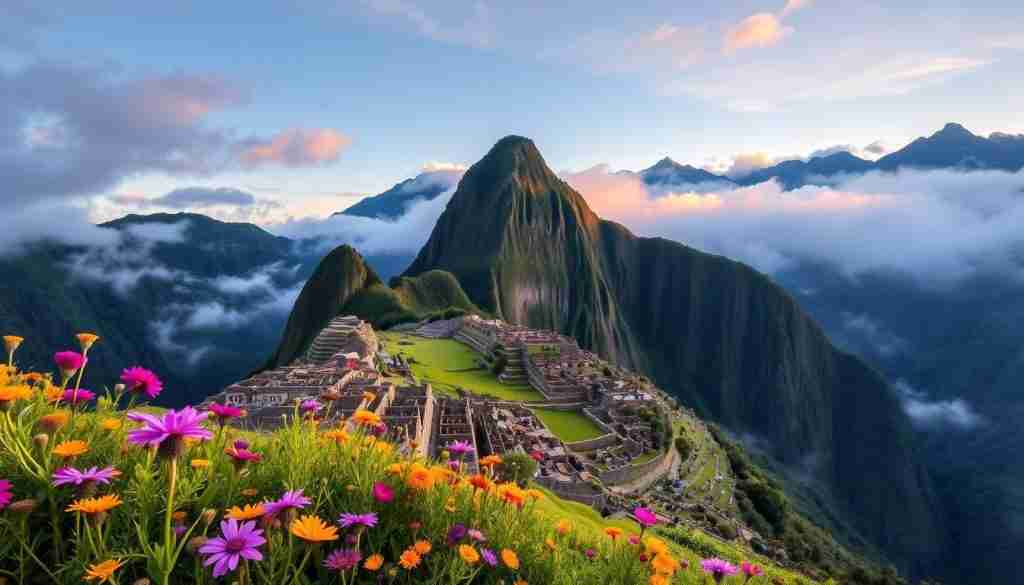
“Traveling to Peru is not just about seeing the sights, but experiencing the heartbeat of its ancient civilizations and the vibrancy of its living traditions.”
| Outdoor Activity | Cultural Significance |
|---|---|
| Inca Trail to Machu Picchu | Exploration of Inca archaeological sites and immersion in Inca history |
| Sacred Valley Exploration | Interaction with indigenous communities, visits to traditional markets, and appreciation of Andean weaving and cuisine |
| Amazon Rainforest Expedition | Learning about the traditions and customs of Amazonian indigenous groups |
| Lake Titicaca Excursion | Discovering the floating islands and traditional way of life of the Uros people |
Conclusion: Embrace the Peruvian Cultural Journey
Your journey through Peru has shown you a world of rich experiences. From ancient Inca ruins to modern traditions, it’s been a journey. As you plan your trip, choose responsible tourism that helps local communities and keeps traditions alive.
Work with local guides and join community-based tourism. This way, you get to truly experience the culture. It’s about more than just seeing sights; it’s about connecting with the people and places.
Final Thoughts on Authentic Experiences
Always respect local customs and try to speak a few words in Quechua or Spanish. Being open to new things is key. Peru has so much to offer, from Machu Picchu to Lima’s ceviche.
Every experience, big or small, can lead to deep cultural connections and memories. Let Peru’s culture enrich your journey and broaden your understanding of this amazing country.
How to Plan Your Cultural Adventure in Peru
When planning your peruvian culture experiences, focus on activities that help local communities. Support artisans, craftsmen, and small businesses. This way, you make a positive impact.
Also, think about the environment. Choose eco-friendly options for your inca trail hikes and other adventures. With careful planning and an open mind, your trip can be truly transformative.


