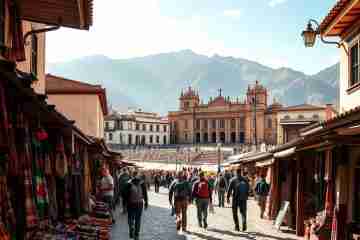
Peru’s vast landscapes and cultural treasures create endless opportunities for discovery. This comprehensive guide highlights must-see locations, blending iconic landmarks with hidden gems. Whether planning a first visit or returning for deeper exploration, travelers will find inspiration for crafting unforgettable journeys.
The geographical diversity here is unmatched. Snow-capped Andean peaks tower over lush Amazon rainforests, while coastal cities hum with modern energy. Ancient ruins whisper stories of Inca ingenuity, and vibrant markets burst with artisan traditions. Every region offers distinct flavors, landscapes, and history.
Our expertly curated list balances well-known sites like Machu Picchu with lesser-known wonders. Practical tips help visitors maximize their time, from luxury lodges to immersive cultural experiences. We’ve also included itinerary suggestions tailored for different interests and trip durations.
Planning a visit to this South American gem can feel overwhelming. That’s why we’ve organized this guide to simplify decision-making. From pre-trip logistics to on-the-ground insights, consider this your roadmap to an informed and seamless adventure.
Key Takeaways
- Peru combines ancient history, ecological diversity, and modern culture in one destination.
- The guide covers both popular attractions and underrated spots for varied interests.
- Geographical regions range from mountains to rainforests, each with unique experiences.
- Expert tips help travelers optimize itineraries and avoid common pitfalls.
- Luxury accommodations and authentic cultural immersion opportunities are highlighted.
Discover Lima: The Vibrant Capital of Peru
Lima stands as a dynamic blend of past and present, where colonial architecture meets coastal modernity. This UNESCO-listed city balances historic grandeur with contemporary energy, offering travelers diverse experiences. From golden Baroque churches to cliffside parks overlooking the Pacific, Peru’s capital thrives as a cultural crossroads.
Explore Colonial History and Modern Landmarks
At the city’s heart lies Plaza Mayor, a grand square framed by the iconic Government Palace and Cathedral of Lima. Stroll through streets lined with balconied mansions like Casa Aliaga, the Americas’ oldest continuously inhabited home. The nearby Museo Larco dazzles with pre-Columbian artifacts displayed in an 18th-century villa.
Coastal districts Barranco and Miraflores pulse with modern life. Walk the malecón clifftop trail for panoramic ocean views, then explore Barranco’s street art scene. Don’t miss the Magic Water Circuit, a dazzling evening fountain show in Parque de la Reserva.
Savor the Local Culinary Scene
Lima’s reputation as South America’s food capital shines through its markets and restaurants. Visit Surquillo Market to sample lucuma fruit and fresh ceviche. Award-winning eateries like Central and Maido blend ancestral ingredients with avant-garde techniques.
| Must-Try Dish | Key Ingredients | Best Neighborhood |
|---|---|---|
| Ceviche | Fresh fish, lime, ají peppers | Miraflores |
| Lomo Saltado | Beef, tomatoes, soy sauce | Historic Center |
| Pisco Sour | Pisco, lime, egg white | Barranco |
Evening brings lively peñas (music clubs) where criollo rhythms pair with pisco cocktails. For visitors planning to visit Peru, Lima’s mix of urban sophistication and historical depth makes it an essential first stop.
Uncover Cusco: Gateway to the Ancient World
At 11,152 feet above sea level, Cusco breathes life into history through every cobblestone and carved stone. This UNESCO World Heritage city reveals its dual identity through Inca foundations supporting Spanish colonial churches. Visitors walk streets where ancient civilizations once thrived, now buzzing with artisan workshops and Quechua-speaking vendors.
Experience Inca and Colonial Architecture
The iconic Qorikancha temple demonstrates Inca engineering mastery, its volcanic stone walls once covered in gold leaf. Nearby, the Baroque Santo Domingo Church stands as a symbol of cultural fusion. Don’t miss Sacsayhuamán’s massive inca ruins, where 300-ton stones interlock with precision defying modern tools.
| Architectural Marvel | Era | Key Feature |
|---|---|---|
| San Pedro Market | Colonial | Vibrant food stalls |
| Twelve-Angled Stone | Inca | Precision masonry |
| Cusco Cathedral | Renaissance | Gold-leaf altars |
Dive into Cultural Hotspots
San Blas neighborhood bursts with galleries showcasing local traditions. The Pre-Columbian Art Museum displays 450+ ceramic pieces spanning 1,250 years. For authentic textiles, visit Centro de Textiles Tradicionales:
- Handwoven alpaca scarves using ancient techniques
- Natural dyes from cochineal insects and plants
- Workshops demonstrating backstrap loom weaving
As the launch point for Machu Picchu expeditions, this city offers more than transit. Spend evenings sipping coca tea in Plaza de Armas, where Andean musicians fill colonial arcades with panpipe melodies. Our guide recommends acclimatizing slowly while exploring these places to visit – the thin air rewards patience with unparalleled cultural immersion.
[getyourguide]
Experience Machu Picchu: The Lost City of the Incas
Perched at 7,970 feet in the Andes, Machu Picchu stands as a crowning achievement of Inca civilization. Recognized as one of the New Seven Wonders of the World, this 15th-century citadel captivates with its harmony of nature and architecture. Mist-clad peaks frame precisely engineered stone structures that have endured centuries.
Trek the Inca Trail
The legendary Inca Trail offers more than a hike—it’s a pilgrimage through history. This 26-mile route winds past cloud forests and lesser-known ruins before revealing Machu Picchu at sunrise. Trekkers recommend:
- Booking permits 6+ months in advance
- Allowing 3-4 days for proper acclimatization
- Packing layers for rapidly changing weather
Train-accessible day trips provide alternatives for those short on time, but multi-day journeys deliver unmatched immersion.
Marvel at Architectural Wonders
Machu Picchu’s construction defies modern understanding. Stones weighing up to 50 tons fit together without mortar, resisting earthquakes for 500+ years. Agricultural terraces demonstrate advanced understanding of drainage and soil conservation. The Intihuatana stone, a celestial calendar, aligns perfectly with solstice sunrises.
Early mornings or late afternoons reveal the site’s magic with fewer crowds. Guides decode hidden symbols in temple layouts, adding depth to the visual spectacle. Whether arriving via adventure trek or scenic rail journey, this world heritage site leaves visitors awestruck by its timeless grandeur.
Wander Through the Sacred Valley
Stretching beneath Andean peaks, the Sacred Valley cradles both Inca legacy and living traditions. This fertile region served as the empire’s agricultural heart, where terraced slopes still bloom with quinoa and maize. Visitors today find a tapestry of archaeological wonders like Pisac’s hilltop fortress and Ollantaytambo’s sun temple, woven between villages preserving ancient customs.
Discover Traditional Markets and Artisan Crafts
Weekly markets burst with color as Quechua weavers display intricate textiles. Pisac’s Sunday market dazzles with hand-dyed alpaca wool scarves, while Chinchero’s Thursday event features natural dyes from local plants. Artisans often demonstrate backstrap loom techniques passed through generations. Bargain respectfully for tapestries bearing symbolic patterns that map Inca cosmology.
Enjoy Outdoor Adventures and Scenic Landscapes
The valley’s landscapes invite exploration beyond ruins. Hike the Maras salt mines’ geometric pools or bike through Moray’s circular agricultural terraces. For high-altitude thrills, try rafting the Urubamba River’s Class III rapids. Sunrise hikes to lesser-known sites like Huchuy Qosqo reward travelers with solitude and panoramic views.
Our experts recommend these strategies to maximize your visit:
- Base yourself in Ollantaytambo for easy ruin access
- Combine a market day with nearby archaeological sites
- Hire local guides to decode hidden trail meanings
This region reveals its true magic when visitors slow down. Share a Pachamanca feast cooked in earthen ovens, or learn Quechua phrases from homestay hosts. Whether seeking cultural depth or mountain adventure, the Sacred Valley delivers transformative experiences beyond postcard vistas.
Visit Lake Titicaca: A High-Altitude Cultural Journey
Rising like a liquid mirror between Peru and Bolivia, Lake Titicaca offers more than altitude records—it’s a living museum of Andean culture. At 12,507 feet above sea level, this azure expanse cradles communities preserving traditions unchanged for centuries. The interplay of crisp mountain air and shimmering waters creates an ethereal atmosphere perfect for immersive exploration.
Explore Floating Islands and Indigenous Traditions
The Uros people’s handwoven totora reed islands float like golden carpets on the lake’s surface. Visitors step onto these buoyant platforms to learn ancient construction techniques—layers of dried reeds replaced monthly to maintain structural integrity. Artisans demonstrate how every part of the plant gets used, from edible roots to model boats sold as souvenirs.
Taquile Island reveals another layer of heritage. Men knit intricate textiles encoding community stories in their patterns, while women weave vibrant belts using pre-Columbian methods. Participate in homestays to share meals of quinoa soup and freshly caught trout, then join evening gatherings where starlit skies amplify traditional music.
Practical tips enhance visits to this remote wonder:
- Fly from Lima to Juliaca, then take a 1-hour drive to Puno
- Acclimate for 24 hours before strenuous activities
- Choose guided tours supporting local cooperatives
As one of South America’s most authentic cultural destinations, Lake Titicaca rewards those who visit Peru seeking deeper connections. Its cobalt waters don’t just reflect sunlight—they mirror centuries of resilient traditions waiting to be discovered.
Explore Arequipa: The White City with Timeless Charm
Bathed in the glow of pearly volcanic stone, Arequipa enchants visitors with its luminous architecture and fiery mountain backdrop. This UNESCO-listed city earns its “White City” nickname from colonial buildings carved from sillar—a lightweight volcanic rock formed by El Misti volcano’s eruptions. Narrow streets reveal ornate baroque facades glowing amber at sunset, while snow-capped peaks frame the horizon.
Admire Colonial Splendor and Volcanic Architecture
The Santa Catalina Monastery stands as a masterpiece of 16th-century design, its crimson courtyards contrasting with whitewashed cloisters. Plaza de Armas dazzles with its triple-arched cathedral and intricately carved portal of La Compañía Church. Local artisans still use volcanic rock for carvings, preserving techniques from Spanish colonial times.
Indulge in Local Gastronomy
Arequipa’s restaurants celebrate Peru’s culinary diversity with bold flavors. Traditional picanterías like La Nueva Palomino serve rocoto relleno (stuffed peppers) and chupe de camarones (shrimp chowder). For dessert, queso helado—a cinnamon-infused ice cream—offers sweet relief from the Andean sun.
| Signature Dish | Key Ingredients | Best Spot |
|---|---|---|
| Rocoto Relleno | Spicy peppers, ground beef, raisins | Picanterías |
| Adobo Arequipeño | Pork, chicha de jora, spices | Local Markets |
| Solterito | Fresh cheese, lima beans, olives | Historic Center |
Beyond architecture and food, the region invites exploration of Yanahuara viewpoint’s carved arches and Sabandía Mill’s pastoral charm. As evening falls, join locals sipping anís nectar in shadowy taverns where the city’s layered history feels palpably alive.
Marvel at Colca Canyon: Nature’s Grand Stage
Twice as deep as the Grand Canyon, Colca Canyon carves a breathtaking scar through Peru’s Andean highlands. This geological marvel serves as both a natural amphitheater and a living museum, where sheer 10,000-foot cliffs frame ancestral farming terraces. Visitors witness Earth’s raw power alongside enduring human ingenuity.
Spot the Majestic Andean Condor
At Cruz del Cóndor viewpoint, wingspans stretching 10 feet grace the morning thermals. These iconic birds symbolize Andean spirituality, often spotted soaring near canyon walls between 8-10 AM. Local guides share insights into their nesting habits and cultural significance.
Hike Through Terraced Landscapes
The canyon’s stepped landscapes reveal pre-Inca agricultural mastery. Trails wind past 1,500-year-old terraces still cultivated by Collagua communities. For day-trippers, the 4-hour Sangalle Trail offers manageable adventure with rewarding vistas of irrigated valleys and distant snowcaps.
| Activity | Duration | Key Feature |
|---|---|---|
| Condor Watching | 2-3 hours | Multiple viewpoints |
| Terraces Tour | Half-day | Ancient irrigation systems |
| Hot Springs Visit | 1 hour | Natural thermal pools |
Early starts maximize cooler temperatures and wildlife sightings. Pack layers—mountain weather shifts rapidly. Most tours depart from Arequipa, completing the journey in one day with strategic stops. As one local guide notes: “The canyon doesn’t just show you nature—it teaches how people thrive in extreme beauty.”
For those planning adventure activities in Peru, Colca’s blend of adrenaline and cultural depth makes it essential. Whether marveling at condors or tracing ancient footpaths, every moment here resonates with geological and human history.
Adventure in Huaraz & the Cordilleras
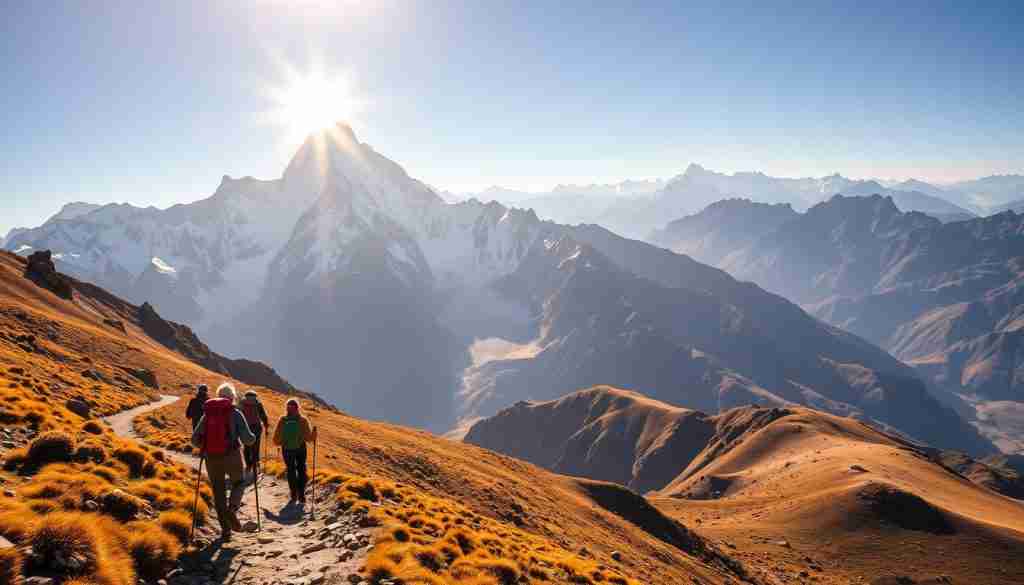
Nestled in Peru’s Ancash region, Huaraz emerges as the ultimate basecamp for Andean exploration. This vibrant city sits at the foot of the Cordillera Blanca, South America’s highest tropical mountain range. Glaciated peaks pierce cobalt skies while turquoise lakes mirror the rugged landscapes below.
Embark on Thrilling Trekking Routes
The Cordillera Blanca offers some of the continent’s most iconic mountain trails. The Santa Cruz Trek dazzles with four days of glacial valleys and jagged horizons. For seasoned hikers, the Huayhuash Circuit presents a 10-12 day challenge through remote passes exceeding 16,000 feet.
| Trek | Duration | Highlight |
|---|---|---|
| Laguna 69 Day Hike | 1 Day | Electric-blue glacial lake |
| Pastoruri Glacier | Half-Day | Ice caves & rare flora |
| Alpamayo Base Camp | 8 Days | “Most Beautiful Mountain” views |
Local tour operators provide gear rentals and certified guides. Multi-day expeditions often include cozy mountain lodges with hot meals—a welcome comfort after high-altitude adventure.
Relax by Scenic Mountain Lakes
After conquering peaks, unwind at Laguna Parón. This sapphire lake reflects the towering north face of Huandoy Peak. Easier trails around Llanganuco Lakes offer gentle walks through quenual forests, perfect for acclimatization days.
The city itself buzzes with post-hike energy. Cafés serve hearty lomo saltado to refuel, while gear shops stock last-minute supplies. Whether tackling week-long expeditions or savoring single-day escapes, Huaraz delivers Andean adventure paired with soul-stirring beauty.
Discover Trujillo, Chan Chan, and Huanchaco
Northern Peru reveals its historical layers through Trujillo, where ancient empires left enduring marks alongside vibrant coastal culture. This sun-kissed region blends archaeological wonders with relaxed beach life, offering travelers diverse places to visit within a compact area.
Step Back in Time at Pre-Inca Ruins
Chan Chan, the largest pre-Columbian adobe city in the Americas, sprawls across 7.7 square miles near Trujillo. Wander through labyrinthine walls adorned with fish and wave motifs—symbols of the Chimú civilization’s ocean reverence. Nearby, the Huacas del Sol y de la Luna showcase Moche culture’s vivid murals depicting mythological scenes.
| Archaeological Site | Civilization | Key Feature |
|---|---|---|
| Chan Chan | Chimú | Massive adobe complex |
| Huaca del Sol | Moche | Pyramid with 143 million bricks |
| Huaca de la Luna | Moche | Polychrome reliefs |
Experience Coastal Vibes and Surf Culture
Huanchaco’s crescent-shaped bay pairs ancient traditions with modern surf culture. Watch fishermen paddle caballitos de totora—reed boats used since Moche times—then ride the same waves on a board. Beachfront cevicherías serve fresh catches as sunset paints the Pacific in gold and violet hues.
Guided tours seamlessly connect these experiences. Morning explorations of ruins transition to afternoon surfing lessons or seaside massages. For extended trips, the enigmatic Nazca Lines lie a scenic flight south—adding celestial mystery to this coastal village’s earthly charms.
Experience Reserva Nacional Tambopata
Deep within Peru’s Amazon basin lies a realm where biodiversity thrives in untouched splendor. Reserva Nacional Tambopata shelters over 600 bird species and 1,200 butterfly varieties within its 274,690 protected hectares. This ecological treasure transforms tours into immersive journeys through one of Earth’s most complex ecosystems.
Encounter Exotic Wildlife Up Close
Guided expeditions reveal scarlet macaws flocking to clay licks and caimans gliding through oxbow lakes. Multi-day itineraries maximize sightings of capybaras, giant otters, and nocturnal primates. Expert naturalists decode jungle rhythms using animal tracks and canopy whispers.
Eco-conscious adventures blend comfort with sustainability. Rainforest lodges like Refugio Amazonas offer solar-powered cabins connected by elevated walkways. Extended stays allow deeper exploration of hidden trails and remote oxbow lakes.
| Lodge | Location | Key Feature |
|---|---|---|
| Tambopata Research Center | Near Macaw Clay Lick | Scientific tourism programs |
| Posada Amazonas | Community-owned reserve | Ethno-botanical walks |
| Inkaterra Hacienda Concepción | Lake Sandoval vicinity | Canopy zip-line tours |
Cultural exchanges with Ese’eja villages reveal ancestral plant medicine practices. Visitors learn sustainable harvesting techniques for Brazil nuts and natural dyes. Evening canoe rides beneath star-filled skies complete this Amazonian trip into nature’s grand theater.
Discover Paracas National Reserve
Where rust-colored dunes tumble into turquoise waves, Paracas National Reserve paints a masterpiece of contrasts. This coastal sanctuary blends arid desertscapes with thriving marine ecosystems, creating a visual symphony of red cliffs and sapphire water. Visitors find themselves straddling two worlds—one shaped by relentless winds carving sandstone, the other teeming with seabirds and sea lions.
Witness Desert Landscapes Meet the Sea
A tour to the Ballestas Islands unlocks the reserve’s wild heart. Hour-long boat rides reveal penguins darting through coves and pelicans nesting on guano-streaked cliffs. Guides point out the enigmatic Paracas Candelabro—a 595-foot geoglyph etched into a hillside, its purpose still debated by historians.
The reserve’s Martian-like terrain shines during golden-hour drives. Stop at viewpoints like Mirador de los Cóndores to watch desert hues shift from ochre to crimson. Most day trips from Lima take 4-5 hours, making this an accessible escape for time-crunched travelers.
For those extending their journey, the nearby Nazca Lines offer another layer of mystery. Paracas’ magic lies in its duality: barren expanses suddenly yielding to life-rich shores. As one naturalist remarked, “This is where the desert learns to swim.”
Guide to Top Travel Destinations in Peru
Crafting the perfect Peruvian journey requires balancing iconic sites with unexpected discoveries. Our guide distills years of expertise into actionable insights, helping travelers build itineraries that resonate with personal interests. Whether drawn to ancient history or natural wonders, every trip benefits from strategic planning.
Expert Recommendations and Hidden Gems
Seasoned explorers suggest pairing famous routes like the Inca Trail with lesser-known alternatives. The Quarry Trail offers equally stunning vistas without crowds, while Kuelap’s cloud-shrouded ruins rival Machu Picchu’s grandeur. For cultural immersion, consider these places:
- Chinchero’s weaving cooperatives for textile workshops
- Pacaya-Samiria Reserve for nocturnal wildlife safaris
- Caral’s pyramids, older than Egypt’s Giza Plateau
Planning Your Itinerary with Ease
Allocate 10-14 days to comfortably explore multiple regions. Coastal deserts, Andean highlands, and Amazon rainforests each deserve 3-4 days minimum. Use this framework to structure your list:
| Trip Focus | Duration | Key Experiences |
|---|---|---|
| Cultural Deep Dive | 12 Days | Cusco, Sacred Valley, Lake Titicaca |
| Adventure Seeker | 10 Days | Inca Trail, Colca Canyon, Huaraz |
| Coastal & Culinary | 8 Days | Lima, Paracas, Trujillo |
Local guides emphasize pacing: “Don’t let altitude rush you—schedule rest days in Cusco or Arequipa.” Morning flights between cities maximize exploration time. For those aiming to visit Peru comprehensively, combining classic destinations with emerging regions creates a truly unique way to experience this multifaceted country.
Unveil Chachapoyas and the Mystical Kuelap
Nestled in Peru’s northern cloud forests, Chachapoyas whispers secrets of a civilization that thrived centuries before Inca rule. Known as the “Warriors of the Clouds,” the Chachapoya people left behind stone citadels clinging to misty mountain slopes. Their enigmatic history unfolds through circular ruins and intricate carvings hidden beneath emerald canopies.
Explore Ancient Fortresses and Enigmatic Ruins
The fortress of Kuelap stands as their crowning achievement. Built with volcanic rock and limestone, this walled city features 400+ structures atop a 9,842-foot ridge. Guided trips reveal sloping walls designed to repel invaders and ceremonial platforms aligned with solstice sunrises. Nearby, Revash’s cliffside tombs glow with red-and-cream pictographs depicting sacred animals.
| Archaeological Site | Era | Key Feature |
|---|---|---|
| Kuelap | 6th Century AD | 20-meter defensive walls |
| Karajía | Chachapoya | Sarcophagi perched on cliffs |
| Leymebamba Museum | Modern | 200+ mummy bundles |
Discover Spectacular Waterfalls
Beyond the ruins, the region’s waterfalls cascade through rugged terrain. Gocta Falls plunges 2,530 feet in twin tiers—one of Earth’s tallest free-falling cascades. A 3-hour hike through orchid-filled forests rewards adventurers with spray-cooled vistas. Local guides share legends of a mermaid guarding hidden pools.
For an immersive adventure, combine archaeological exploration with jungle treks. Base yourself in Chachapoyas town, using day trips to balance site visits with relaxation. Pack quick-dry clothing and sturdy shoes—trails often transition from ancient stone paths to muddy slopes without warning.
Embrace Urban Culture and Coastal Retreats
Peru’s cities pulse with creative energy while coastal towns offer serene escapes. Urban hubs like Barranco in Lima blend art galleries with jazz bars, where murals splash color across colonial facades. Meanwhile, northern beaches like Máncora invite barefoot strolls at sunset.
In city centers, weekend markets overflow with handcrafted treasures. Lima’s Miraflores district dazzles with gourmet restaurants plating fusion cuisine. For authentic flavors, Arequipa’s San Camilo Market serves rocoto relleno alongside vendors sharing family recipes.
| Urban Experience | Coastal Escape | Key Feature |
|---|---|---|
| Lima Art Walk | Máncora Surfing | Local guides available |
| Cusco Music Festivals | Huanchaco Seafood | Fresh ceviche stalls |
| Arequipa Nightlife | Paracas Wildlife | Desert-meets-ocean views |
Coastal desert landscapes near Paracas create striking contrasts. Visitors kayak past sea lions in the morning, then explore rust-hued dunes by afternoon. These places balance adventure with relaxation—perfect for unwinding after city explorations.
Our guide suggests splitting your trip between urban and coastal zones. Spend three days discovering Lima’s culinary scene before heading north. Pack light layers for desert evenings and sturdy shoes for cobblestone markets. As one local chef advises: “The best memories come when you let the rhythm of Peru guide you—from salsa clubs to silent shores.”
Plan Your Ultimate Peru Adventure
Designing your dream trip requires balancing iconic landmarks with authentic cultural encounters. Our guide simplifies itinerary planning, whether you seek adrenaline-fueled activities or leisurely exploration. Smart scheduling ensures you experience Peru’s diversity without feeling rushed.
Itinerary Suggestions and Duration Tips
Allocate 3-4 days for Machu Picchu to include the Inca Trail and Sacred Valley connections. Colca Canyon demands 1-2 days for condor sightings and hot spring visits. Consider these frameworks:
| Trip Style | Duration | Key Stops |
|---|---|---|
| Classic Highlights | 10 Days | Lima, Cusco, Machu Picchu |
| Nature Immersion | 14 Days | Amazon, Andes, Lake Titicaca |
| Coastal Explorer | 7 Days | Paracas, Nazca, Trujillo |
Local Insights for an Unforgettable Trip
Combine guided tours with independent discovery. In cities like Cusco, join morning walking activities before exploring artisan markets solo. Locals recommend:
• Visiting Machu Picchu at dawn to avoid crowds
• Hiring community guides in Colca Canyon villages
• Using overnight buses between regions to save days
Balance urban stays with nature retreats—pair Lima’s culinary scene with Tambopata’s jungle lodges. As one seasoned traveler notes: “The best way to experience Peru is by letting its rhythm shape your journey.”
Conclusion
Peru’s tapestry of experiences blends ancient wonders with vibrant culture. From Machu Picchu’s cloud-kissed peaks to Lima’s culinary artistry, every journey reveals new layers. The Sacred Valley whispers Inca legends through stone terraces, while Colca Canyon thrills with condor-filled skies.
Urban gems like Cusco and Arequipa pulse with living history, where colonial churches stand atop Inca foundations. Coastal escapes and Amazon adventures showcase the country’s ecological diversity. Each city and trail tells stories shaped by people preserving traditions across generations.
Smart planning transforms a trip into a seamless exploration. Our guide helps balance iconic sites like the capital city’s Plaza de Armas with hidden treasures. Whether tracing Nazca Lines mysteries or savoring pisco sours in Barranco, thoughtful itineraries unlock deeper connections.
Those ready to visit Peru will find endless paths for discovery. Let this roadmap inspire your mountain treks, market wanderings, and sunset moments at Machu Picchu. Every step here becomes part of your own transformative story—written across landscapes where past and present dance in harmony.