Machu Picchu is a dream spot for photographers worldwide. It’s not just about taking pictures; it’s about capturing its essence. You’ll need the right gear and a keen eye for the best shots. These tips will help you see Machu Picchu’s beauty through your lens, whether you’re experienced or just starting out.
Key Takeaways
- Respect the site’s photography rules and regulations to avoid any issues.
- Invest in a versatile camera setup with wide-angle and telephoto lenses for optimal coverage.
- Arrive early (around 4:30 AM) to beat the crowds and take advantage of the magical morning light.
- Experiment with different compositions and angles to capture unique perspectives of Machu Picchu.
- Be patient and persistent – the perfect shot may require waiting for the right moment or weather conditions.
Understanding the Best Time to Visit
Deciding when to visit Machu Picchu is key for amazing landscape photography peru. The site’s visitor numbers and weather change all year. Each change brings new photo chances and challenges.
Peak Seasons vs. Off-Peak Seasons
The high season, or peak season, is June to August. The weather is usually dry and sunny, great for ancient ruins photography. But, many tourists come, making it busy.
The classic viewpoint at the Guardian House gets very crowded. It’s hard to get a clear shot.
The off-peak season, from October to February, has fewer people. But, it rains more. This weather makes it easier to take photos without crowds.
Weather Considerations
The weather at Machu Picchu is hard to predict. It’s in the high jungle. Visitors face many weather types, from sunny to rainy.
The early morning can be tough. Mist and fog often hide the mountains. This makes sunrise photos less ideal.
Sunrise vs. Sunset Photography
Many photographers love the sunrise at Machu Picchu. But, the morning light can be harsh. The mist can also hide the view.
Try visiting in the late afternoon, around 3 pm. The light is softer and better for landscape photography peru. Fewer people are around, making it peaceful.
Plan to stay at least two days at Machu Picchu. This lets you adapt to weather changes. You’ll have more chances to get the perfect shot.
Choosing the Right Gear
To capture the stunning views of Machu Picchu, you need the right photography gear. Some rules, like no tripods without permission, apply. But, the right tools can enhance your travel photography machu picchu journey.
Camera Recommendations
For top-notch photos, a DSLR or mirrorless camera is best. They handle Machu Picchu’s varied lighting well. If space is tight, compact cameras or GoPros are good alternatives.
Essential Lenses for Landscape Shots
- Wide-angle lens (16-35mm or 24-105mm): Capture the grand scale of the Inca citadel and its surrounding mountains.
- Zoom lens (70-200mm): Bring a telephoto lens to frame close-up details and isolate specific architectural elements.
Accessories to Enhance Your Photos
- Extra batteries: Ensure you have enough power to last through your Machu Picchu machu picchu vacation photos.
- Polarizing filter: Help manage harsh sunlight and enhance the vibrancy of your shots.
- Weatherproof gear: Bring a rain cover or waterproof bag to protect your equipment from the occasional mist.
- Memory cards: Pack plenty of high-capacity SD cards to capture all your memorable moments.
Remember, pack light and avoid bulky gear. It helps avoid extra fees and unwanted attention. Focus on the essentials for a great Machu Picchu photography experience.
| Gear | Recommendation |
|---|---|
| Camera | DSLR, Mirrorless, or Compact Camera |
| Wide-Angle Lens | 16-35mm or 24-105mm |
| Zoom Lens | 70-200mm |
| Accessories | Extra Batteries, Polarizing Filter, Weatherproof Gear, Memory Cards |
Mastering Composition Techniques
Capturing Machu Picchu’s beauty requires a keen eye for composition. As you explore this Inca citadel, learn to frame your shots for stunning landscape photography. Use techniques like the rule of thirds and leading lines to improve your machu picchu photo tours and landscape photography peru.
The Rule of Thirds and Golden Ratio
The rule of thirds is a key photography principle. Imagine your frame divided into nine parts. Place your subjects at these points or on the lines for balance. The golden ratio also helps create harmony in your Machu Picchu photos.
Harnessing Leading Lines
Machu Picchu’s Inca architecture offers many leading lines. These lines, like staircases and stonework, guide the viewer’s eye. Try different camera positions to highlight these lines and add depth to your machu picchu photo tours and landscape photography peru.
Framing and Depth of Field
Use doorways, windows, and natural frames to add depth to your photos. Adjust your depth of field to blur the background and keep your subject sharp. This is great for detailed shots of the stonework or architecture.
Mastering composition is crucial for capturing Machu Picchu’s essence. By using the rule of thirds, leading lines, and creative framing, you can enhance your machu picchu photo tours and landscape photography peru. Your photos will show the site’s grandeur and details in a striking way.
Capturing Unique Perspectives
Machu Picchu, the famous Inca citadel in the Andes, is a photographer’s dream. It offers more than just the usual shots of the ruins. You can find unique views that show off the site’s beauty and its natural setting. Whether you’re an expert or just starting, finding these special spots can make your machu picchu photoshoot unforgettable.
Aerial-like Perspectives from the Terraces
The terraces around Machu Picchu are perfect for unique photos. Standing on the steps, you get a view from above. This view is amazing, with the ruins and landscape looking like a painting, thanks to the changing light.
Panoramic Vistas from the Sun Gate
The Sun Gate (Intipunku) is a must-see for an incredible view. It’s the ancient Inca entrance to Machu Picchu. Here, you can see the whole site, best during sunrise or sunset. The ruins, mountains, and light make for a scene that will amaze any peru photography guide.
Exploring Hidden Gems and Unique Angles
While the main ruins are stunning, look for hidden spots for new angles. Places like the Inca Bridge and the Guardian House offer special views. Exploring these areas can lead to amazing photos that stand out.
Even though drones are not allowed at Machu Picchu, you can still get aerial shots. Use the site’s height and creative framing to get that aerial feel. This way, you can capture the essence of this incredible UNESCO World Heritage Site.
Leveraging Natural Light
Capturing Machu Picchu’s essence requires understanding natural light. Landscape photography enthusiasts find this iconic Peruvian spot a treasure trove. Mastering light’s changes is key to stunning images.
Best Times for Soft, Flattering Light
The early morning and late afternoon are best for Machu Picchu photos. During these times, the sun’s warm glow brings out the ruins’ details. Arrive by 6 AM to capture the mist and shadows at sunrise.
Overcoming Harsh Midday Sun
The midday sun can be tough, causing harsh shadows and contrast. Use a polarizing filter to soften glare and colors. Look for shaded spots, like terraces and doorways, for better light.
Harnessing the Power of Shadows
Shadows can add depth and intrigue to your photos. Try backlit subjects, silhouettes, and sidelighting. They highlight Machu Picchu’s architecture and sense of place.
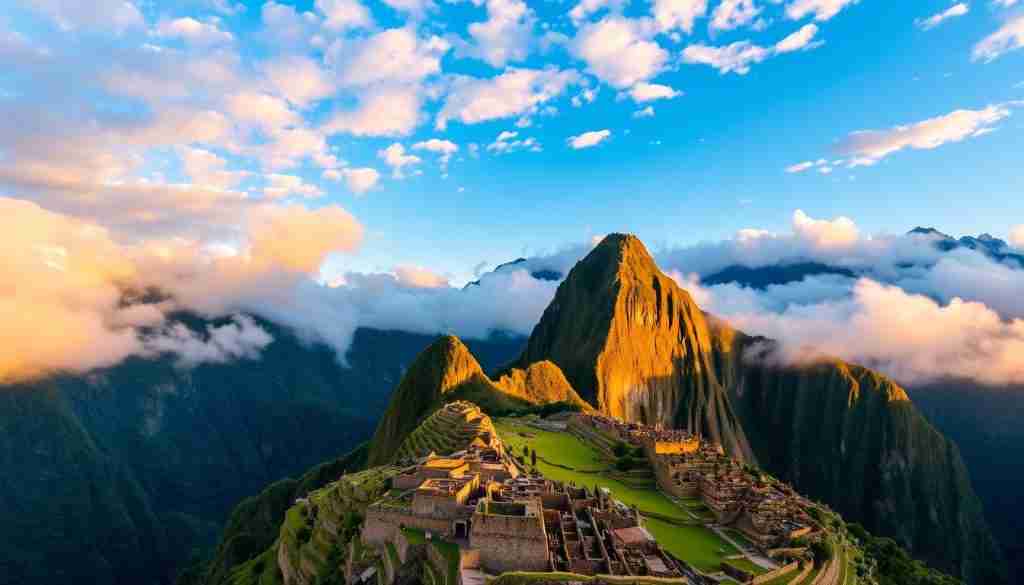
By using Machu Picchu’s natural light, photographers can make their images stand out. Each lighting condition, from dawn’s glow to sunset’s hues, offers unique chances to explore and master.
Preparing for the Hike
Hiking to Machu Picchu is a dream for many. Whether you choose the classic Inca Trail or a 2-day trek, getting ready is key. You’ll need the right photography gear and packing tips for a great Machu Picchu photo tour.
Essential Photography Gear
For the Inca Trail, pack light but bring what you need. A good camera, like a DSLR or mirrorless, with wide-angle and telephoto lenses is essential. Also, remember extra batteries, memory cards, and a tripod for steady shots in low light.
Packing Tips for a Comfortable Trip
- Choose a comfortable backpack within the size limit (40x35x20cm) for your gear.
- Carry at least 1 liter of water to stay hydrated.
- Snacks like nuts, dried fruit, or energy bars are great for refueling.
- Wear sturdy, well-broken-in hiking shoes for support and traction.
- Dress in layers for changing weather, from cool mornings to warm afternoons.
Staying Hydrated and Energized
Staying hydrated and energized is vital at high altitudes. Drink plenty of water and consider electrolyte drinks or snacks. If you can, visit over two days to pace yourself and enjoy both hiking and photography.
“The journey itself is just as rewarding as the final destination when it comes to the Inca Trail and Machu Picchu. Take the time to soak in the stunning landscapes and ancient ruins along the way.”
With the right gear, smart packing, and energy management, you’re set to capture Machu Picchu’s magic during your photo tour.
Engaging with Local Culture
Exploring Machu Picchu is more than just seeing ruins. It’s about connecting with the local culture. To capture real moments, include people in your photos. But, always ask for permission first.
Incorporating People in Your Photos
People make your photos of Machu Picchu come alive. Look for locals like women weaving or farmers with llamas. Including people adds depth and interest to your shots.
Respecting Cultural Sensitivities
Be careful when taking photos of the local culture. Don’t stage scenes or touch artifacts. It’s important to respect the site and the people. Approach with empathy and a desire to learn.
Capturing Traditional Practices
Seeing traditional practices or ceremonies is a rare treat. Be respectful and discreet when taking photos. Always ask for permission. These moments are special and add depth to your peru photography guide and machu picchu travel photography journey.
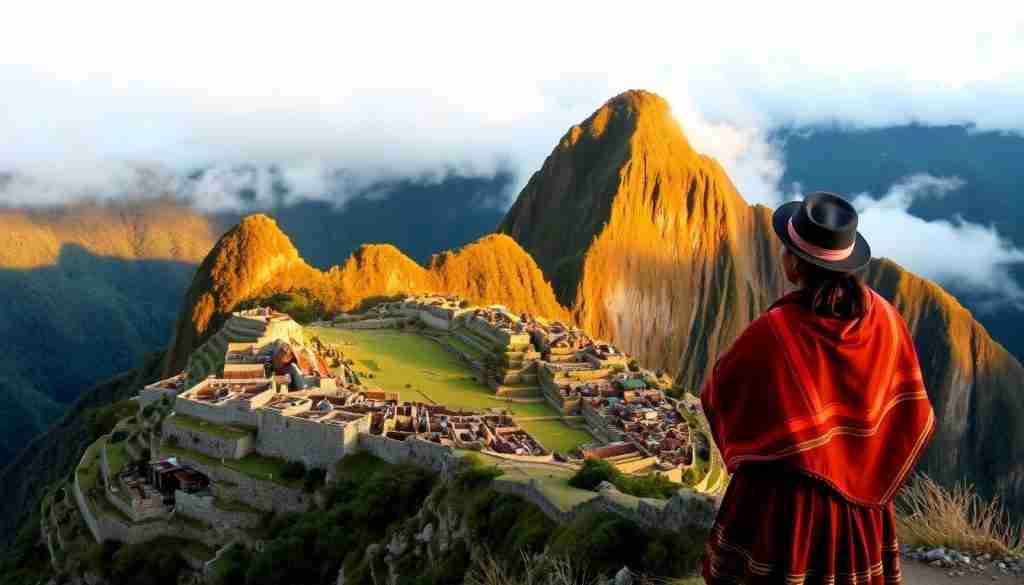
“Engaging with the local culture is one of the most rewarding aspects of machu picchu travel photography. By approaching interactions with an open mind and a willingness to learn, you can capture truly meaningful and memorable images that celebrate the spirit of this remarkable destination.”
– Jordan Hammond, freelance travel photographer and storyteller
Editing Your Photos
Capturing Machu Picchu’s beauty is just the start. The real magic comes from editing your photos. Whether you’re a pro or just a traveler, learning to edit can make your machu picchu vacation photos and landscape photography peru stand out.
Recommended Editing Software
Adobe Lightroom and Capture One are top choices for editing Machu Picchu photos. These tools offer advanced features for refining your images. You can adjust exposure, colors, and contrast to make your shots pop.
Basic Editing Techniques for Landscape Shots
- Exposure Adjustments: Balance highlights, shadows, and midtones for well-exposed images.
- Highlight and Shadow Control: Adjust these to focus the viewer’s attention on key parts of the scene.
- Color Correction: Adjust white balance and saturation to enhance colors without overdoing it.
Enhancing Color and Contrast
Machu Picchu’s stonework and landscape offer great opportunities for color and contrast enhancements. Use selective color adjustments and contrast tweaks to bring out details. But, aim for a natural look that captures the site’s beauty.
With the right editing skills and attention to detail, you can make your machu picchu vacation photos and landscape photography peru truly shine. So, explore photo editing and let your creativity soar!
Discovering Iconic Locations
Machu Picchu, the famous Inca citadel, is a photographer’s dream. It’s full of amazing shots waiting to be taken. Whether you’re a pro or just love taking pictures, these tips will show you the best spots. They’ll help you take stunning photos of this UNESCO World Heritage site.
Must-Visit Spots Within Machu Picchu
- The Guardian’s House viewpoint is a must-see for a classic Machu Picchu photo.
- The Temple of the Sun is great for architectural photos, showing off the Inca’s skill.
- Climbing Machu Picchu Mountain gives a bird’s-eye view, needing a telephoto lens for details.
- The Agricultural Terraces are perfect for sunrise or sunset photos, with magical lighting.
Hidden Gems Around the Site
While the main spots get all the attention, there are hidden gems too. These offer unique views and capture the essence of the ancient ruins.
- The Sacred Rock is a massive boulder with carvings, perfect for creative shots.
- The Intihuatana, a sundial, offers stunning views from the highest point, ideal for panoramas.
- The Inca Bridge, a risky path, gives a unique view of the landscape and ruins.
Tips for Capturing Each Location
Here are some tips for each spot to make your Machu Picchu photos amazing:
- For the Guardian’s House, get there early to avoid crowds and capture the mist.
- At the Agricultural Terraces, play with exposures and shutter speeds to highlight shadows and textures.
- Use a wide-angle lens for the Inca Bridge to show its size and the landscape.
- Try different angles and perspectives at the Intihuatana to show its beauty with sunlight.
By exploring these iconic spots and their unique views, you’ll take breathtaking photos. These will transport your viewers to the heart of this ancient ancient ruins photography.
Sharing Your Photography
After capturing the beauty of Machu Picchu, it’s time to share your photos with the world. Use social media like Instagram, 500px, and Flickr to show off your travel photography machu picchu. These platforms help you connect with others who love photography and travel.
Think about creating an online portfolio with Squarespace or Adobe Portfolio. These tools help you display your best Machu Picchu photos in a professional way. An online portfolio can also lead to new opportunities, like collaborations or freelance work.
Join online forums and photo challenges to connect with others. Follow Machu Picchu photographers for inspiration. Using hashtags on social media can also help more people see your photos.


