Machu Picchu, the ancient Incan city in Peru’s Andes Mountains, has amazed travelers for years. Rediscovered in 1911 by Hiram Bingham, it’s a UNESCO World Heritage site. It combines ancient ruins with stunning natural views.
Visitors can see the impressive stonework, terraces, and breathtaking views. These features make Machu Picchu a top dream destination.
Key Takeaways
- Machu Picchu is a UNESCO World Heritage site and one of the New Seven Wonders of the World.
- The site features impressive Incan architecture, including agricultural terraces and panoramic views of the Andes Mountains.
- Visitors can explore the ruins, hike nearby trails, and immerse themselves in the rich history and culture of the Inca civilization.
- Machu Picchu attracts millions of visitors annually, making it a highly sought-after travel destination.
- Careful planning is required to navigate the site’s regulations, transportation options, and potential challenges like altitude sickness.
Introduction to the Lost City of the Incas
Machu Picchu is a famous Inca ruin in the Andes Mountains. It shows the skill and building talent of the ancient Incas. Built around 1450 AD, it was likely a royal home of Pachacutec.
For centuries, it was hidden and forgotten. Then, in 1911, American explorer Hiram Bingham found it.
Historical Significance and Discovery
The finding of Machu Picchu amazed the world. It revealed the amazing Inca ruins and the ancient cultures that lived there. Bingham thought he found Vilcabamba, the last Inca stronghold. But, he later found that Machu Picchu was something else special.
UNESCO World Heritage Status
Machu Picchu was named a UNESCO World Heritage site in 1983. This honor shows its cultural and natural value. It’s seen as a global treasure that needs to be saved for the future.
Archaeological Importance
The ruins of Machu Picchu show the Incas’ advanced building skills. They had smart water systems and buildings that could stand earthquakes. Excavations have found many artifacts and human remains. These discoveries give us a glimpse into the Inca’s life, rituals, and culture.
“Machu Picchu is one of the most significant archaeological sites in South America and a true wonder of the world.”
| Key Facts about Machu Picchu | Statistics |
|---|---|
| Estimated Year of Construction | Around 1450 AD |
| Maximum Population Size | Approximately 1,000 people |
| Percentage of Ruins Reconstructed | Around a third |
| Altitude Range | 6,700 to 12,000 feet above sea level |
Best Time to Visit Machu Picchu
Machu Picchu, the famous Incan citadel in Peru, is a top spot for travelers. The best time to visit depends on the weather and tourist seasons.
The peak tourist season is from June to August, the dry season. It offers clear skies and mild temperatures. But, it also means more people. For a quieter visit, consider April to May or September to October. These months have good weather and fewer tourists.
The rainy season is from November to March. It’s wetter, but there are fewer people. If you don’t mind the rain, it’s a good time to see Machu Picchu with fewer crowds.
The weather at Machu Picchu can change quickly. It’s warm during the day and cool at night. Packing right can make your visit comfortable and memorable.
| Month | Temperature Range | Rainfall | Crowd Levels |
|---|---|---|---|
| June – August | 12°C (54°F) to 24°C (75°F) | Minimal | High |
| April – May, September – October | 12°C (54°F) to 22°C (72°F) | Moderate | Medium |
| November – March | 12°C (54°F) to 18°C (64°F) | High | Low |
By looking at the machu picchu weather and peru travel seasons, you can plan your trip. This way, you can have the best experience at Machu Picchu.
Getting to Machu Picchu: Transportation Options
Getting to Machu Picchu is a big part of the adventure. You can fly into Cusco or take the train to Aguas Calientes. These are the main ways to get to machu picchu transportation and cusco to machu picchu.
Flying to Cusco
First, you’ll fly to Cusco. This is the start of your journey. Flights from Lima take about 1 hour and 5 minutes. Airlines like LAN, Avianca, and Peruvian Air Line have regular flights.
Train Services and Routes
After Cusco, you’ll take a train to Aguas Calientes. PeruRail and Inca Rail offer these services. The trip takes around 3.5 hours from Cusco or 1.5 hours from Ollantaytambo. Book your tickets early, especially in peak season.
Bus Transportation from Aguas Calientes
From Aguas Calientes, a 30-minute bus ride takes you to Machu Picchu. The bus ticket costs $24 round trip. Buses run all day. You can also hike from Aguas Calientes to Machu Picchu in about 90 minutes.
Booking in advance is key for all transport. This ensures a smooth trip to Machu Picchu. Plan your machu picchu transportation and cusco to machu picchu journey well.
Exploring Machu Picchu: Essential Areas and Attractions
The Machu Picchu ruins sit atop the Andes Mountains in Peru. They showcase the Inca civilization’s genius and architectural skills. This UNESCO World Heritage site is a journey through the lost city’s remnants, with many areas and attractions to see.
The Temple of the Sun is at the site’s heart. It’s aligned to catch the solstices perfectly. Next to it, the Intihuatana stone is thought to be an ancient astronomical clock. It shows the Inca’s deep understanding of the universe. The Sacred Plaza, with its stunning temples and plazas, highlights the Inca’s machu picchu ruins and inca architecture.
The site has urban and agricultural sectors, with over 150 buildings and many terraces. Visitors can reach the Sun Gate for breathtaking views. Or, they can explore the Principal Temple’s detailed stonework, marveling at the Inca stonemasons’ skill.
| Elevation of Machu Picchu | 7,970 ft (2,430 m) |
|---|---|
| Machu Picchu Visitors in 2019 | 1,585,300 |
| Visitor Capacity per Day (High Season) | 5,600 |
A guided tour is the best way to understand Machu Picchu’s history and architecture. Guides share stories and insights that make the site come alive. They help visitors grasp the Inca legacy’s significance.
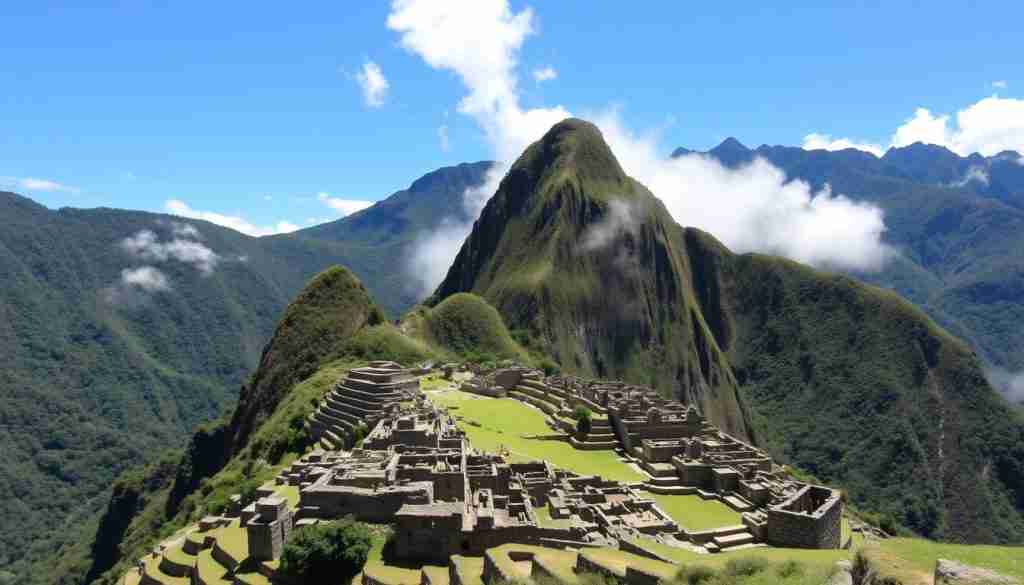
Hiking Options and Trail Adventures
Visitors to Machu Picchu can enjoy a variety of hiking experiences. From the famous Inca Trail to other treks and day hikes, each offers a unique view of this UNESCO World Heritage site.
Classic Inca Trail Experience
The Classic Inca Trail is a 4-day, 26-mile trek to the Sun Gate. It’s a challenging hike through the Andes, with only 400 spots available each day. It’s best to book early as it often sells out fast.
Hikers will cover about 11 km on the first day. It takes 6-7 hours to reach the first campsite.
Alternative Trek Routes
For a different experience, try the 5-day Salkantay Trek or the 4-day Lares Trek. The Salkantay Trek shows off snow-capped peaks and subtropical forests. The Lares Trek lets you connect with local Andean communities.
Day Hikes Within the Sanctuary
Inside the Machu Picchu sanctuary, there are shorter hikes to amazing spots. Hiking Huayna Picchu or Machu Picchu Mountain offers stunning views. But, you need a special permit for these hikes, limited to 400 tickets a day.
The Inca Bridge and Sun Gate are also great hikes. You can enjoy them with a general ticket. No matter the hike, planning ahead is key. Permits and tickets sell out fast, especially from April to October.
“The Inca Trail is a once-in-a-lifetime experience, offering a truly immersive journey through the heart of the Andes and the ancient Inca civilization.”
Accommodation and Dining Choices
Planning your trip to Machu Picchu means finding the right place to stay and eat. The area around this UNESCO World Heritage site has many options. You can choose from machu picchu hotels to more affordable choices.
The Belmond Sanctuary Lodge is the closest hotel to Machu Picchu. But, Aguas Calientes has many aguas calientes restaurants and hotels too. The Inkaterra Machu Picchu Pueblo Hotel is a favorite. In Ollantaytambo, the El Albergue is also a top pick.
Aguas Calientes has a wide range of dining options. You can try Tree House for eco-friendly food or Indio Feliz for fusion dishes. Remember, there aren’t many places to eat inside Machu Picchu.
Book your stay early, especially when it’s busy. Many hotels also offer luggage storage. This lets you explore Machu Picchu without carrying bags.
| Accommodation | Location | Description |
|---|---|---|
| Belmond Sanctuary Lodge | Machu Picchu | The only hotel adjacent to the Machu Picchu site |
| Inkaterra Machu Picchu Pueblo Hotel | Aguas Calientes | A popular hotel in the gateway town to Machu Picchu |
| El Albergue | Ollantaytambo | A well-regarded accommodation choice in the Sacred Valley |
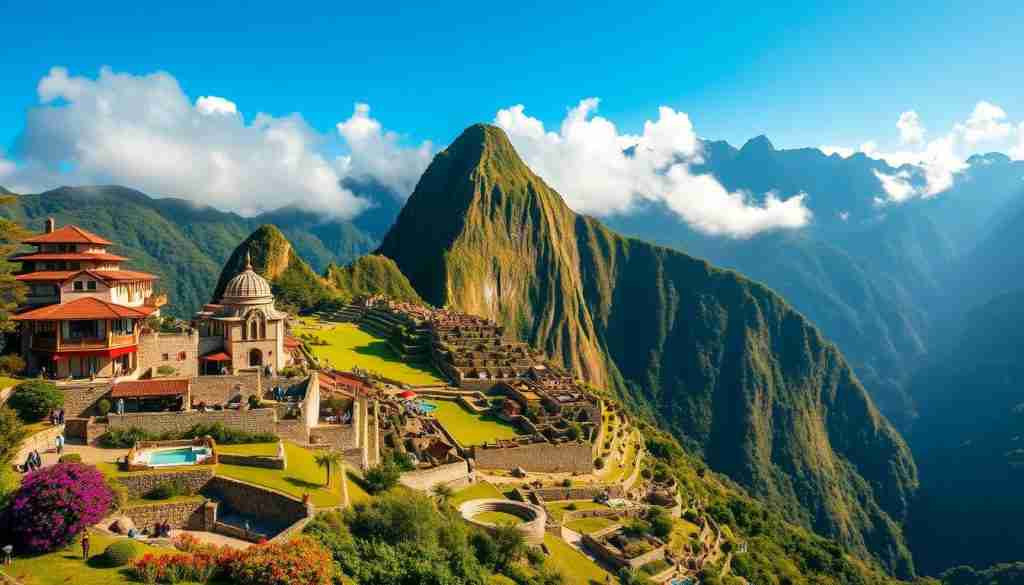
Looking for luxury or something more affordable? The Machu Picchu area has many places to stay and eat. It’s all about finding what fits your travel style and budget.
Practical Tips and Visitor Guidelines
Visiting Machu Picchu needs careful planning. Knowing the practical tips and visitor guidelines is key for a great experience.
Ticket Types and Reservations
Machu Picchu tickets must be bought in advance. They are limited each day. You can choose from general entry, Huayna Picchu, or Machu Picchu Mountain tickets.
Each ticket has a specific entry time. This lets visitors explore for 4-7 hours. It’s important to stick to your entry time.
Time Management at the Site
Managing your time well is important at Machu Picchu. You must enter at your set time. You can stay for up to 4 hours to see the site’s attractions.
This rule helps keep the site from getting too crowded. It ensures everyone has a good visit.
Essential Items to Bring
- A printed ticket with your name and passport number
- Your passport for identification
- Water and snacks (no food is allowed inside the site)
- Comfortable walking shoes
- Sun protection (hat, sunscreen, sunglasses)
- Lightweight, breathable clothing
- Rain gear, as weather can be unpredictable
New rules require visitors to have a guide. The guide helps keep the site safe and follows the right paths.
“Exploring Machu Picchu is a once-in-a-lifetime experience, but it’s crucial to be prepared and follow the visitor guidelines to make the most of your visit.”
Weather and Climate Considerations
Machu Picchu sits high in the Andes Mountains. It has a unique machu picchu climate that’s different from the rest of the andes weather. The ancient Inca citadel has two main seasons. From April to October, it’s dry. From November to March, it’s wet.
In the dry season, days are warm, from 65°F to 77°F (18°C to 25°C). Nights are cooler, around 50°F (10°C). This is the busiest time, especially in July. Visitors should wear layers because of the humidity and changing weather.
The wet season brings warmer days, about 68°F (20°C), and cooler nights, around 54°F (12°C). Though it rains more, the greenery and fewer people make it attractive for some.
It’s key to check the weather forecast and pack right. Machu Picchu’s climate can change a lot, unlike Cusco or the Sacred Valley. Be ready for unexpected weather changes.
“The weather at Machu Picchu can be unpredictable, with sudden changes in temperature and cloud cover throughout the day. Packing layers and being prepared for rain is crucial for an enjoyable visit.”
Knowing the machu picchu climate and andes weather helps plan a visit to this famous UNESCO World Heritage site. It makes your Andean adventure better.
Cultural and Spiritual Significance
Machu Picchu is a treasure of Inca culture and ancient Peruvian civilizations. Its architecture shows the Incas’ deep understanding of the universe. They built it with a focus on the stars and their beliefs.
The Intihuatana stone is at Machu Picchu’s center. It was used for spiritual rituals and as a solar calendar. This site connected the Incas to the heavens, helping them track the sun.
“Machu Picchu is not just an archaeological site; it is a living testament to the enduring spirit of the Inca people. The site’s spiritual resonance continues to captivate and inspire visitors from around the world.”
Today, Machu Picchu is sacred for many Peruvians. They visit to honor their ancestors and connect with their heritage. It’s a bridge between the past and now, where visitors can dive into the Inca civilization and ancient Peruvian civilizations.
Machu Picchu’s terraces, stone walls, and trails show the Incas’ love for nature and their beliefs. Walking through, visitors feel the Inca culture’s presence. It’s a connection that inspires people worldwide.
Health and Safety Precautions
Planning your trip to Machu Picchu? Remember, the high altitude can be challenging. Machu Picchu sits at 7,970 feet (2,430 meters). This can be tough for those not used to such heights.
Altitude Acclimatization
To avoid altitude sickness, spend a few days in Cusco or the Sacred Valley first. These places are higher up. This helps your body get used to the thinner air.
Drink plenty of water, skip the alcohol, and try coca tea. These steps can help with the altitude.
Medical Preparations
Make sure you have good travel insurance for medical emergencies. Talk to your doctor and get any needed shots before you go. The closest clinic is in Aguas Calientes. But, Cusco’s bigger hospitals are four hours away by train or helicopter.
Safety Guidelines
Machu Picchu is mostly safe, but follow the rules to keep it and yourself safe. Be careful on steep stairs and cliffs. Don’t touch or take any artifacts.
Also, watch your stuff in crowded places to avoid pickpocketing. With these steps, you’ll have a safe and memorable visit to Machu Picchu.