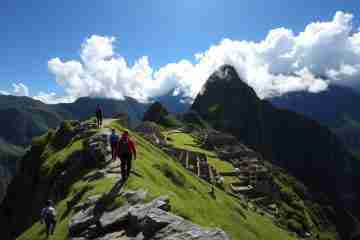
Peru is a land of rich cultural diversity. Ancient Incan ruins blend with modern traditions here. Travelers can explore the iconic Machu Picchu and hike the legendary Inca Trail. Peru’s culture is a mix of indigenous, Hispanic, and immigrant influences, offering a unique experience.
Peru’s natural wonders, like the Amazon Rainforest and Lake Titicaca, are also worth seeing. They offer a chance to explore history and nature. By diving into local customs, you’ll understand and appreciate Peru’s vibrant culture more.
Key Takeaways
- Discover the ancient wonder of Machu Picchu and hike the Inca Trail
- Explore Peru’s diverse cultural influences, from indigenous to Hispanic
- Immerse yourself in the country’s natural beauty, from the Amazon Rainforest to Lake Titicaca
- Engage with local customs and traditions for a deeper cultural understanding
- Uncover the rich heritage and history that makes Peru a truly unique destination
The Rich Tapestry of Peruvian Culture
Peru’s culture is a mix of old traditions and new ideas. It shows the country’s deep history and strong spirit. From ancient Incan buildings to tasty food, Peru’s culture is unique and lively.
Overview of Peru’s Cultural Heritage
The Incan Empire’s legacy is big in Peru. You can see it in the language, customs, and buildings. The Spanish also left their mark, especially in religion and city design.
Now, Peru is a mix of many cultures. You’ll find indigenous, European, and Asian influences everywhere. This makes Peru’s culture very rich and varied.
Influences from Ancient Civilizations
Peru’s culture comes from ancient times. The Incas and Chankaya left a lasting impact. Their art, buildings, and crafts, like Andean textile weaving and pottery and ceramics, still amaze people today.
Modern Cultural Expressions
Today, Peru is full of life and culture. You can learn about peruvian cuisine classes in Lima. Or go on amazon rainforest expeditions to see the natural beauty.
The art scene in Peru is also thriving. You’ll find modern art, music, and dance everywhere. It shows how Peruvian culture is always changing and growing.
“Peru’s cultural heritage is a rich and layered tapestry, woven with the threads of ancient civilizations, colonial influences, and modern dynamism. It is a testament to the resilience and adaptability of the Peruvian people.”
Traditional Peruvian Festivals to Experience
Peru is a vibrant tapestry of cultural traditions. Its festivals show the country’s rich heritage. From the colorful Inti Raymi to the solemn Semana Santa, these events let visitors dive into local life.
Inti Raymi: Celebration of the Sun
Inti Raymi, the Festival of the Sun, is a highlight in Peru. It’s held on June 24th in Cusco, the ancient Inca capital. This festival honors the Inca sun god, Inti, with music, dance, and ceremonies.
It draws thousands from around the world. The festival’s colorful costumes and processions show Peru’s Incan heritage.
Semana Santa: Holy Week Traditions
Peru’s Catholic population celebrates Semana Santa with solemn processions. These reflect Spanish colonial history’s influence on Peruvian culture. Visitors can see these displays of faith in cities like Cusco and Ayacucho.
Peru also has many other festivals. From Carnaval in Cajamarca to La Fiesta Candelaria in Puno, these events let visitors experience local traditions. Exploring Peru’s festivals is a great way to connect with its rich heritage.
“Peru’s festivals are a tapestry of traditions, weaving together the country’s diverse cultural heritage and offering visitors a truly immersive experience.”
Culinary Adventures: Tasting Peru
Peruvian cuisine is a mix of indigenous tastes and global influences. The country’s varied landscapes lead to unique ingredients. Start a food journey in Peru to explore its rich culinary traditions.
The Influence of Indigenous Ingredients
Quinoa, potatoes, and corn are key ingredients in Peru. These native crops, along with seafood, vegetables, and herbs, create Peruvian cuisine’s vibrant flavors. See how these elements are used in both traditional and modern dishes.
Must-Try Dishes and Drinks
Visiting Peru means trying its famous dishes. Enjoy the tangy ceviche, the flavorful lomo saltado, and the creamy aji de gallina. Don’t forget the Pisco Sour, Peru’s national drink, made with Pisco, lime, and egg whites.
Culinary Tours and Cooking Classes
Dive into Peru’s culinary culture through hands-on experiences. Explore Lima, Cusco, or Arequipa’s markets and learn about local ingredients. Join cooking classes to learn about Peruvian dishes, from Pachamanca to ceviche.
| Culinary Experience | Location | Highlights |
|---|---|---|
| Lima Gourmet Food Tour | Lima | 5 stops across 3 vibrant districts, comprehensive experience of Lima’s gastronomy |
| Pachamanca Lunch in the Sacred Valley | Sacred Valley | Cooking of marinated meats, potatoes, and corn using traditional underground method |
| Traditional Arequipa Flavors and Sightseeing | Arequipa | 4-hour experience sampling over 14 authentic Peruvian flavors unique to Arequipa |
| Street Food Tour in Lima | Lima | Exploration of more than 13 Peruvian foods and drinks in the Historic Center of Lima |
| Chocolate Workshop in Cusco | Cusco | Hands-on experience in creating chocolate products, education on cacao and chocolate types |
“Peruvian cuisine has incorporated over 2000 years of diverse cultures, resulting in a rich culinary experience for tourists.”
Artisans and Crafts: A Glimpse into Tradition
Peru is a treasure trove of rich cultural heritage. Its artisanal crafts show the enduring traditions of its people. From the Andean textile weaving in Cusco to the intricate pottery of Ayacucho, artisans have mastered ancient techniques. These continue to captivate both locals and visitors.
Textiles: Weaving Stories into Fabric
The art of Andean textile weaving is a true expression of Peruvian cultural experiences. In Cusco, artisans create intricate, vibrant textiles using traditional methods. Visitors can witness the weaving process and even participate in hands-on workshops.
This gives them a deeper appreciation for the skill and artistry involved.
Pottery and Ceramics: Ancient Techniques
Peruvian pottery and ceramics are known for their exceptional quality and unique designs. In communities like Quinua, artisans continue to practice traditional techniques. They craft everything from decorative vases to functional kitchenware.
Visitors can explore these workshops and immerse themselves in the rich history and cultural significance of these ancient art forms.
Jewelry: Gold and Silver Craftsmanship
The art of jewelry making in Peru has deep roots in pre-Columbian and Inca traditions. Artisans in cities like Lima and Taxco expertly craft exquisite pieces using gold and silver. They often incorporate intricate filigree and semi-precious gemstones.
These unique creations not only showcase the country’s artistic heritage but also make for cherished souvenirs and gifts.
“Peruvian artisans have a deep connection to their cultural heritage, and their crafts are a testament to the enduring traditions that have been passed down through generations. Exploring these artisanal workshops is a truly immersive experience that allows visitors to gain a deeper appreciation for the country’s rich cultural tapestry.”
Exploring Peru’s Indigenous Communities
Peru is home to many cultures, especially the Quechua and Aymara peoples. These groups have kept their languages, customs, and ways of life alive. This gives visitors a chance to see Peru’s rich heritage.
Understanding the Quechua and Aymara Cultures
The Quechua and Aymara have lived in the Andes for a long time. They have greatly influenced Peru’s culture. Events like the Inti Raymi festival in Cusco and the Qoyllur Rit’i pilgrimage show their traditions.
Community-Based Tourism Opportunities
Travelers can dive into the lives of indigenous communities through tourism. On the Uros floating reed islands on Lake Titicaca, you can see how the Uros people live. You can also stay with families on Taquile Island and learn about their traditions.
For a deeper cultural experience, try learning the Quechua language. You can also join in on activities like weaving, pottery, and cooking. These experiences make your visit more meaningful.
| Indigenous Community | Unique Experiences | Location |
|---|---|---|
| Uros People | Floating reed islands, traditional boat rides, homestays | Lake Titicaca |
| Taquile Island | Homestays, traditional weaving demonstrations, cultural performances | Lake Titicaca |
| Quechua Communities | Quechua language immersion, weaving workshops, traditional cooking classes | Cusco, Sacred Valley |
By connecting with these communities, you learn more about Peru’s culture. You also help keep their traditions alive and support local economies.
Sacred Sites and Their Cultural Significance
Peru’s sacred sites give us a peek into the country’s ancient past. At the center is the famous Machu Picchu, a UNESCO World Heritage Site. It draws visitors from everywhere. But Machu Picchu is just one of many sites that show the Inca Empire’s creativity and spirituality.
Machu Picchu: The Lost City of the Incas
The Historic Sanctuary of Machu Picchu sits high in the Andes, over 2,400 meters up. It’s a marvel of Inca architecture and engineering. This citadel was once a place for religion, ceremonies, and farming, with about 200 buildings.
Machu Picchu amazes people with its beauty, detailed stonework, and the secrets of its past.
The Sacred Valley: Heart of Peruvian Heritage
The Sacred Valley is over 60 miles long, following the Urubamba River. It’s full of Incan ruins and cultural spots. Places like Ollantaytambo and Pisac are key to Peruvian culture.
Other important sites include Moray, for its farming research, and Chinchero, famous for its weaving and salt making.
The Sacred Valley was crucial for the Inca Empire’s food and travel. Today, it’s a cultural center with traditional Andean communities. They are known for their crafts, textiles, and rich culture.
| Site | Distance from Cusco | Key Highlights |
|---|---|---|
| Pisac | 33 km | Artisan market, Inca ruins |
| Ollantaytambo | 97 km | Well-preserved Inca ruins |
| Moray | 74 km | Inca agricultural research center |
| Chinchero | 28 km | Alpaca weaving, salt collection |
Visiting these sites and the Inca Trail lets you dive into Peru’s rich culture. Whether you’re on machu picchu tours or inca trail hikes, you connect with the past. You gain a deeper understanding of the Andean region’s importance.
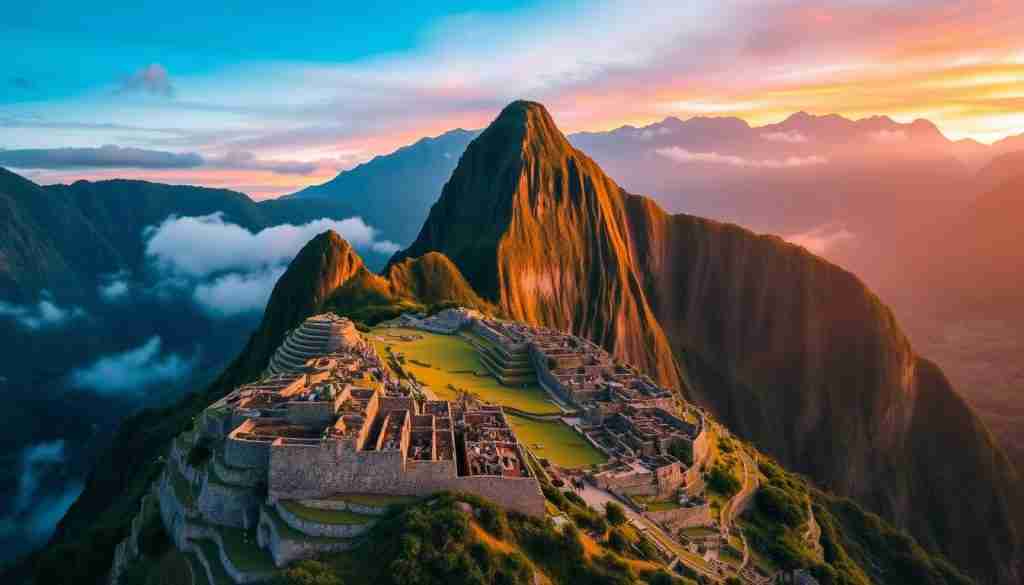
“The ruins of Machu Picchu are one of the most stunning architectural achievements of the Inca Empire, hidden from the world for over 400 years until its rediscovery in 1911.”
Music and Dance: Rhythms of Peru
Peruvian music and dance are key parts of the country’s rich cultural experiences. These lively arts show Peru’s varied heritage. They mix ancient traditions, colonial influences, and modern styles.
Traditional Instruments and Their Roles
At the heart of Peruvian music are traditional instruments loved for generations. The quena (a type of flute), zampoña (pan pipes), and charango (a small guitar-like instrument) are famous in Peru.
These instruments are vital in many musical and cultural events. They add unique sounds to festivals and religious ceremonies. Their melodies and rhythms are deeply connected to Peru’s cultural identity.
Popular Dances: Marinera and Huaylas
Peruvian dance is full of life and variety, with each area having its own style. The marinera and huaylas are two standout dances.
The marinera is a graceful dance from the coast. It’s known as Peru’s national dance. It combines indigenous, Spanish, and African influences in its elegant steps and hand movements.
The huaylas is a lively dance from the Andean highlands. It’s a celebration of Andean culture. It’s known for its fast pace and synchronized steps, inviting everyone to join in.
In Peru, music and dance are big parts of festivals, religious events, and everyday life. Visitors can enjoy Peru’s lively rhythms and dances at cultural events, peñas (music venues), and traditional celebrations.
“Peruvian music and dance are not just a form of entertainment, but a living expression of the country’s deep-rooted cultural identity.”
Volunteer Opportunities: Engage with Local Communities
Volunteering in Peru lets you dive into local communities and experience the rich culture. You can join sustainable tourism projects or cultural exchange programs. These activities give you a peek into Peruvian life and help local development.
Sustainable Tourism Initiatives
Peru works hard to protect the environment and help communities. Volunteers can help with projects like saving the Amazon rainforest or supporting local artisans. These efforts keep Peru’s nature and culture alive and create jobs for locals.
Cultural Exchange Programs
Peru’s cultural exchange programs let you learn the Quechua language and understand indigenous cultures. You can take language classes, join cultural workshops, or go on community tours. These programs help build connections between visitors and locals.
| Volunteer Program | Location | Duration | Cost |
|---|---|---|---|
| Amazon Jungle Conservation | Cusco | 2 weeks | $805 |
| Teaching English | Lima | 1 week | $275 |
| Construction and Renovation | Cusco | Flexible | Varies |
These volunteer chances help local communities and let you dive into peru cultural experiences and quechua language immersion. By joining these efforts, you help with sustainable growth and learn to love Peruvian culture.

Nature and Culture: Ecotourism in Peru
Peru’s diverse ecosystems offer captivating ecotourism experiences. These blend nature and culture perfectly. From the lush amazon rainforest expeditions to the awe-inspiring Inca trail hikes, travelers can immerse themselves in Peru’s breathtaking landscapes. They also gain profound insights into the country’s rich heritage.
Exploring the Amazon Rainforest
The Amazon rainforest is a true natural wonder. It beckons adventurers to discover its incredible biodiversity. Guided expeditions offer opportunities to observe a dazzling array of wildlife, from elusive jaguars and playful river dolphins to a vibrant tapestry of tropical birds.
These immersive experiences also offer a window into the lives and traditions of indigenous communities. They foster a deeper understanding of their sustainable practices and cultural heritage.
Andes Adventures: Hiking with Cultural Insights
The rugged Andes mountain range is home to some of Peru’s most iconic hiking trails, such as the legendary Inca trail hikes. As you ascend through the breathtaking landscapes, you’ll be captivated by the region’s stunning natural beauty. You’ll also learn about the deeply rooted cultural significance of these ancient pathways.
Local guides provide invaluable insights, sharing the stories and traditions that have been passed down through generations. They enrich your adventure with a profound cultural exchange.
Across Peru, ecolodges and sustainable tourism initiatives offer travelers the opportunity to immerse themselves in the country’s natural environments. They support conservation efforts and local communities. These immersive experiences allow visitors to appreciate Peru’s unparalleled biodiversity and leave a positive impact on the destinations they explore.
“Ecotourism in Peru emphasizes environmental-friendliness, low-impact travel, and sustainability. It promotes conservation efforts and benefits local communities.”
Tips for Travelers: How to Respect and Embrace Local Culture
Exploring Peru’s rich culture is rewarding but needs respect. By diving into local customs and etiquette, you’ll understand and appreciate this country more.
Language Basics: Communicating with Locals
Spanish is the main language in Peru, but learning Quechua basics is helpful. It connects you with highland communities. Simple greetings and expressions show your interest and lead to deeper talks.
Cultural Etiquette: Do’s and Don’ts
Respecting local norms is key for a great experience. Dress modestly at religious sites and ask before taking photos of people. Haggling is okay, but be polite and fair.
Supporting local businesses and artisans helps keep traditions alive. It’s a small way to make a big difference.